Pressure Sets For Steady Water Supply
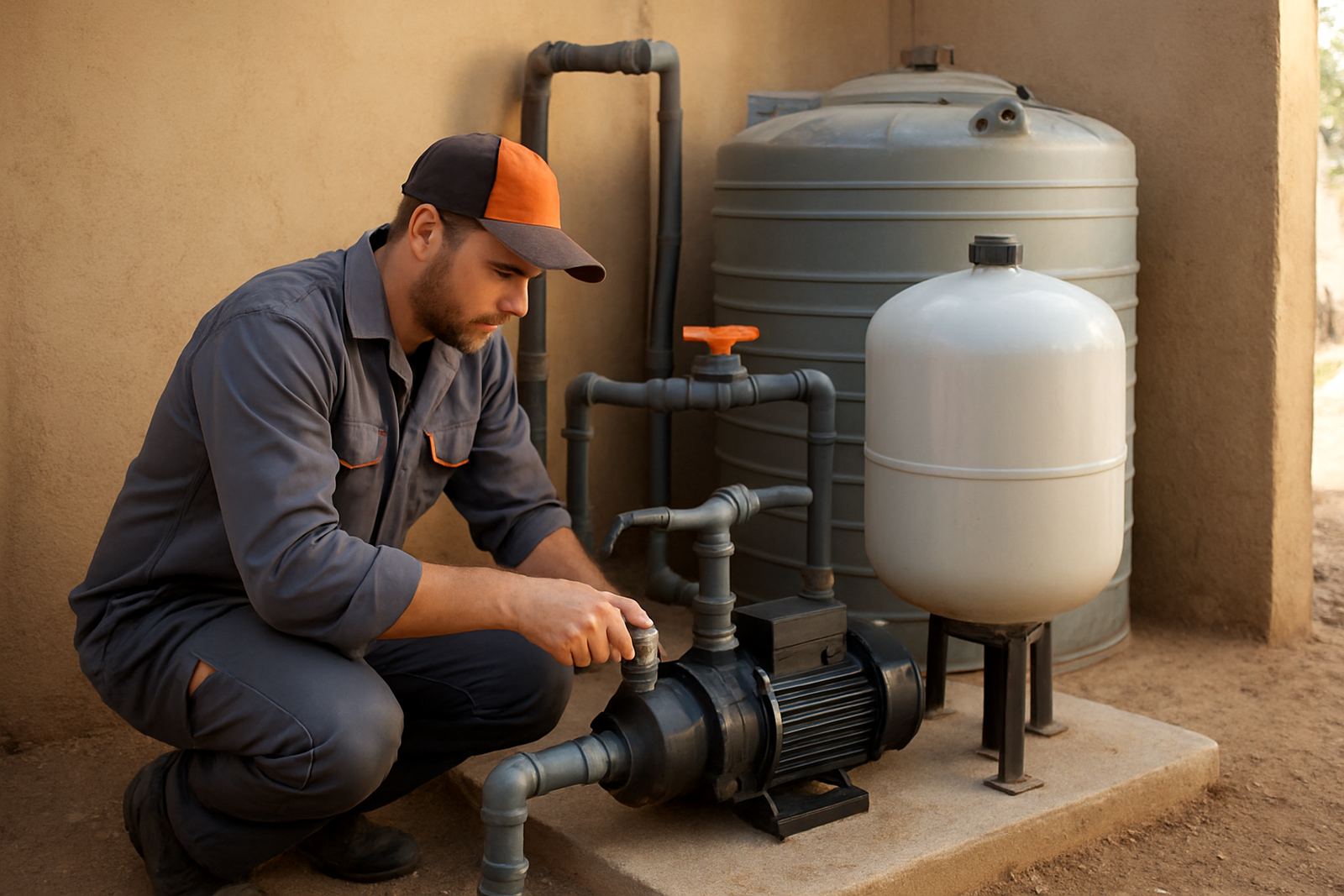
Pressure sets are used where taps, geysers, showers and irrigation points need a constant flow without the stop-start feel that comes from an undersized system. We supply and install complete sets for domestic stands, lodges, workshops and small commercial buildings in New Park, Roodepan, Galeshewe, Kuruman and Upington.
Typical supply includes a pump, pressure vessel, pressure switch or controller, isolator, non-return valve and the fittings needed to tie into the existing line. We look at draw-off points, pipe size, lift height and expected daily use so the pump is not too small for peak times or too large for the pipework. In Kimberley, borehole water and pressure changes can be tough on equipment so the setup needs correct protection from dry running and air leaks.
Transfer Pumps For Tanks, Sumps And Bulk Water Movement
Transfer pumps move water from one point to another, such as from a holding tank to a header tank, or from a reservoir into a process line. We install surface pumps and submersible units for tank filling, wash bays, small irrigation systems and backup water arrangements where load-shedding or outages interrupt supply.
The installation process includes pipe routing, suction line checks, priming arrangements, discharge control and electrical connections. If the application is dusty, hot or exposed to wind we allow for extra protection around the motor and control gear. On farms and sites outside town, we also account for long cable runs and voltage drop so the motor starts properly and does not strain.
- Single and three-phase options available
- Flow rate and head matched to tank height and distance
- Float switches or level controls can be added where needed
Borehole Equipment Set-Up And Commissioning
Borehole systems need more than a pump dropped into a hole. We help with the selection and installation of submersible pumps, drop pipe, safety rope, cable, control box, pressure system and water line connections. If the borehole already exists, we check the borehole depth, expected yield and static water level before recommending equipment.
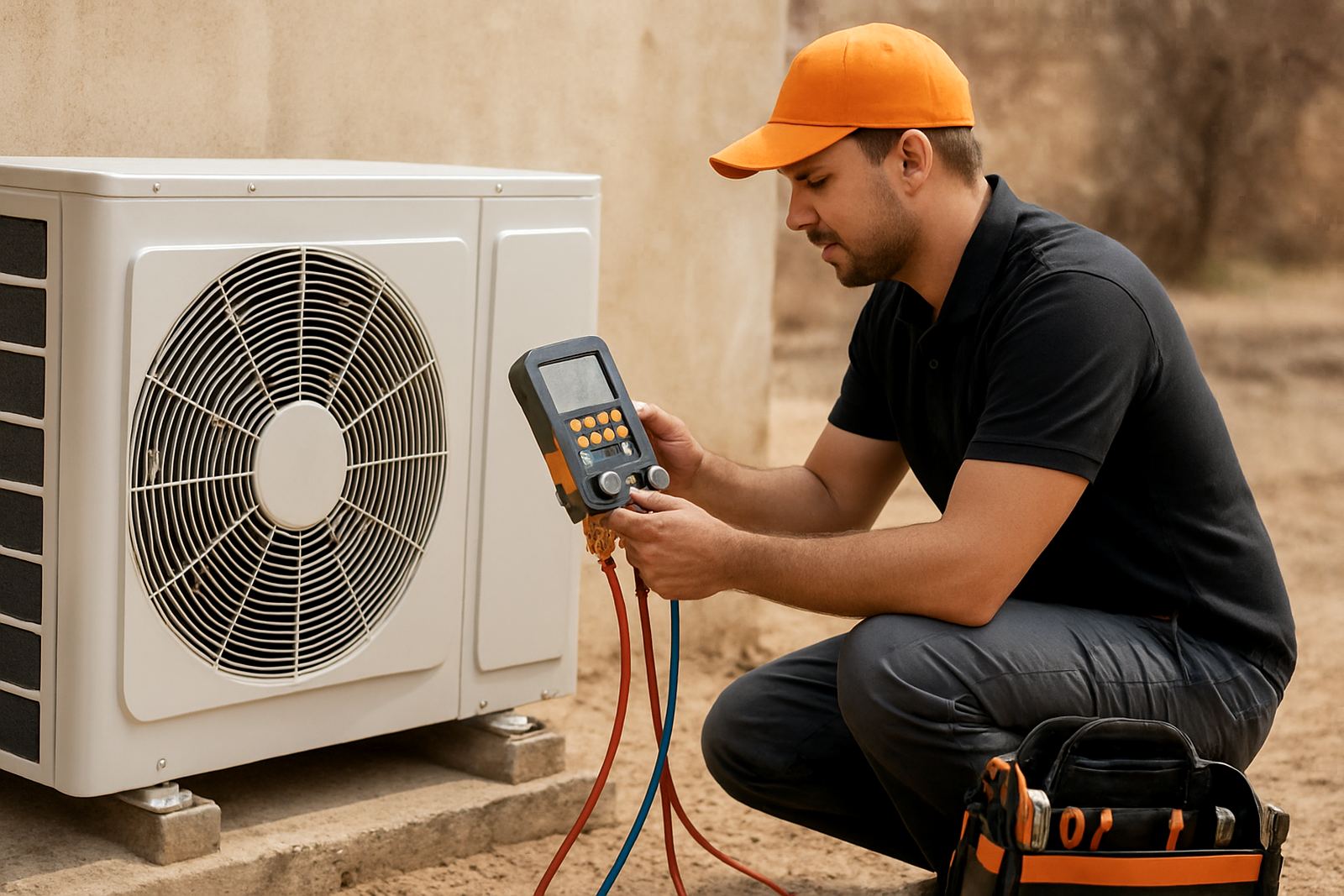
Commissioning includes testing amperage, pressure, flow and start-up behaviour, then checking for cavitation, air ingress and incorrect rotation on three-phase motors. Where the borehole feeds storage tanks, we can install level control and dry-run protection to reduce damage if the water table drops. That matters in dry Northern Cape conditions, where supply can change between seasons and repairs are often more expensive than doing the first install properly.
What The Installation Visit Includes
Most pump installations follow the same practical sequence. First we inspect the site, confirm the water source and take measurements. Then we confirm the duty required, whether that is light domestic pressure, higher demand for a small lodge, or transfer work for storage tanks and plant use. After that we prepare the materials, fit the pump and controls, and test the system under working load.
- Site inspection and pump sizing advice
- Supply of pump, fittings and control gear where required
- Pipework, electrical connection and mounting
- Pressure testing and leak checks
- Handover notes with maintenance advice
We keep the process straightforward because many customers need the water back quickly. If the site is in Kimberley or nearby we can often arrange same-week attendance depending on stock and job size. Larger projects, special cable runs or borehole work may take longer, especially when the trenching or tank work must be done separately.
Turnaround Times And Pricing Approach
Turnaround depends on the type of pump and how much site preparation is needed. A straight replacement on an existing pressure line may be completed quickly, while a new borehole install or full transfer system can involve more time for pipework, wiring and testing. We do not guess at the job over the phone if the site details are unclear, because that usually leads to the wrong pump and extra costs later.
Pricing is based on the pump duty, parts required, cable length, fittings, labour and any travel outside Kimberley. For customers in Kuruman, Upington and outlying farms, transport and access can affect the final price. We quote the work clearly so you know whether the price includes supply only, installation only, or a full supply-and-fit package. If a repair is more sensible than a full replacement, we say so.
Maintenance Intervals That Keep Systems Going
Pumps last longer when the system is checked before small issues become failures. For most pressure sets we suggest a basic inspection every 6 to 12 months, with earlier checks if the pump starts short cycling, loses pressure or makes unusual noise. Borehole and transfer systems that run daily may need closer attention, especially where dust, heat and unstable power are part of the working environment.
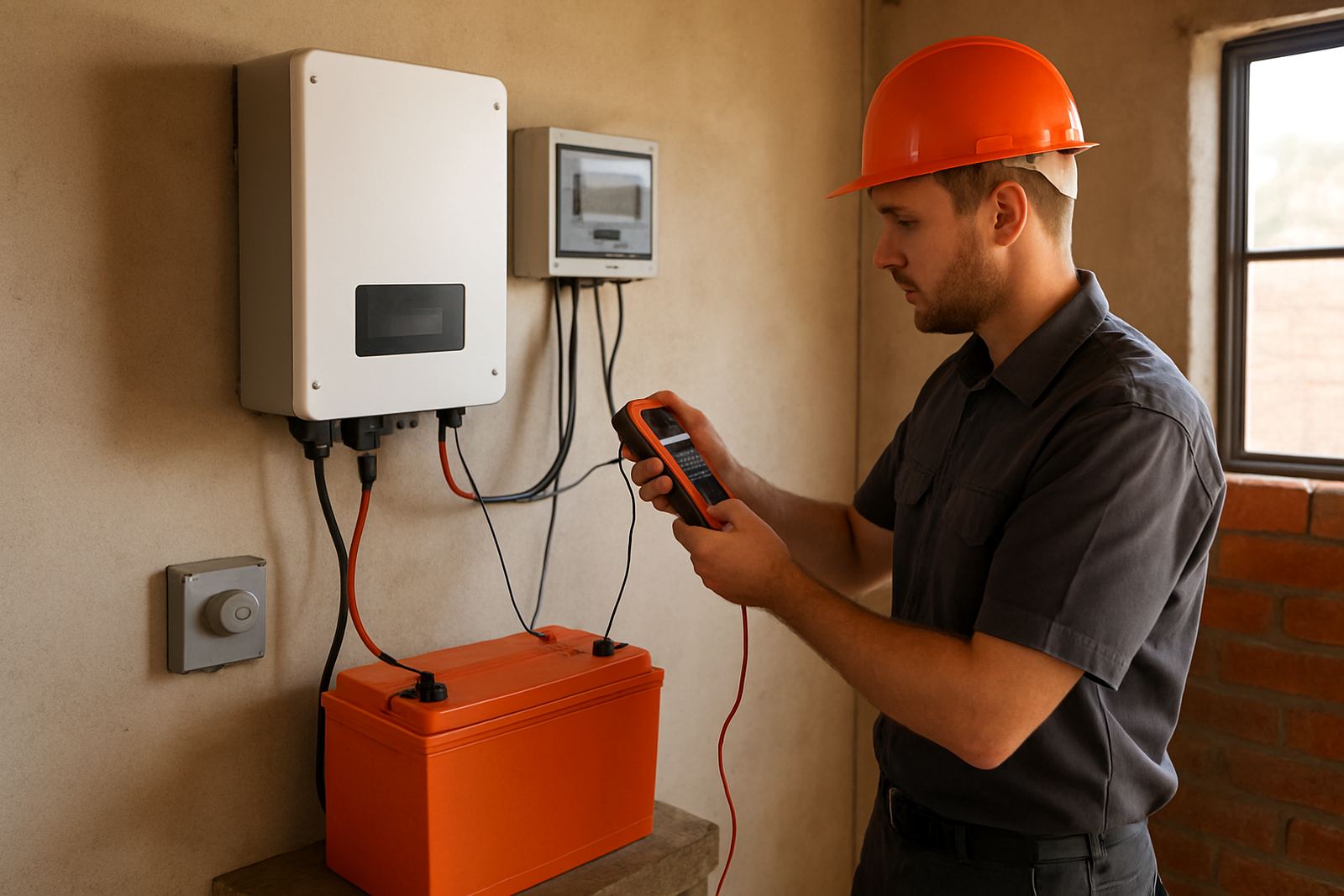
During maintenance we look at pressure vessel charge, leaks, seals, cable condition, float switches, strainers and motor current draw. If the system is on backup power or solar, we also confirm the start current is within the inverter or supply limits. A simple service now can save the cost of a dry motor later, and in a town with hard water or sandy conditions that is usually money well spent.
Key facts
| Pump types | Pressure sets, transfer pumps and borehole pumps |
|---|---|
| Typical pressure range | 2.0 to 5.0 bar, subject to system design |
| Power options | 220 V single-phase and 380 V three-phase |
| Common flow rates | 30 to 200 litres per minute |
| Pipe sizes | 20 mm to 50 mm depending on duty |
| Service area | Kimberley, New Park, Roodepan, Galeshewe, Kuruman and Upington |