What commissioning support covers on site
Commissioning is the last step before a new system goes into service. For air-conditioning, refrigeration, ventilation, pumps and solar backup equipment, it is the point where we confirm that the installation matches the job card, the wiring is correct, the pipework is sound and the equipment starts up within spec. That matters in Kimberley where summer heat, dusty conditions and load-shedding can expose weak points fast.
Our team works from New Park and supports sites in Roodepan, Galeshewe, Kuruman, Upington and surrounding areas. We assist with newly installed split units, ducted systems, cold rooms, extract systems, borehole and booster pumps, inverter-backed power systems and auto aircon equipment. If the system was installed by us or by another contractor, we can still step in for startup checks and handover support.
- Pre-start inspection of indoor and outdoor equipment
- Electrical checks, isolators and protection devices
- Pipe pressure testing and leak checks where applicable
- Control settings, temperature setpoints and sensor checks
- Basic performance readings and operating notes
How we commission a new installation
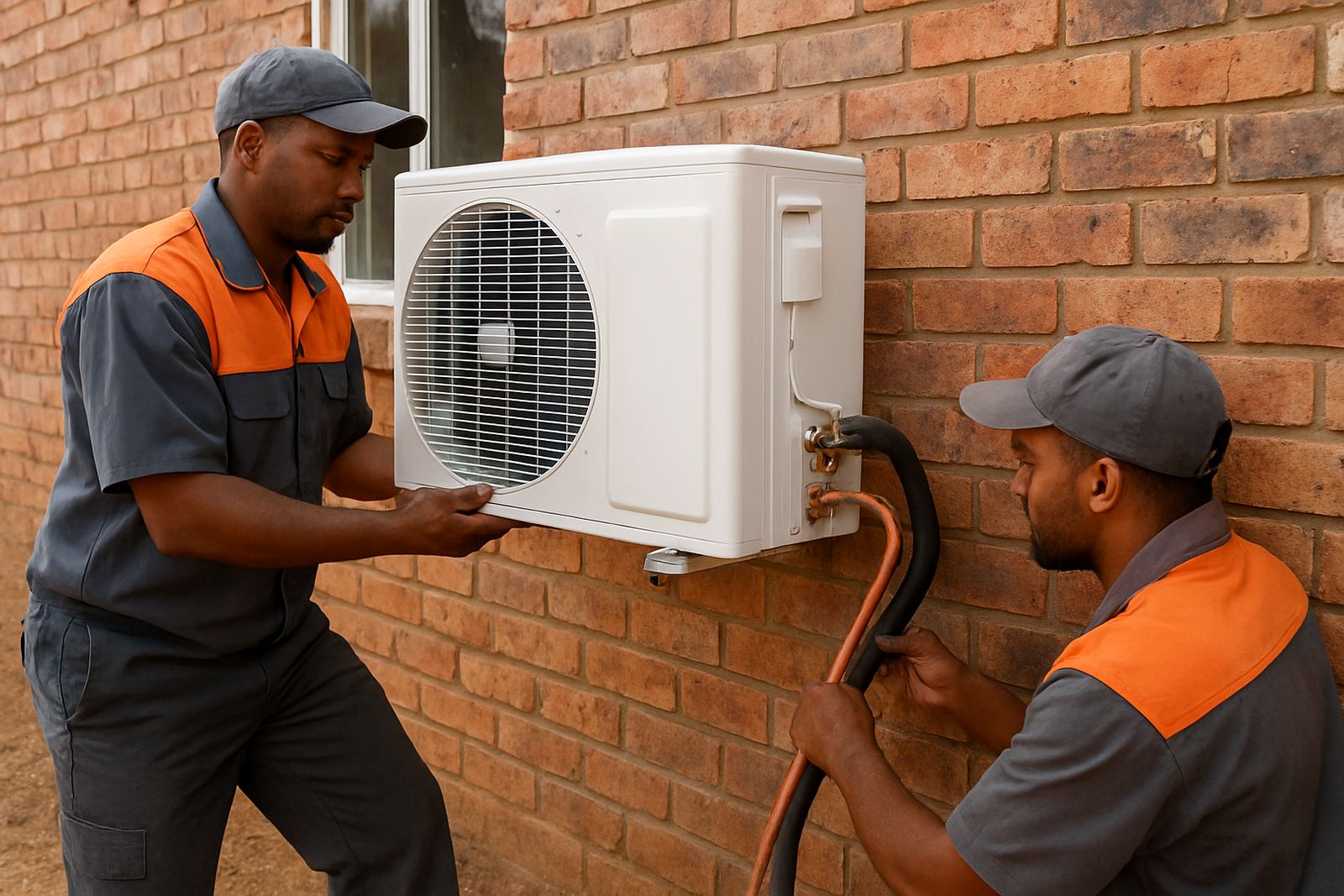
We follow a practical process so nothing important gets missed. First we inspect the physical installation, including mounting, drainage, cabling, pipe runs, insulation and clearances around the unit. Next we confirm that the power supply is suitable, from single-phase 230 V units through to 3-phase equipment and backup power systems. We also verify that fans, pumps, compressors, valves and controllers are responding as they should.
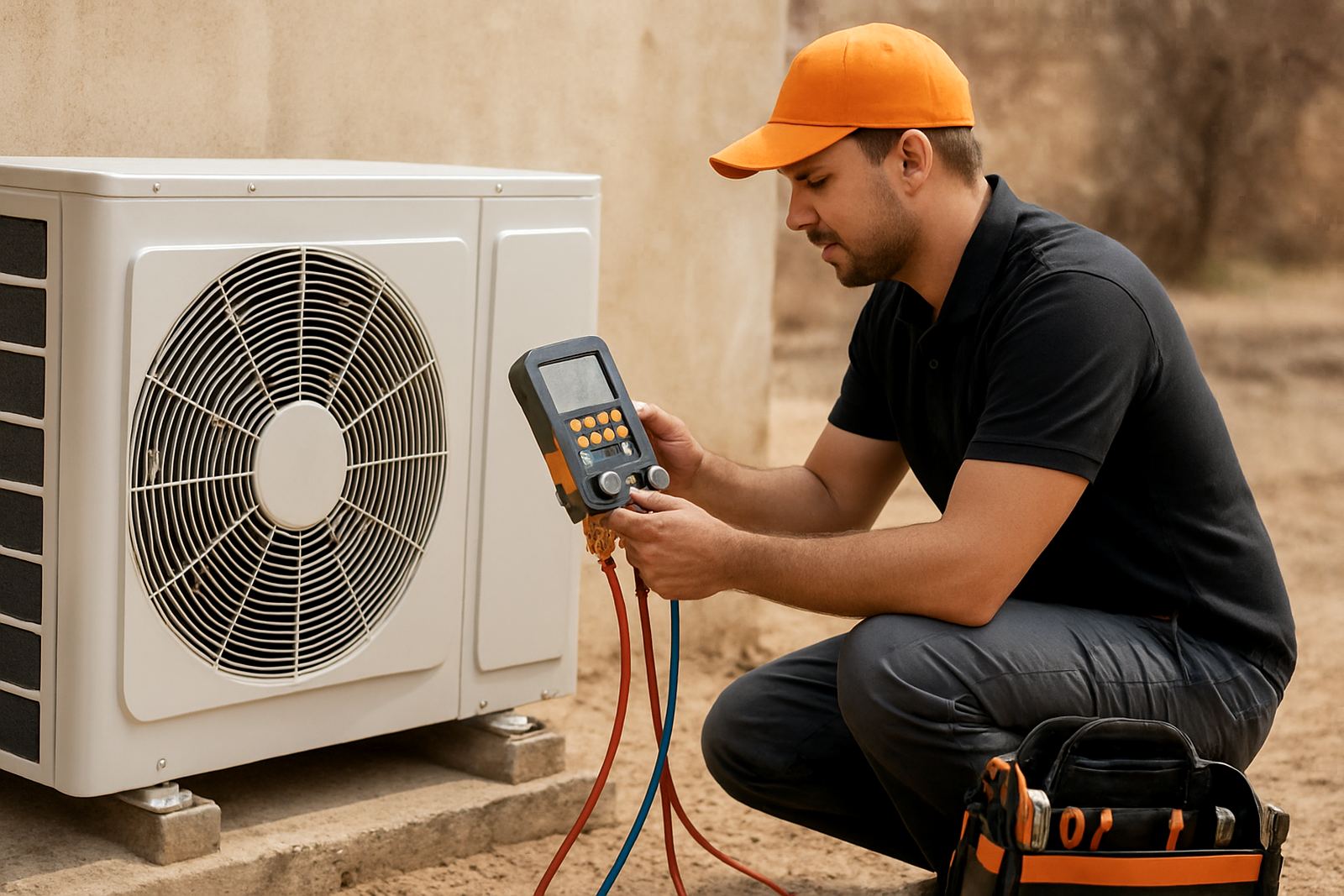
Once the system is energised, we monitor start-up closely. That includes checking current draw, supply voltage, temperature pull-down, airflow, refrigerant line behaviour and any fault codes from the control panel. On refrigeration and cold room jobs, we also look at door seals, evaporator operation and defrost settings. On pump and solar work, we test pressure, flow and changeover logic so the client knows what to expect during a power cut. Small adjustments are done there and then, saving repeat call-outs.
- Site walk-through and installation review
- Power-up and functional testing
- Fine-tuning of settings and controls
- Client handover with operating guidance
- Issue list for any follow-up work needed
Systems we commission in Kimberley and beyond
Commissioning support is useful on small business sites, farms, workshops, shops, medical rooms and homes. In the Northern Cape we often see mixed installations where one project includes air-conditioning, a small cold room, a booster pump and solar backup all tied together. That means the start-up sequence needs proper coordination so one system does not overload another or trip the supply.
We commission most equipment in these categories:
- Split, cassette and ducted air-conditioning
- Commercial and domestic refrigeration equipment
- Cold rooms and freezer rooms
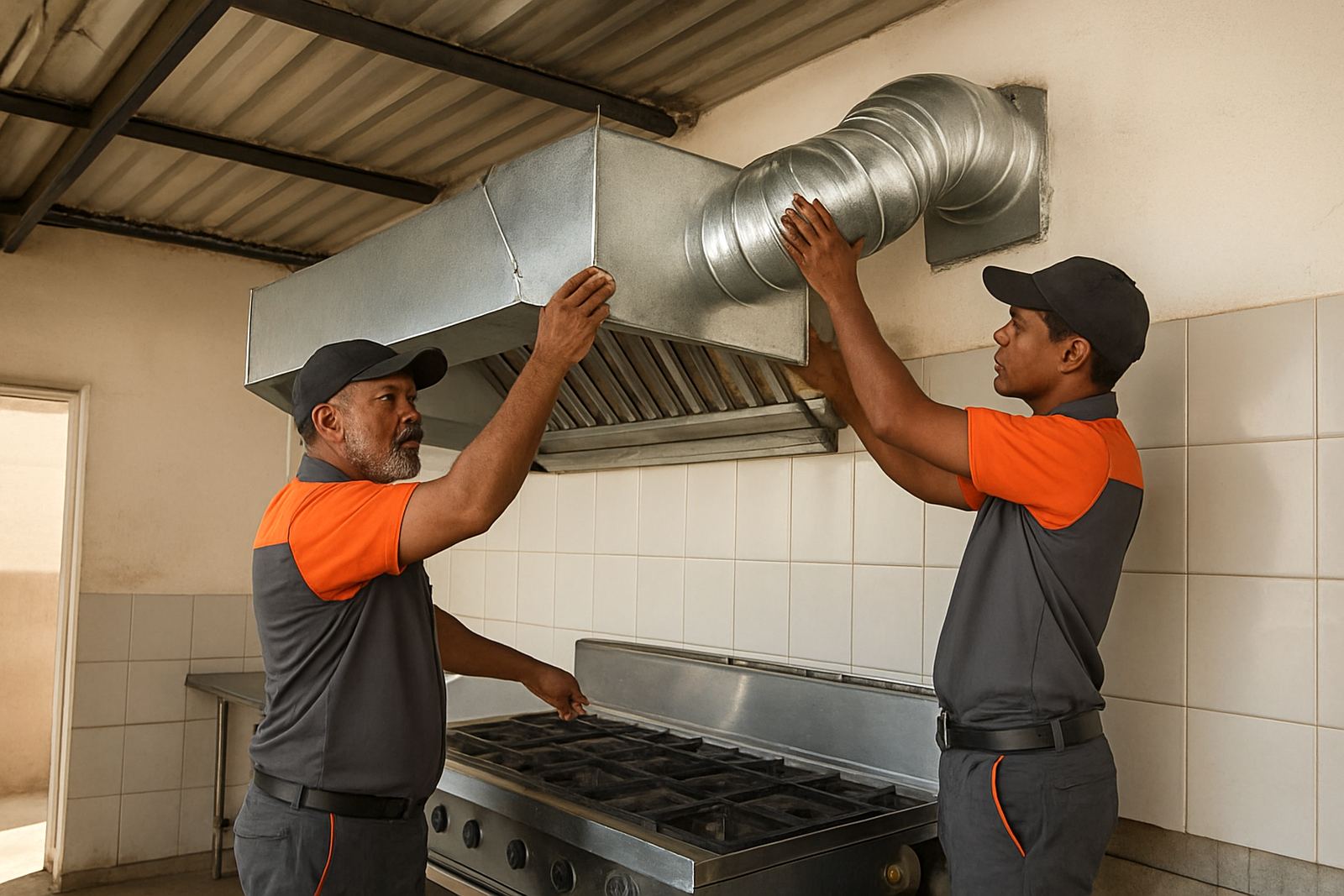
- Extraction and fresh air ventilation systems
- Water pumps, pressure systems and transfer pumps
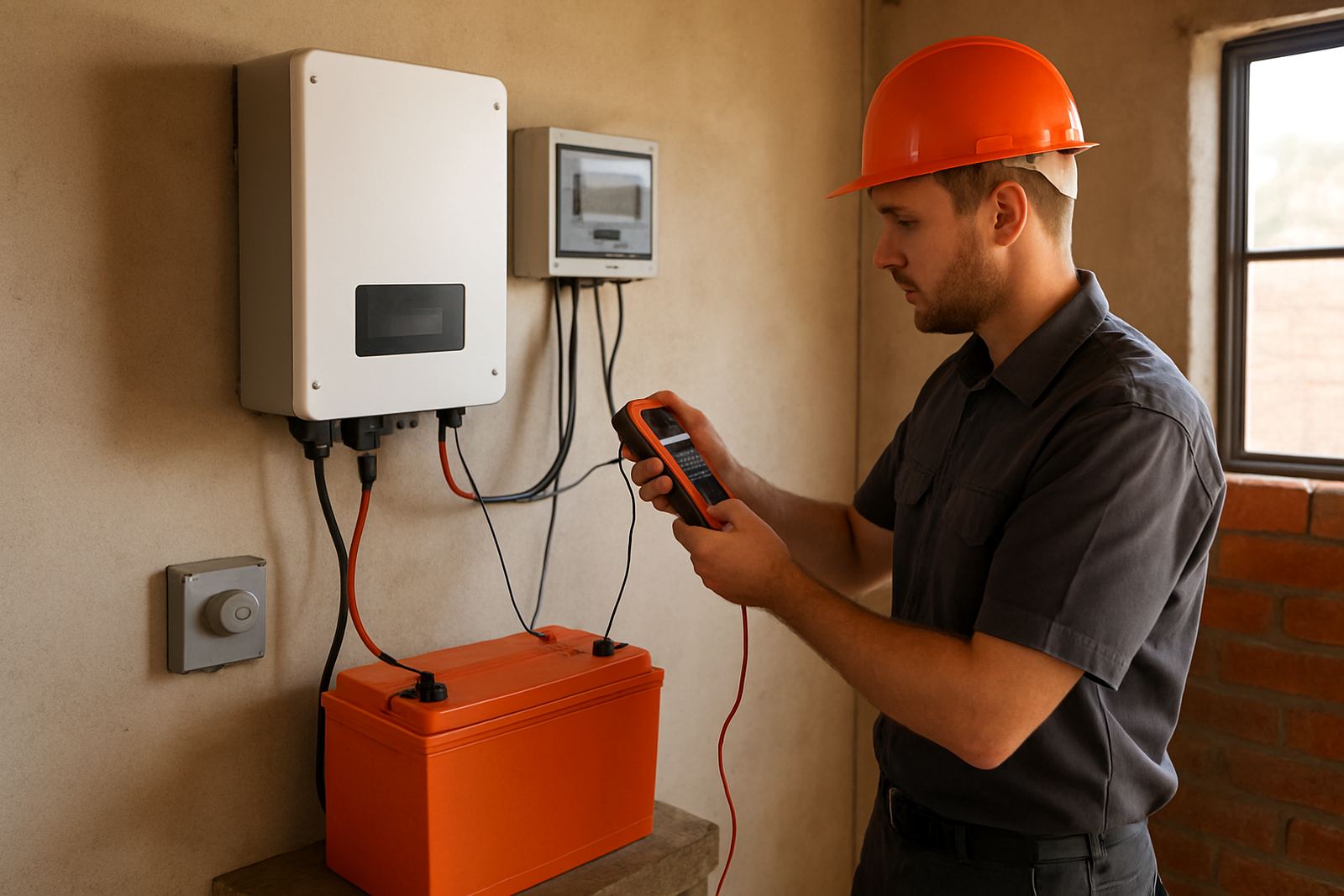
- Solar backup systems for essential loads
- Auto aircon systems after repair or replacement work
Where a job needs special settings, we can work from the installer’s design data or the manufacturer’s operating range. If drawings, wiring schedules or pump curves are available, we use them. If not, we verify the system against the actual load and the site conditions, which is often the safer route anyway.
Turnaround times and the handover process
For straightforward installations in Kimberley, commissioning can often be done on the same day as the final fixings, provided power is available and the system is accessible. More involved projects, such as a cold room with multiple circuits or a solar-backed plant room, may need a return visit once the electrical contractor and builder have completed their work. We keep the process moving by coordinating with the people already on site.
At handover, we explain how to operate the system, what normal readings should look like and which alarms need attention straight away. We also point out maintenance items such as filter cleaning, drain checks, coil washing and battery monitoring where relevant. The handover is not rushed, because a rushed handover leads to avoidable breakdowns later on. Clients often keep our notes on file for their own records and municipal compliance checks where those apply.
- Simple systems: same day where site conditions allow
- Mid-size systems: usually within 1 to 3 working days
- Complex projects: scheduled around other trades and power availability
- Emergency startup support: arranged when critical loads are at risk
Pricing approach and what affects the cost
Commissioning is priced according to the type of equipment, the number of circuits, the travel involved and whether the job needs after-hours support. A small split unit in New Park will not cost the same as a multi-unit refrigeration plant in Upington or a pump and inverter system on a remote site. We quote after we understand the scope, because that gives the client a fairer number up front.
Our pricing usually takes these items into account: site access, installation size, testing time, tools needed, refrigerant checks where applicable, travel distance and any extra call-back needed for final sign-off. If a site is still under construction, or if another contractor needs to finish electrical or plumbing work first, we can phase the pricing around the actual commissioning date. That keeps the quote practical and avoids charging for time nobody can use yet.
We do not guess on start-up work. If the system needs extra testing, we will say so before proceeding. If a part is missing, damaged or wired incorrectly, we document it and advise on the next step rather than forcing a start-up that could cause damage.
Maintenance intervals after startup
Commissioning is only the beginning. To keep a system performing properly in Northern Cape conditions, the first service should normally follow after the initial run-in period, then at regular intervals depending on the load and environment. Dust, high daytime temperatures and power interruptions can all affect how often a system needs attention. Coastal humidity is less of a factor here, but dusty filters and heat stress are a constant issue.
As a guide, air-conditioning filters should be checked monthly in heavy-use sites and every 2 to 3 months in lighter-use properties. Refrigeration systems and cold rooms should be reviewed at least quarterly, with door seals, thermostats and defrost functions checked each visit. Pumps and solar backup systems should be inspected after the first few weeks of operation, then again every 6 months or sooner if the load is high. If a client wants us to, we can set up a basic service cycle from the start so the system stays within spec without guesswork.
- Air-conditioning: monthly to quarterly checks
- Refrigeration and cold rooms: quarterly checks
- Pumps and pressure systems: 6-monthly checks
- Solar backup and inverter systems: 6-monthly checks, or after major power events
Key facts
| Area | Kimberley, Northern Cape |
|---|---|
| Base | New Park, Kimberley |
| Service scope | HVAC, refrigeration, pumps, solar and auto aircon |
| Typical power | 230 V single-phase and 400 V 3-phase |
| Support type | Startup checks, testing, settings, handover |
| Contact | info@modernequipment.co.za |