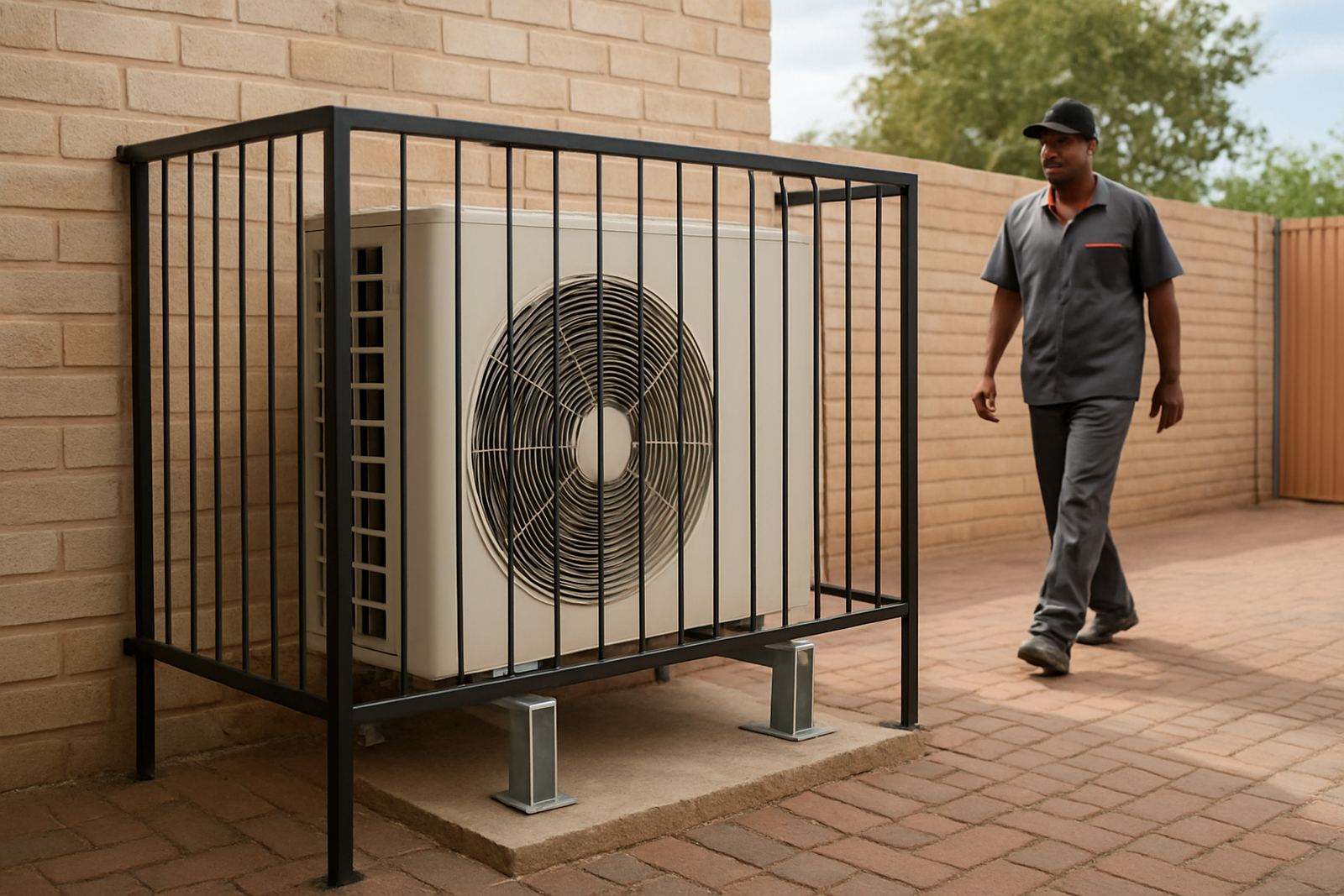
Why reverse-cycle splits make sense in Kimberley winters
Kimberley does not stay cold all day in winter, but the mornings can bite. In a lounge, office, or small retail space, a reverse-cycle split system gives you controlled heat without having to drag out gas bottles or run noisy heaters all morning. It works by moving heat rather than making it from scratch, which is why it usually uses less power than older heating methods.
That matters when load-shedding, low supply capacity, and rising electricity costs are part of normal life. A split system can warm the room you are actually using, instead of heating the whole building. For families in New Park, a small office in Roodepan, or a shop in Galeshewe, that practical approach often makes more sense than oversized equipment.
What a split system does on heating mode
In summer, the indoor unit pulls warm air out of the room. In winter, the cycle reverses and the system brings usable heat into the room from outside air. Even when it feels cold outdoors, there is still enough heat energy in the air for the unit to work. Modern systems are designed for this, and many will keep running steadily on frosty mornings if they are sized and maintained properly.
The real difference is speed and control. You can set a target temperature and let the unit cycle rather than blasting heat all the time. That helps keep conditions comfortable in a bedroom before sunrise, or in a meeting room where people arrive with jackets on and expect the place to warm up quickly.
- Best for single rooms, offices, and small open areas
- Useful where you need quick morning heating
- More practical than a portable heater for daily use
Getting the size right before the first cold front
A split system that is too small will run flat out and still leave the room chilly. One that is too large may warm the air quickly but cycle too often, which wastes power and can leave the room feeling uneven. Room size, ceiling height, glass area, insulation, and sun exposure all matter. In a Northern Cape home with thin walls and a west-facing lounge, the heat loss can be very different from a newer office with decent insulation.
A good installer should look at the actual room, not just guess from the floor area. If the unit is being fitted in a property that also sees high afternoon sun, the heating and cooling load needs to be considered together. That saves you from buying equipment that only performs well for half the year.
- Small bedroom or office: check for enough capacity to handle early morning chill
- Open-plan living area: allow for glass, drafts, and high ceilings
- Corner rooms: expect more heat loss on the shaded side
Simple habits that improve winter comfort
Most complaints about poor heating start with the settings, not the machine. On a split system, the fan speed, temperature setpoint, and timer all make a difference. In winter, setting the temperature too high can make the unit work harder without actually making the room nicer. For many rooms, a steady mid-range setting is enough once the space has warmed up.
Keep doors and windows closed while the unit is heating. It sounds obvious, but in practice it is one of the main reasons a room never quite feels warm. Close curtains at night, especially on glass doors and north-facing windows, and clear furniture away from the indoor unit so the air can move freely. A clean filter also helps the system warm the room faster, because restricted airflow makes everything sluggish.
- Use a timer so the room starts warming before people wake up
- Set the fan to suit the room, not just the loudest setting
- Check filters every few weeks during winter
- Keep doors, gaps and open windows under control
What to watch for on cold mornings
When a system struggles in winter, the signs are usually easy to spot. The air may feel lukewarm, the unit may take too long to change the room temperature, or the indoor fan may blow but not shift much heat. Sometimes the outdoor unit has a build-up of dirt or dust, which is common in the Northern Cape. Sometimes the system is low on refrigerant, or a sensor is out of range and the unit is not reading the room correctly.
It is also worth remembering that very cheap portable heaters can trip circuits or overload extension leads. A split system, installed properly and serviced on time, is usually a steadier option for daily use. If the unit is making unusual noises, icing up, or short-cycling, get it checked before the next cold snap turns into a breakdown.
A Kimberley example from a real winter routine
Picture a small office in New Park. The staff arrive just before 07:30, and the room is still cold from the night. Instead of waiting for the sun to heat the building, they switch on the split system on a timer about 30 minutes earlier. The office is comfortable by the time the first client walks in, and nobody has to sit under a bar heater with numb hands.
That same approach works in homes too. In Galeshewe, a family might use one unit in the lounge during the early morning and evening, then turn it down once the room holds its temperature. The key is not overcomplicating it. A well-sized split system, serviced properly, can cover the cold spell without fuss. It just needs the right setup and a bit of attention.
When to ask for service, repair, or a better install
If your split system has been doing heating duty for a few winters already, the change in performance may be down to wear rather than the weather. Dirty coils, blocked filters, weak electrical connections, and poor installation can all affect heating output. In some cases a quick service is enough. In others, the issue is a mounting location that lets cold air swirl in too much, or a unit that was never matched properly to the room.
For shops, offices, and homes around Kuruman, Upington, and Kimberley, it is worth planning before winter starts. That gives you time to test the system, fix what is needed, and make sure the unit is ready for the first cold morning. A good heating setup is not only about comfort, it also keeps staff working properly and keeps customers from walking into a room that feels neglected.