When pressure falls, start with the simple checks
Low pressure is not always a sign that the pump is failing. Many calls in New Park, Roodepan and Galeshewe come down to basic issues that can be checked before any parts are replaced. If the tap flow has slowed gradually, look at the whole system and not only the pump itself.
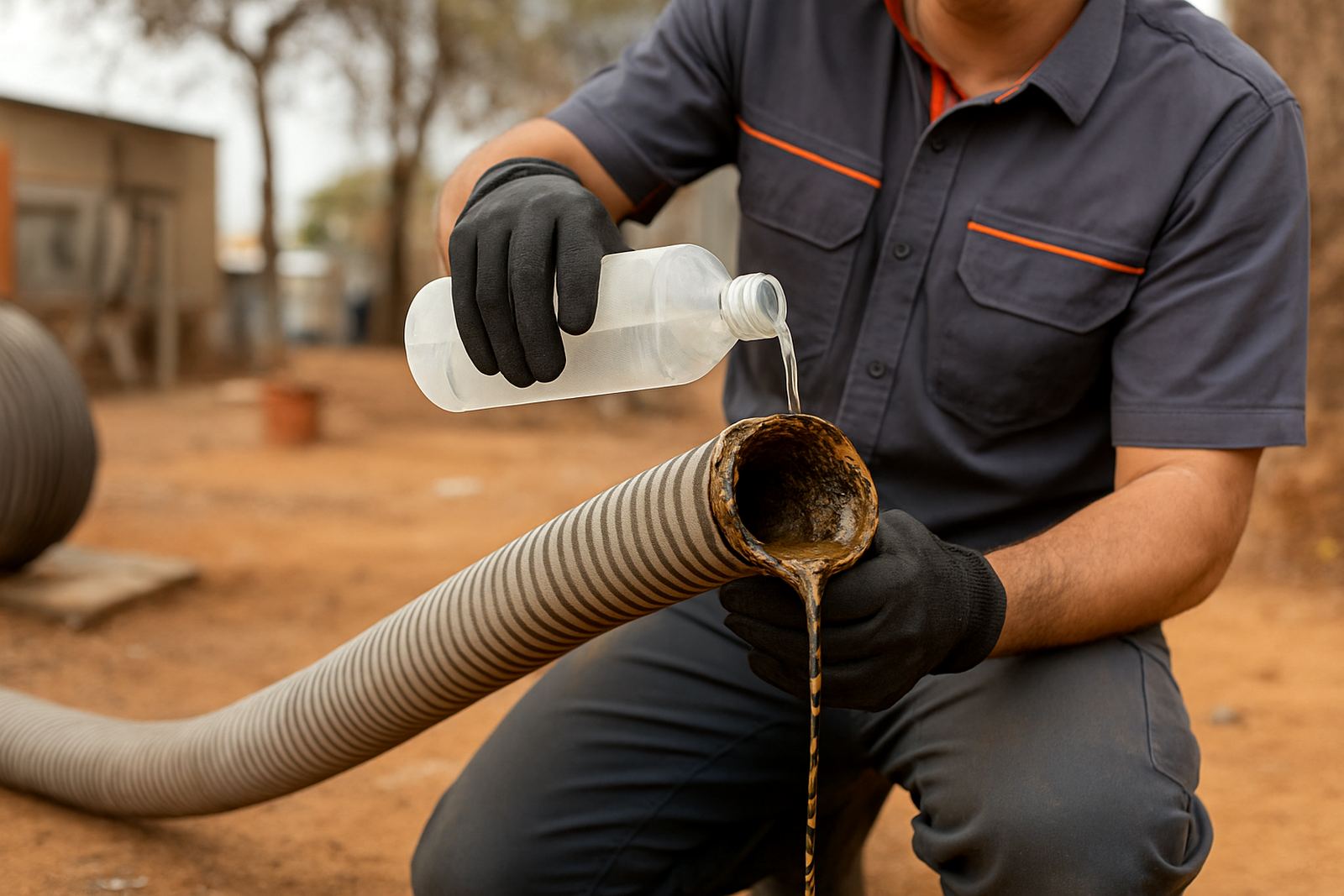
Start at the source. Check whether the tank has enough water, whether valves are fully open and whether any strainers or filters are dirty. On borehole and farm systems, a blocked suction line or a foot valve that is not sealing can cause the pump to lose prime and pressure will drop fast.
- Low water level in the storage tank or dam
- Partly closed valves on the suction or delivery side
- Blocked filters, strainers or pressure switches
- Air entering the suction line through loose fittings
Leaks that hide underground or behind walls
A small leak can waste a lot of water and reduce pressure through the whole house. In town properties the leak may be under a paved yard, behind a geyser, or in a pipe run that nobody sees until the water bill climbs. On farms the issue can be even harder to catch because lines run over long distances and a split pipe can stay hidden for days.
If the pump switches on and off often, or runs longer than usual, that is a clue. The system may be losing water faster than it can recover. Listen for hissing, look for wet soil patches and check any pressure tank for signs of constant cycling. A leak near the pump can also let air into the line and cause the pressure to pulse, which is a common complaint after load-shedding when a system restarts.
Pump wear, impeller damage and motor trouble
As pumps age, internal parts wear out. The impeller can erode from sand or sediment, seals can leak and bearings can become noisy. When this happens the pump may still run, but it no longer builds the same pressure or flow. In the Northern Cape, borehole water with fine grit is a common reason for early wear if filtration is poor.
Electrical problems can look like a water problem. A motor that is getting weak, a capacitor that is failing, or incorrect voltage after a power cut can all leave the pump turning but not performing properly. If the motor sounds strained, trips the breaker or gets hotter than normal, stop and have it checked before it burns out completely.
- Reduced pressure even with full water supply
- Grinding, rattling or humming from the pump
- Frequent breaker trips or overload faults
- Rust, sand or black particles in the water
Pressure tanks and switches need correct settings
Many households use a pressure tank to keep the water supply steady. If the air charge in the tank is wrong, the pump cycles too often and pressure becomes uneven. The system may feel strong for a moment, then drop off quickly when more than one tap is opened.
The pressure switch also matters. If the cut-in and cut-out settings are not matched to the pump and plumbing, you can get short cycling, water hammer or weak flow. This is one of those jobs where changing the setting by guesswork can make matters worse. It is better to test the system properly and set it to suit the installation, especially on farm houses with long pipe runs.
Pipe size, distance and high demand can starve the system
Sometimes the pump is working, but the system around it was never sized for the demand. A house with extra bathrooms, a laundry and garden irrigation can use more water than the original pipework was planned for. Long delivery lines also lose pressure over distance, especially if the pipe is narrow or has too many bends.
In areas like Kuruman and Upington, where some properties rely on storage tanks and pumping to reach outbuildings, the layout can make a big difference. Adding a second tap point, a hose, or a pressure cleaner may expose an existing weakness. The same applies on smallholdings where stock watering and household use happen at the same time.
- Pipes that are too narrow for the flow required
- Long runs with too many elbows or tees
- Multiple taps or appliances used at once
- Old galvanised pipes narrowed by scale and rust
Local example from a Kimberley yard
A family in New Park reported that their kitchen tap and shower had gone weak after a few weeks of normal use. The pump was still running, but it took much longer to refill the tank and the pressure kept dropping in the evening. The first thought was a failing pump, but the real problem was a hidden leak near an old garden line and a clogged strainer at the same time.
Once the leak was repaired and the strainer cleaned, the system returned to normal. It is a good reminder that pressure loss usually has more than one cause. In our climate, with dusty yards, hard water and power interruptions, a small fault can turn into a bigger one if it is left too long.
What to check before calling for pump repairs
If you want to save time when asking for help, gather a few facts first. Note when the pressure drops, whether the pump still primes, and if the fault happens at one tap or every outlet. Also check if the problem started after a power cut, plumbing change or water outage.
Use this quick checklist before a technician arrives:
- Confirm water level in tanks, reservoirs or borehole supply
- Check for visible leaks, damp patches and dripping valves
- Clean filters and strainers where safe to do so
- Listen for air in the line, unusual noise or repeated cycling
- Look at breaker trips, overheating and pressure switch behaviour
A proper diagnosis saves money because it avoids changing good parts. Whether it is a home in Galeshewe or a farm outside Kimberley, the aim is the same, steady pressure, less waste and a system that can cope with daily use.