Why heatwave prep starts before the first hot week
By the time a heatwave lands, technicians are often already booked out and small faults become big ones. A split system that was only "a bit weak" in winter can struggle to hold 24°C when the afternoon reaches the high 30s, and a refrigeration unit working harder than usual may start cycling too often or icing up. In a town like Kimberley, where dry heat can arrive hard and fast, the best time to prepare is while the weather still feels manageable.
For homes, that means checking whether bedrooms, living areas and backup rooms are getting enough airflow. For businesses, it means looking at customer areas, offices, stock rooms and plant spaces as one system. If one part is starved of airflow or running with dirty filters, the whole setup pays for it later. A little attention now can save lost stock, uncomfortable staff and emergency call-outs during the hottest week of the month.
What to check on aircons before severe heat arrives
Air-conditioning units do not usually fail all at once. They get slower, noisier, or start tripping on warmer afternoons before they give up completely. A pre-heatwave check should focus on the basics first, because that is where most problems begin.
- Clean or replace filters before dust builds up too far.
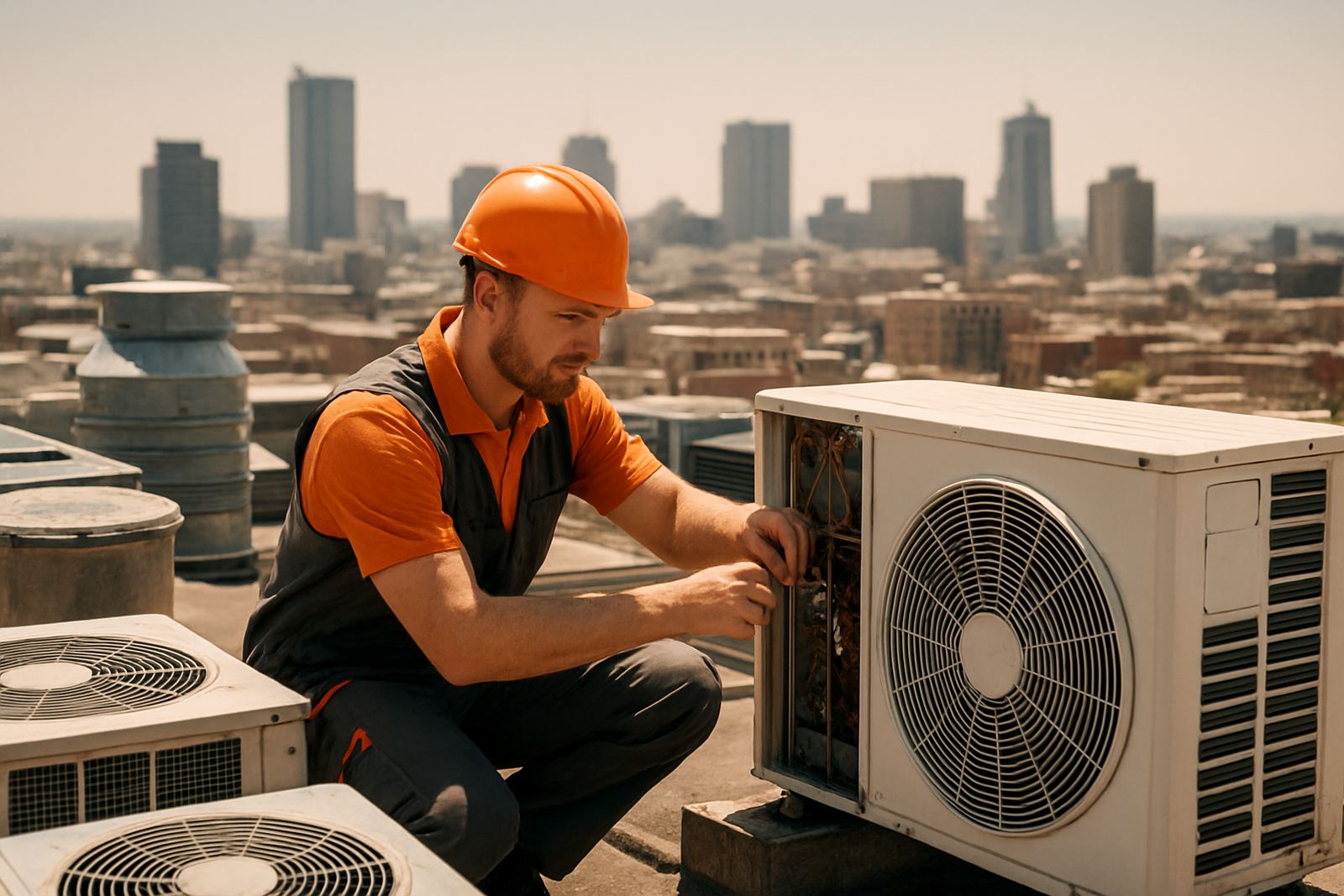
- Check that indoor and outdoor coils are free from dirt, lint and grass cuttings.
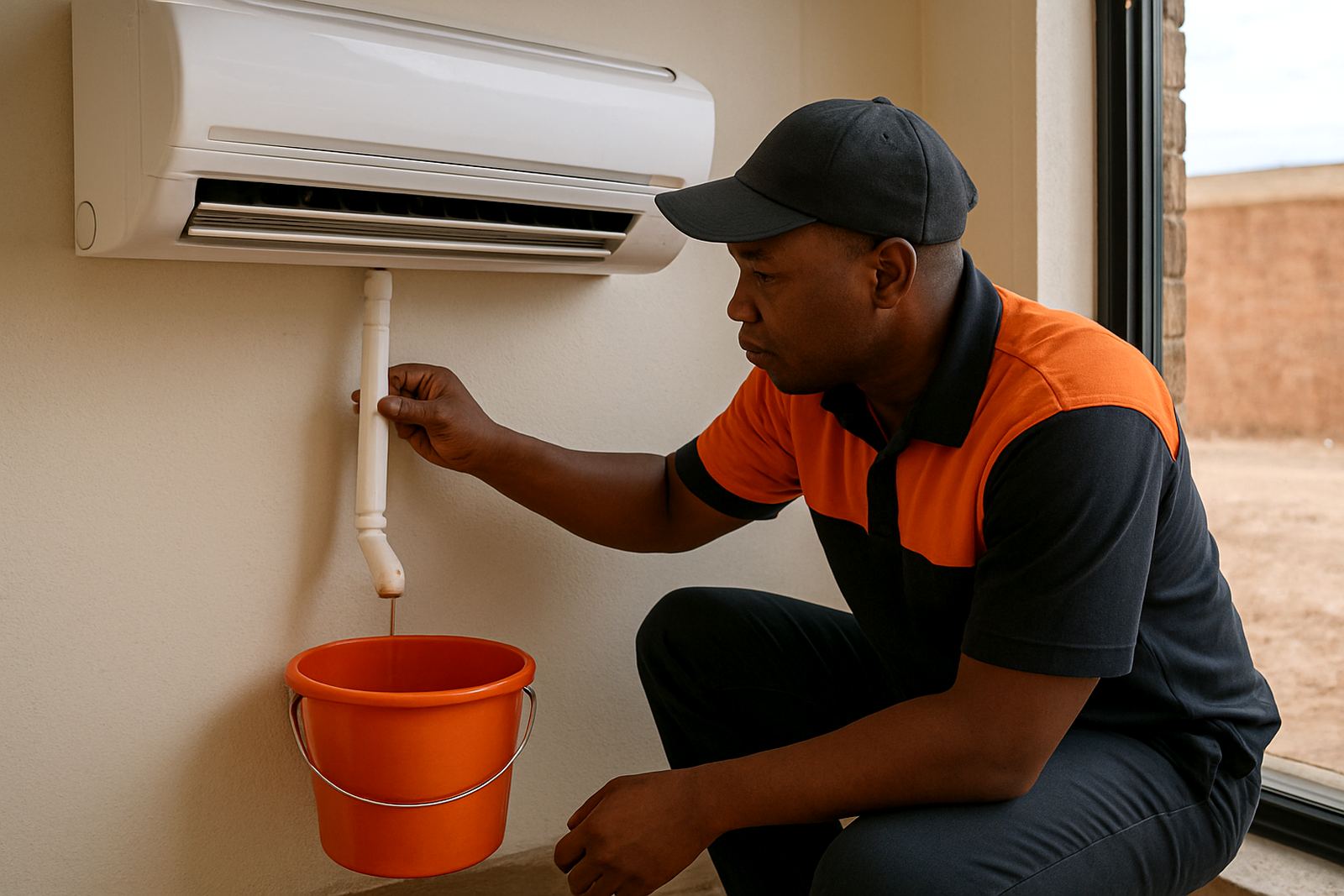
- Make sure drain lines are open so condensate does not back up into ceilings or walls.
- Listen for rattles, scraping or hissing that point to loose parts or gas issues.
- Test the remote, thermostat settings and power supply before peak heat.
- Confirm that outdoor units have enough clear space for air to move around them.
If a unit is taking longer to cool than it used to, do not wait for a complete breakdown. That delay usually means the system is either low on gas, short of airflow or pulling too much current. In a heatwave, those small faults can cause a trip at the exact time your family or staff need cooling most.
Keep fridges, cold rooms and stock from falling behind
Heat affects refrigeration as much as comfort cooling. In shops, butcheries, spaza stores, clinics and small warehouses, a warm day puts extra pressure on compressors and on anyone opening doors too often. If a cold room is already borderline, one bad afternoon can push product temperatures above safe levels. That is not only wasteful, it can also create compliance problems and unhappy customers.
Before hot weather sets in, check door seals, fan motors, defrost cycles and the general state of the condenser area. Leave enough room around equipment for heat to escape properly. Where possible, keep stock that generates heat, like lighting transformers or overloaded chargers, away from refrigeration plant. In busy premises, simple habits matter too, such as keeping doors shut, reducing unnecessary opening and checking temperature logs more often during peak heat.
- Inspect cold room seals for gaps, cracks or worn edges.
- Clear dust from condenser coils and fan guards.
- Check that internal lights and door heaters are not running longer than needed.
- Move stored goods so airflow is not blocked.
- Review temperature alarms and make sure someone is assigned to respond.
What load-shedding changes in a heatwave plan
Load-shedding turns a hot day into a harder one. When the power drops, cooling systems stop and rooms heat up quickly. When power returns, everything starts again under pressure. That cycle is tough on compressors, control boards and batteries, and it can also affect water pumps that support irrigation, cooling or building services. Planning for heatwaves in South Africa now has to include backup power, not as a luxury but as part of normal operation.
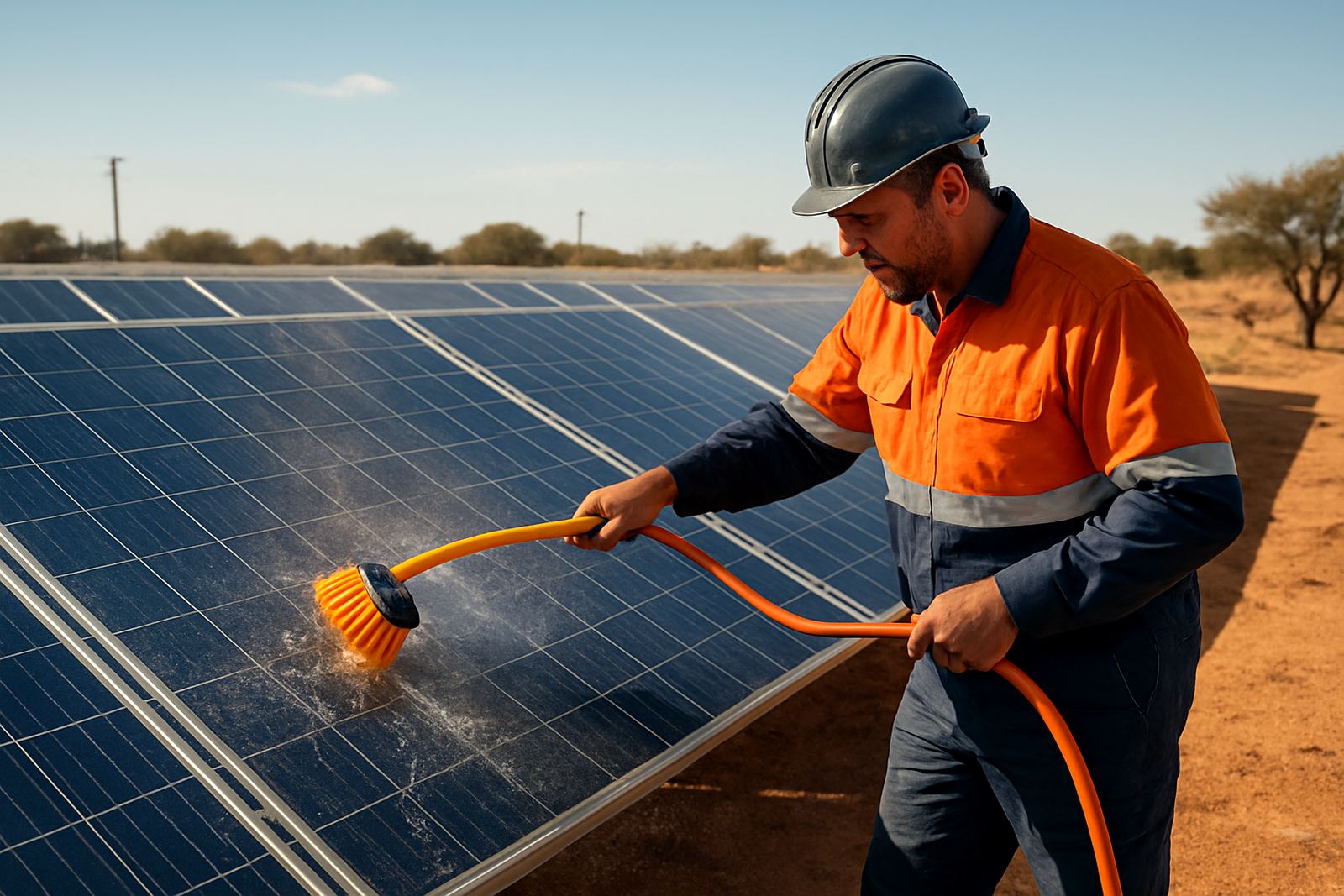
For homes, a small backup system may keep critical rooms, a fridge and a few lights running. For businesses, the question is usually bigger: which circuits must stay live, and for how long? A practical load-shedding plan should include the start-up current of aircons, the running load of refrigeration and the time needed for pumps or controls to recover after an outage. If solar backup is part of the plan, it must be sized for the actual load not only for the wish list. That is where clear commissioning support matters.
Simple steps that help buildings stay cooler
Cooling systems work better when the building itself is not fighting them. A well-sealed room with reasonable shading can stay workable even on a hot afternoon, while a leaky room will keep pulling warm air inside. This is especially useful in Northern Cape homes and small businesses where sun exposure is strong for much of the day. You do not need a big renovation to get some relief, just steady improvements that reduce heat gain.
Start with the easiest jobs first. Close gaps around doors and windows, service blinds or curtains on west-facing rooms, and keep unneeded appliances switched off in the hottest hours. In commercial spaces, ask whether stock or equipment can be moved away from direct sun or from plant rooms that trap heat. If you are planning an installation, think ahead about future access too. A unit installed where no one can reach it safely will be harder to service later, which usually means higher costs and longer downtime.
A Kimberley example: one hot week, many weak points
Think of a New Park workshop that handles refrigeration repairs, aircon jobs and parts sales. On paper, everything may look fine. Then the first serious heatwave arrives. The front office gets too warm by midday, the workshop feels heavier by the hour, a back room fridge works harder than usual and the breaker trips once the afternoon load climbs. Customers waiting for help feel the heat too, and the team spends more time reacting than serving. That kind of week is avoidable with a proper pre-season check.
In a place like Kimberley, where heat can be dry but punishing, timing matters. Service early, before the rush. Check the systems that protect people, stock and production together. If you are in Roodepan, Galeshewe, Kuruman or Upington, the same rule applies: once temperatures rise sharply, the call volume rises with them. A little planning now keeps your systems working when everyone else is scrambling.
For homes and businesses, the message is simple. Do not wait for the first 40°C day to find out that filters are blocked, seals are failing or backup power is undersized. Plan ahead, book the checks and fix the small issues while the pressure is still low. That is how you stay cooler, protect stock and avoid emergency costs when summer turns severe.