Why Northern Cape dust is harder on equipment
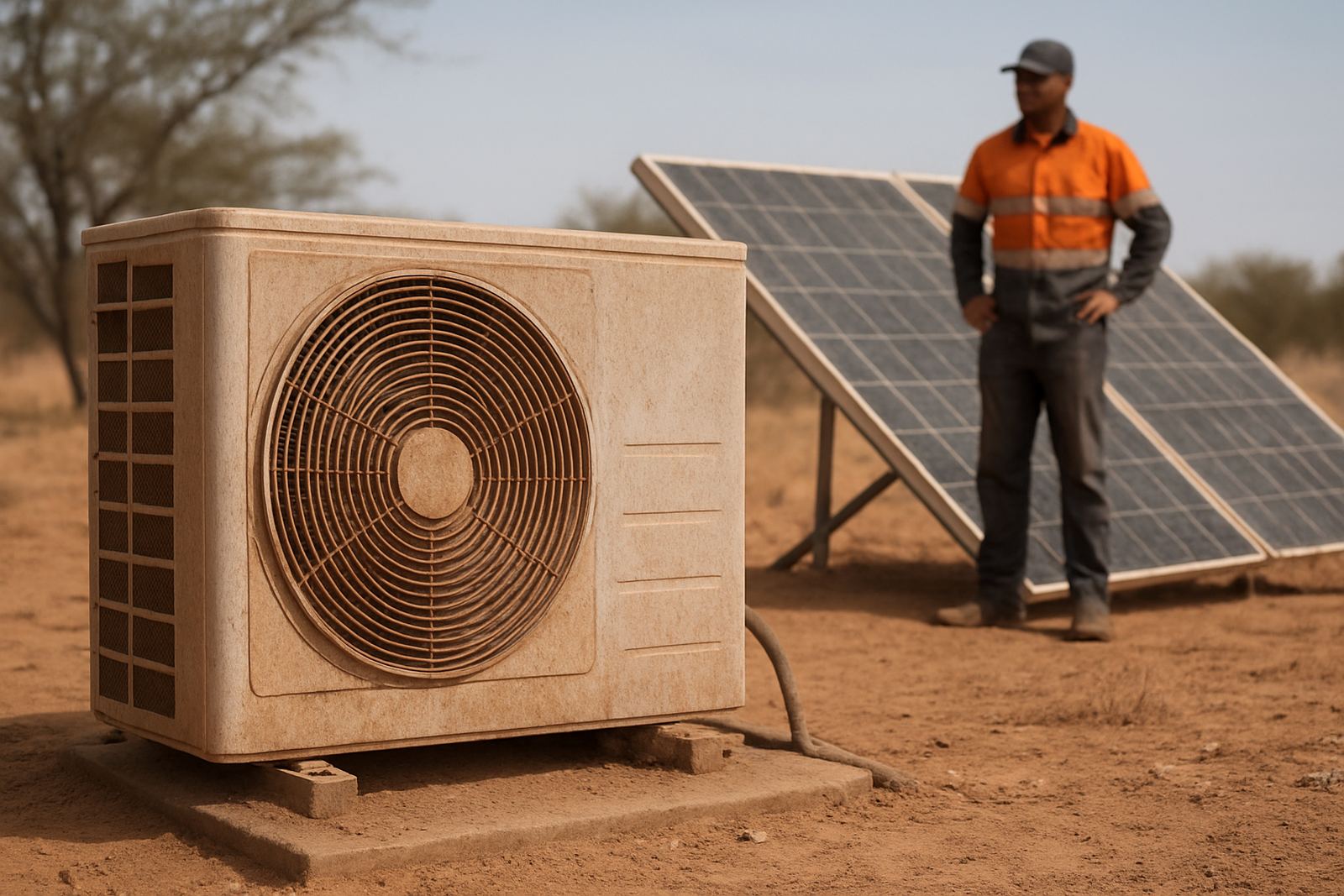
In the Northern Cape, dust is not just a cleaning issue. Fine grit gets pulled into return air paths, settles on condenser coils, builds up on control panels and finds its way into bearings, fans and pump housings. Once that dust layer starts to form, equipment has to work harder to move air, transfer heat or keep pressure where it should be.
That extra strain shows up in power bills, hotter running equipment and more nuisance trips. On a hot afternoon in New Park or Roodepan, a system with dirty airflow can lose capacity fast. Refrigeration plant starts cycling too often, aircons struggle to pull down temperature, and solar backup gear can run warmer than it should because the enclosure is full of fine dust.
The trouble is not always dramatic. Often it begins with a slight rise in temperature, a fan that sounds rough, or filters that block far too quickly. Left alone, that small issue can turn into a failed motor, blocked drain, burnt contactor or compressor stress.
What dust does to air-conditioning and refrigeration
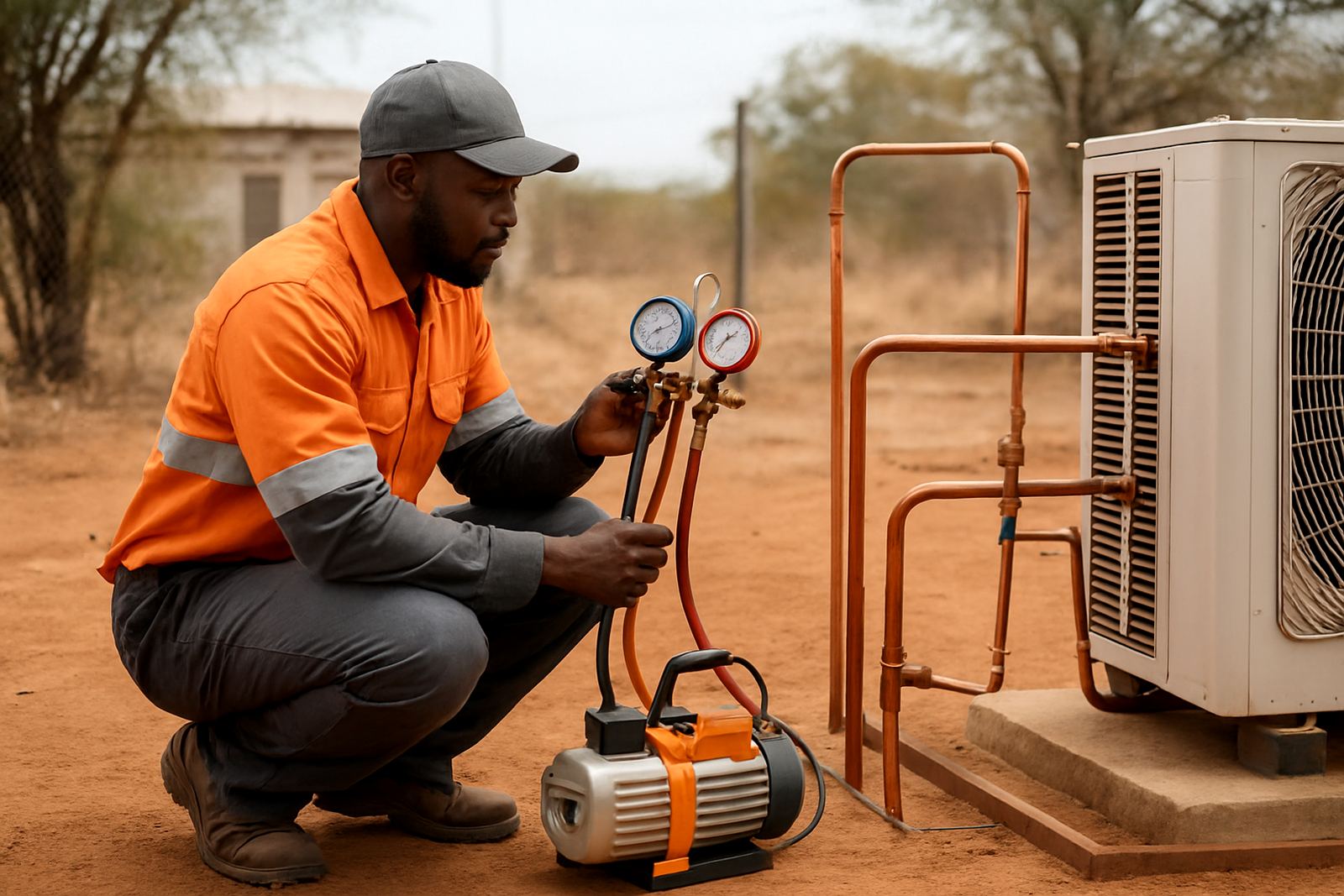
Air-conditioning systems are built to move a large volume of air through fine fins and filters. Dust narrows those air paths. The indoor unit has to pull harder through a clogged filter, while the outdoor unit cannot release heat properly if the coil is caked in grit. The result is longer run times and more load on the compressor, which is expensive to ignore.
Refrigeration systems face the same problem. In a cold room or display fridge, a dirty coil can cause poor temperature recovery after doors are opened. In a workshop in Galeshewe or a site in Upington, that might mean product risk, spoilage or downtime. A blocked drain line mixed with dust can also create water leaks and ice build-up, especially where humidity changes through the day.
For older units, dust often hides small faults. A weak fan motor, a worn capacitor or a bent coil fin may not be noticed until the system starts tripping. That is why servicing in dusty areas should include cleaning, electrical checks and airflow inspection, not just a quick wipe down.
Panels, controls and solar backup gear need clean air too
Dust does not stop at the air path. It settles inside switchboards, isolators, control boxes and inverter enclosures, where it can affect cooling and electrical contact. On solar backup installations, fine dust can collect on vents and filters, and it also settles around terminals if the enclosure is not properly sealed or maintained.
When dust sits on electronic parts, heat has less chance to escape. That can shorten component life and lead to faults that are hard to trace. In a business running through load-shedding, that matters because the backup system is expected to start cleanly every time. If the enclosure is choked with dust, it may run hotter than the installer intended.
Keep an eye on these signs:
- Warm enclosures or a strong dusty smell from the panel area.
- Fans that run continuously or make more noise than usual.
- Inverters or controllers showing unexplained warnings.
- Visible dust tracks around vents, filters or cable entries.
A proper clean must be careful. Blowing dust around with compressed air can push grit deeper into the gear, so it is better to follow a set maintenance routine with inspection and dry cleaning methods suited to the equipment.
Pumps and ventilation systems feel it as well
Pumps and ventilation systems often get overlooked because they are not always visible in daily use. Yet dust can affect both. On a pump installation, grit can collect around motor cooling fins, cable glands and bearing areas, especially on sites with open yards or gravel surfaces. That extra dirt raises motor temperature and can shorten service life. A seal that was already tired may fail sooner once dust and heat start working together.
Ventilation systems are just as exposed. Extract fans in kitchens, workshops or plant rooms draw in airborne dust and fine lint. Over time that build-up reduces air movement, makes the fan noisier and places strain on belts, motors and mounts. If the system is there to remove heat or fumes, poor airflow becomes a safety concern, not just a maintenance issue.
For this reason, a scheduled inspection should include the full route of the air or water path. It is not enough to look at the visible grille and move on. Check the motor, the mountings, the inlet and outlet, and the area around the installation too.
A local example from a Kimberley workshop
We often see the same pattern in New Park and nearby industrial areas. A workshop calls because an aircon is blowing less cold air, or a refrigeration cabinet is not holding temperature after lunch. On inspection, the filters are loaded, the coil fins are blocked with fine red dust, and the outdoor unit has a blanket of grit on the coil face. Sometimes the fault is also electrical, because dust and heat have already stressed a contactor or capacitor.
One regular pattern is with businesses that keep doors open for deliveries. Dust rushes in all day, then settles on every surface once the wind picks up. If a system is not serviced often enough, the issue compounds quickly. The owner notices only the symptom, but the real cause is reduced airflow and heat transfer. By the time the unit is cleaned, it has already spent weeks working too hard.
The lesson is simple. In the Northern Cape, maintenance intervals need to suit local conditions, not just the calendar. A unit in a clean office and one beside a dusty yard should not be serviced on the same schedule.
Practical maintenance that saves time and money
Dust control is mostly about regular attention. Small jobs done on time prevent bigger repairs later. That means cleaning filters, checking coils, inspecting fans and making sure enclosures stay closed and sealed properly. It also means watching how the equipment is used. If doors are left open, vents are blocked or installations sit in the path of windblown dust, the service interval should be shortened.
Good maintenance habits for Northern Cape sites include:
- Wash or replace filters before they become heavily loaded.
- Clean condenser and evaporator coils with the correct method for the equipment.
- Check drains for dust mud and slime buildup.
- Tighten electrical terminations during scheduled servicing.
- Look for unusual noise, vibration or heat from fans and motors.
- Keep equipment clear of loose soil, packaging and workshop debris.
For refrigeration, pumps, ventilation and solar backup systems, it is worth planning service visits before the worst of the hot season. A short inspection now can prevent a costly callout when the weather turns and the pressure is on.
Keeping equipment ready for the next dust storm
Dust is a fact of life across the Northern Cape, but it does not have to mean constant breakdowns. With proper servicing and a realistic maintenance plan, air-conditioning, refrigeration, pumps, ventilation and backup power gear can keep doing the job even when conditions are harsh. The key is to catch the dust before it becomes heat, wear and failure.
If a system has started running hotter, tripping more often or losing airflow, do not wait for a full breakdown. Early action usually saves parts, product and time. In this region, that is often the difference between a quick service and a long outage.