Why coils matter in everyday cooling
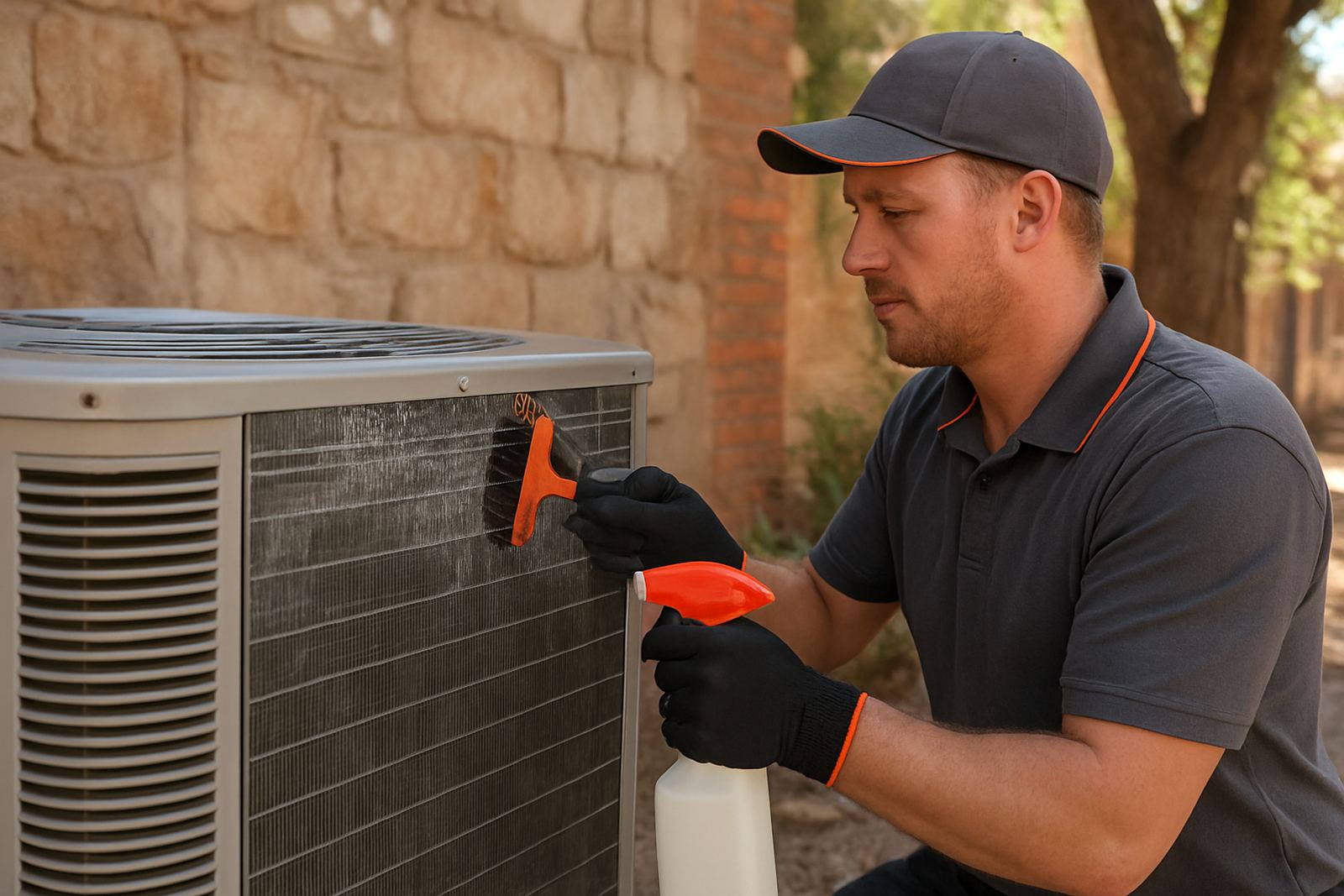
The evaporator and condenser coils are where heat is picked up and released. If those coil fins are coated in dust, the unit cannot transfer heat properly, so you get longer run times, warmer supply air and higher electricity use. In a place like Kimberley, where dry dust can settle quickly and get pulled into indoor units, this becomes a common cause of poor performance.
For businesses in New Park, Galeshewe and Roodepan, a clean coil is not just a maintenance item. It affects comfort in offices, storage areas, shops and homes, and it can be the difference between a system that keeps up on a hot afternoon and one that keeps tripping or icing up.
What a dirty coil actually does to your system
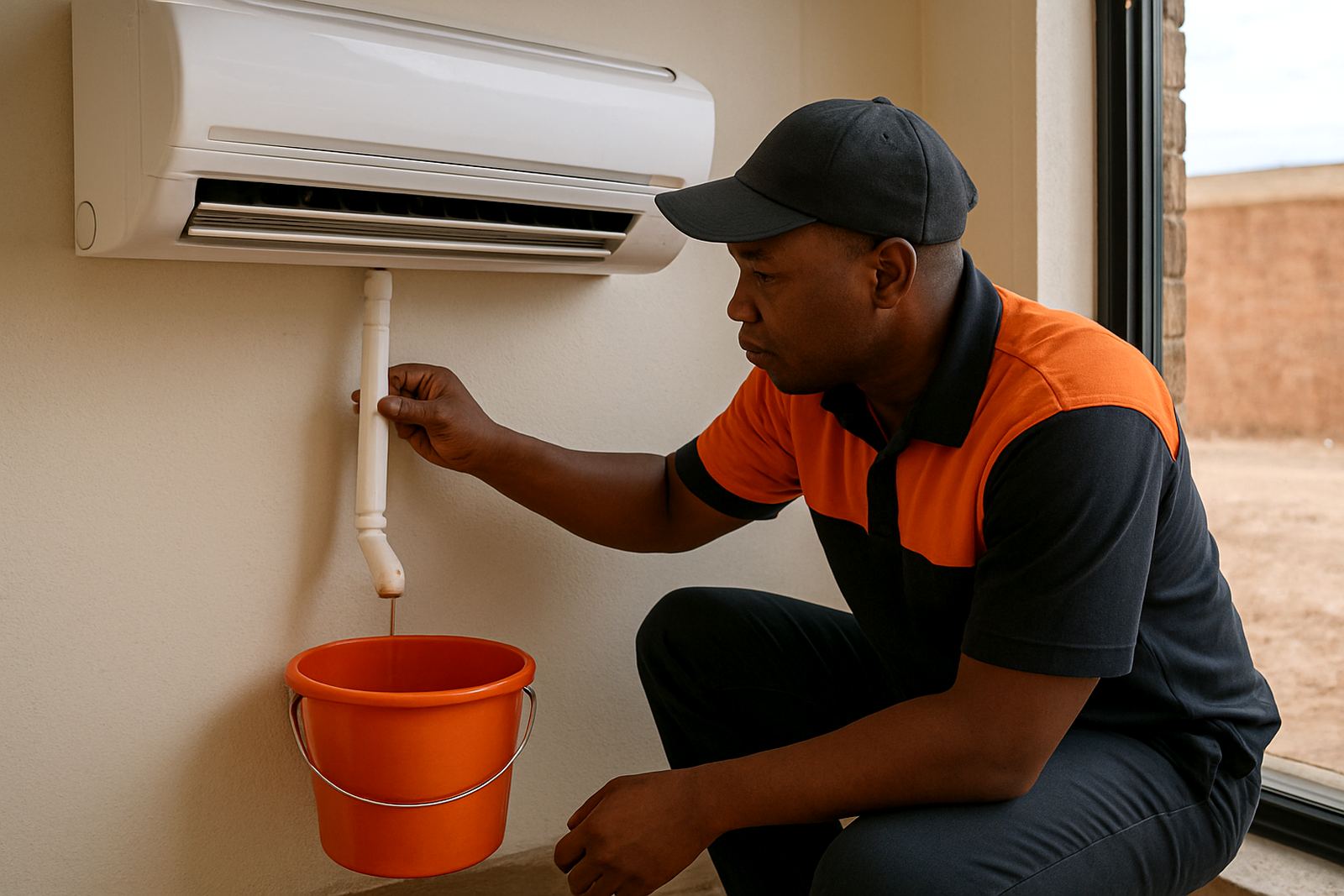
A blocked coil forces the system to work longer to move the same amount of heat. That means more strain on compressors, fans and electrical components. In refrigeration, it can lead to higher cabinet temperatures, product spoilage and uneven cooling in cold rooms. In air-conditioning, it can cause weak airflow, bad smells and water overflow if the drain pan and coil area are full of dirt.
- Higher power consumption during peak heat
- Reduced cooling capacity and slower pull-down time
- Short cycling and unnecessary wear on parts
- Ice build-up on evaporator coils in some systems
- More noise from fans working against restriction
Dust, grease and the Northern Cape climate
Kimberley’s dry weather means fine dust gets into filters, coil fins and outdoor condensers faster than many people expect. In kitchens, workshops and light industrial areas, grease and airborne particles can stick to the coil and form a hard layer that is not easy to wash off. Once that layer is there, normal airflow is reduced and the system starts losing efficiency.
Coastal humidity is not the big issue here, but that does not mean you can ignore moisture. In some installations, dust mixes with condensate and makes a sticky film. On outdoor units, wind-blown sand and debris can clog the fins from the outside as well. The result is the same: heat transfer drops and the system runs harder for longer.
Signs your coils need attention now
Most people notice a coil problem only after the system starts underperforming. It is better to look out for the warning signs early, before the compressor or fan motor takes unnecessary strain. If you manage a site in Upington, Kuruman or Kimberley CBD, a quick visual check can save a callout later.
- Air feels weaker than normal from the vents
- Room temperature takes too long to come down
- Ice is forming on the indoor coil or pipework
- Outdoor unit is blowing hot air but cooling poorly
- Electricity use has gone up with no clear reason
- Water is dripping where it should not
How professional coil cleaning is done properly
Good coil cleaning is not just spraying water and hoping for the best. The technician should isolate power, inspect the coil condition, clean filters first and then use the right method for the coil type. Some coils need a gentle chemical cleaner, others need low pressure rinsing, and damaged fins may need straightening before cleaning starts. A careless high-pressure wash can bend the fins and make the restriction worse.
At Modern Equipment, coil cleaning is normally carried out as part of a larger service check on air-conditioning, refrigeration or ventilation equipment. That lets the team look at fan condition, drain flow, gas readings and electrical connections at the same time. It is practical work, not guesswork.
A local example from a Kimberley workshop
A small workshop in New Park had an air-conditioner that ran all day but never seemed to cool the room properly. The owner assumed the gas was low. On inspection, the indoor coil and filter section were packed with fine dust from grinding work and road dirt. After cleaning the coil, checking the drain and restoring airflow, the system started cooling properly again without any major parts replacement.
That kind of result is common. Many cooling problems in the Northern Cape start with restricted airflow and dirty heat exchange surfaces, not with a failed compressor. Spot the issue early and you can avoid a much bigger bill later.
Simple maintenance habits that help between services
Coil cleaning should form part of a regular service plan, but there are a few habits that help between visits. Keep return-air areas clear, replace or wash filters on time, and make sure the outdoor unit has enough open space around it. If the unit is near a workshop, kitchen or dusty yard, it will need attention more often than a unit in a cleaner office environment.
- Check and clean filters monthly in dusty sites
- Keep boxes, stock and rubbish away from airflow paths
- Do not spray water directly into electrical sections
- Book servicing before the hottest months and before peak trading periods
- Ask for coil checks during aircon, refrigeration or ventilation visits
If you are using backup power or solar during load-shedding, a clean coil also helps the system recover faster after power returns. That matters when you need cooling back online without delay.