What battery backup actually does
A small battery backup system stores electricity so you can keep selected appliances running when the power goes off. In Kimberley, that usually means lights, Wi-Fi, a TV, a fan, a few plugs, or a small fridge for short periods. It can also support a gate motor, alarm, point of sale unit, or office router.
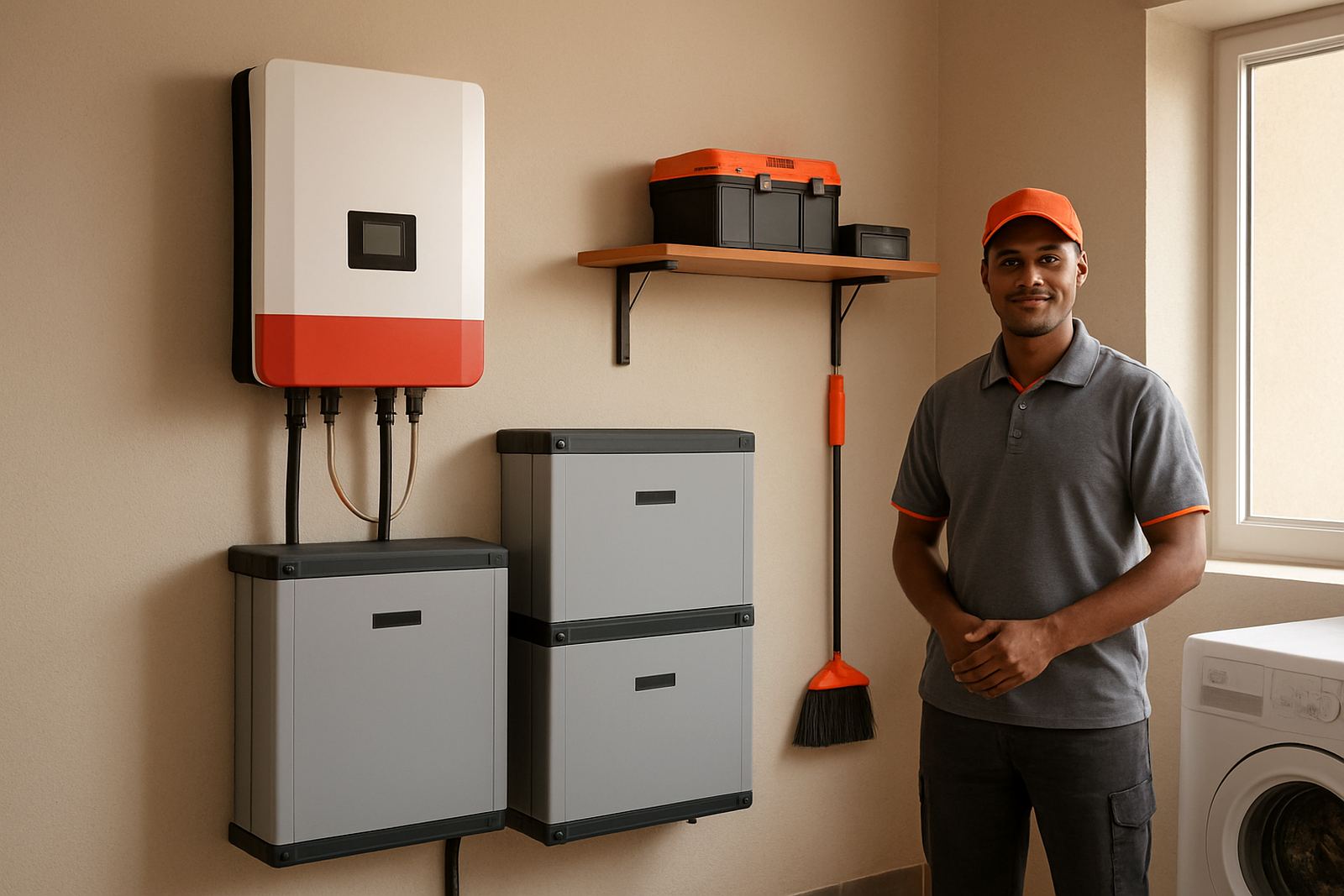
The basic parts are simple. You have a battery, an inverter, and often solar panels if you want to recharge during the day. Some systems are made for short loadshedding cover. Others are set up to carry a house or workshop through longer interruptions. The trick is matching the system to the actual load, not to a wish list.
- Battery stores power for when the grid goes off
- Inverter changes battery power into usable AC power
- Solar panels can recharge the battery in daylight
- Changeover gear keeps the installation safe and tidy
Start with the loads you want to protect
Before you talk batteries, write down the appliances that must stay on. A family in New Park might only need lights, a fan, the Wi-Fi router, and one bedroom plug for phones. A small office in Roodepan may need computers, a printer, a fibre box, and a small air conditioner for server cooling. A workshop in Galeshewe may need charging points, a compressor control circuit, and lights.
Do not size the system around the kettle or geyser unless you really want a much bigger setup. High draw items drain batteries fast and push up the inverter size. That is where many people overspend. The better question is: what must stay on for 2 to 4 hours, and what can wait until power returns.
- List essentials first, not every appliance in the building
- Check the starting surge on fridges and pumps
- Keep heating loads separate where possible
- Decide whether you need backup for comfort or for business continuity
Battery size, inverter size and why both matter
Battery size is measured in kilowatt-hours, while inverter size is measured in kilowatts. In plain terms, the battery tells you how long you can run, and the inverter tells you how much you can run at one time. A system with a large battery but a small inverter may last long yet still trip when too many things switch on. A large inverter with a tiny battery may start everything, then go flat quickly.
For a simple home backup, a modest battery and inverter can cover loadshedding without trying to power the whole house. For a small business, it may be better to keep only key circuits live. In the Northern Cape, where outages can hit during heat or wind, that balance matters. It is also worth leaving room for future add-ons if you plan to fit solar later.
- Match inverter capacity to the biggest combined load you will use at once
- Match battery capacity to the hours you need backup
- Allow spare capacity so the system is not running flat out
- Ask for a proper load check before you buy
Why solar often makes battery backup better
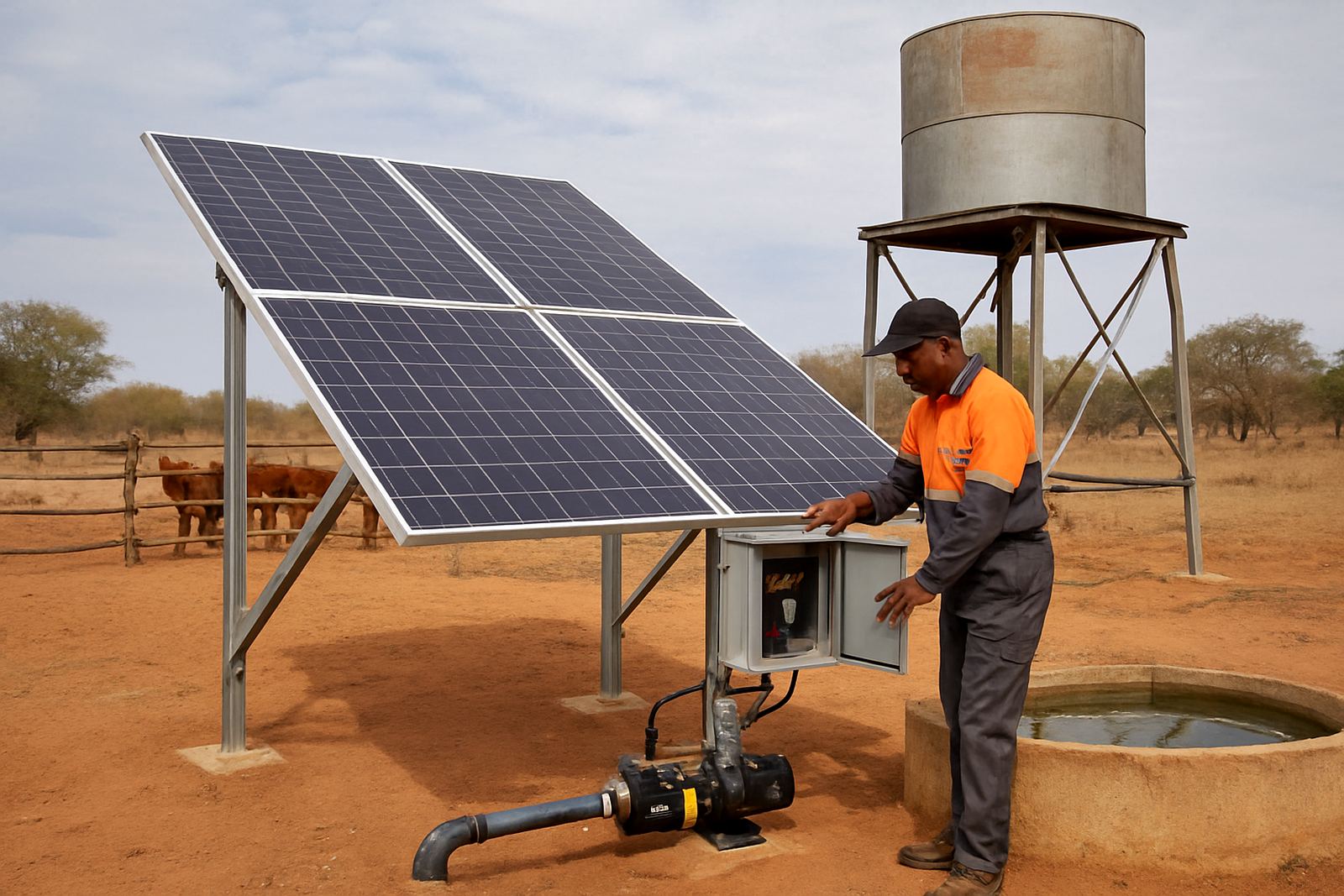
A battery on its own is useful, but solar charging makes the system far more practical. During the day, panels can top up the battery while you still use power in the building. That helps in long outages and reduces the amount of grid power you draw when supply returns. It can also lower running costs over time.
In Kimberley, the sun is one of the main reasons people move towards solar backup. Clear winter days and strong summer sunlight can help a small system recover faster, though dust and panel angle still matter. If the site is near open ground or gets plenty of windblown dust, the panels need regular cleaning and a sensible mounting position. A dirty panel can lose output quicker than many people expect.
Practical advice for homes and small businesses
Good battery backup starts with good habits. Keep the system indoors or under cover where heat and rain will not shorten battery life. Make sure cables are sized properly and the installation has the correct protection devices. On farms, in workshops, and in some municipal areas, it is also worth checking how the system ties into existing wiring so there is no backfeed risk.
For a home, it can be wise to split the backup circuits from the rest of the installation. For a business, label the backed-up points clearly so staff know what will keep running. If the system must support refrigeration, remember that a fridge or cold room plant can cycle on and off, so the starting current must be considered from the start. A system that looks fine on paper can fall short in practice if these details are ignored.
- Keep batteries cool, dry and ventilated
- Do not overload extension leads and plug chains
- Check battery health and settings regularly
- Use proper changeover switching for safety
A Kimberley example that makes it easier
Take a family in New Park. They want lights, Wi-Fi, a TV, and one bedroom plug during loadshedding. They do not need to run the whole house, just the basics. A small system with a carefully chosen inverter and battery can handle that well, especially if there is solar charging in daylight.
Now compare that with a small grocery or office in Kuruman or Upington. That site may need the till, router, lights, and a small fridge to stay on. The load is still manageable, but the design changes because business continuity matters. That is why two similar-looking customers can need very different systems. One size does not fit all, and it should not be priced that way either.
Getting the installation right from day one
The best battery backup systems are the ones people hardly notice because they work as expected. That comes from proper assessment, neat installation, and realistic expectations. If you want a small solar battery system for loadshedding cover, it should be set up with the right protection, the right cable size, and a plan for maintenance. If you later add more loads, it may need an upgrade rather than a quick patch job.
At Modern Equipment in New Park, Kimberley, we work with homes, shops, workshops and project sites across the Northern Cape. We can help with sizing, installation support, and the practical parts that matter after the first rainy season, dusty month or long week of loadshedding. The aim is simple: keep the important things on, and keep the system within budget.
When a small system is enough and when it is not
A small battery backup system is enough when you only need short-term cover for essentials. It is not enough if you expect to run air conditioning, kettles, pumps, and several rooms at once for hours on end. In that case, the system needs to be designed bigger from the start, or split into priority circuits. That honest conversation saves money and avoids disappointment.
If you are not sure where to begin, start with a load list and the number of hours you want backup. That gives you a clear base for planning and makes quotations easier to compare. It also helps prevent buying a battery that is too small or an inverter that is doing too much work. A proper setup should suit your daily use, not just the sales talk.