What a split aircon unit is and how it works
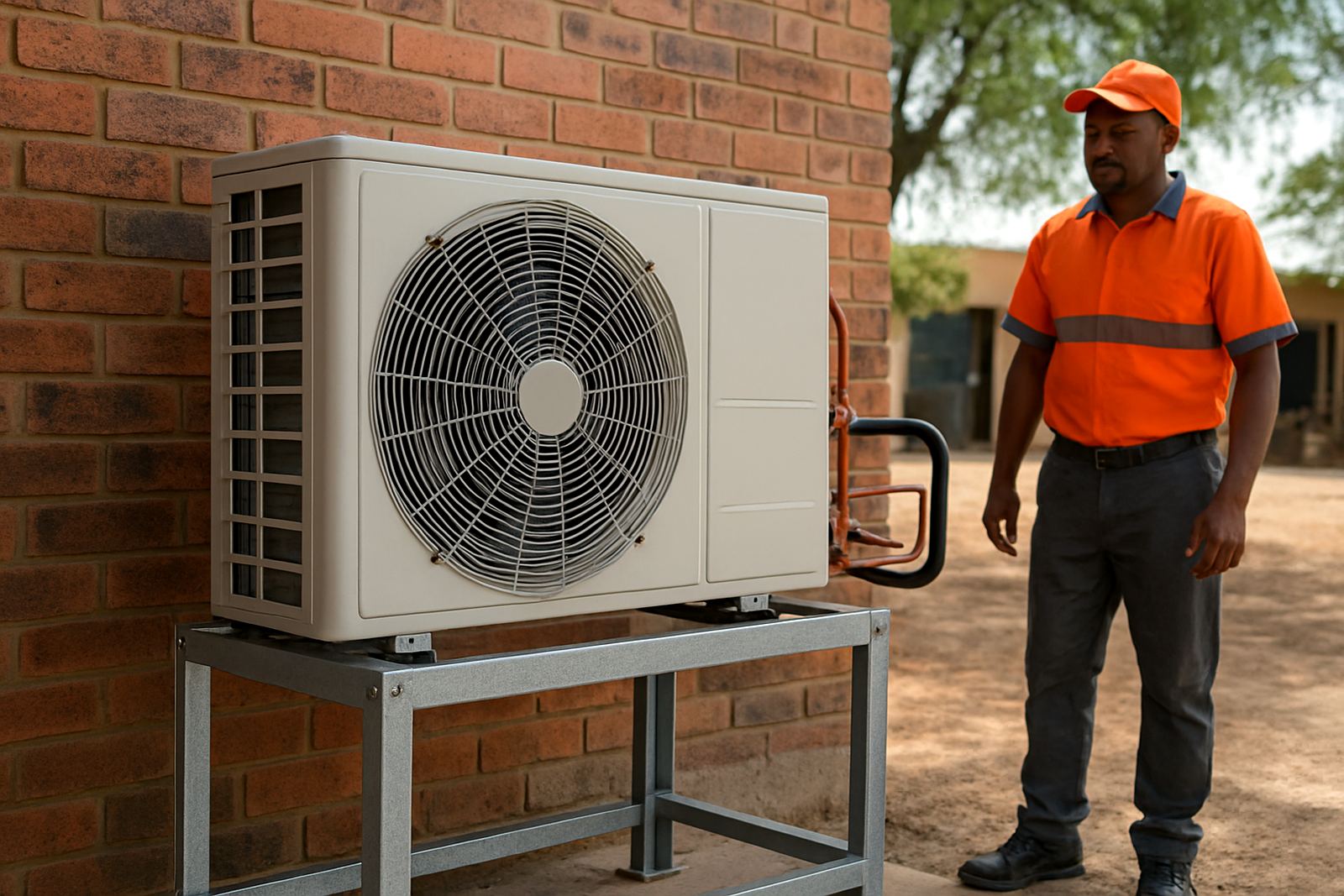
A split aircon unit has two main parts: an indoor unit that blows treated air into the room, and an outdoor unit that removes heat. The two are connected by copper pipework, electrical cabling and a condensate drain, so the system can cool in summer and, on many models, reverse cycle for heating in winter. For Kimberley weather, that matters. You get hot dry spells, chilly mornings and plenty of days where one room needs proper temperature control while the rest of the building can stay natural.
Because the noisy parts sit outside, split systems are well suited to bedrooms, meeting rooms, retail offices, consulting rooms and small workshops. They are also a practical option where you do not want ducting through the ceiling or bulky floor units getting in the way. The exact capacity must match the room size, insulation and how much heat enters through windows, computers or people moving in and out.
Sizes, capacities and common options
Split systems are usually sized by cooling capacity in BTU or kW. A small bedroom may only need a 2.6 kW unit, while a larger office or open-plan room could need 5.2 kW, 7.1 kW or more. Choosing the right size is important. A unit that is too small runs hard all day and still struggles. One that is too large may cool too quickly and not manage humidity or comfort properly.
We supply wall-mounted split units in a range of capacities and control options, including standard fixed-speed units and inverter models that adjust output to suit the room load. Inverter systems usually hold temperature more steadily and can use less power over a long day, which helps when the municipality is already loading the meter and load-shedding is a concern.
- Typical sizes: 2.6 kW, 3.5 kW, 5.0 kW, 7.1 kW and 10.5 kW
- Power supply: usually 230V single phase, with larger systems sometimes requiring dedicated circuits
- Refrigerant type: system dependent, selected to suit current equipment and installation requirements
- Indoor style: wall-mounted for most rooms, with other configurations available on request
Where split systems suit best in the Northern Cape
Split aircon units suit rooms where you need direct control of temperature without restructuring the whole building. In Kimberley they are often installed in homes at New Park, Roodepan and Galeshewe, as well as offices, shops and practices that need stable comfort during long hot periods. They also work well in Kuruman and Upington, where heat can be more intense and late-afternoon temperatures can climb fast.
These systems are practical for spaces that see regular use and where doors are not constantly left open. They are a good fit for private offices, reception areas, boardrooms, staff rooms, bedrooms, classrooms, small salons and light commercial rooms. If the room has large glass areas, poor insulation or frequent opening to the outside, the unit must be sized with that extra load in mind, otherwise performance will suffer.
For rental properties and owner-run businesses, split units are often preferred because they are neat, serviceable and easier to maintain than many central systems. If the building has strict municipal or body corporate rules, placement of the outdoor unit, drain line and any visible cabling should be checked before work starts.
Installation details that affect performance
A split unit only works properly when the installation is done carefully. The indoor unit must be mounted level, the drain line must fall correctly, and the pipe runs must be insulated and secured. The outdoor unit needs a firm base or bracket, enough airflow around it and protection from dust where possible. In Kimberley dust and dry wind can clog coils quicker than many people expect, so location matters.
Electrical supply also needs attention. Many failures start with the wrong cable size, a weak isolator or no dedicated protection on the circuit. For new installs, we check the supply point, cable route and breaker capacity before starting. If backup power or solar is in place, the system should be confirmed against inverter output and surge requirements so there are no surprise trips during changeover. Refrigerant pipework must be pressure tested, vacuumed and charged to the correct level for the line length, not guessed.
- Confirm wall strength and safe bracket position for the outdoor unit
- Allow space for service access, not only for fitment
- Use the correct pipe size and insulation thickness for the model
- Plan drainage so condensate does not drip onto paving, walls or stock
- Check the electrical circuit is dedicated and protected
Care, cleaning and servicing intervals
Regular care helps a split system keep its output and use power sensibly. The indoor filters should be cleaned often, especially in dusty areas or where pets and traffic bring in dirt. A blocked filter reduces airflow and can make the unit run longer to reach temperature. The outdoor coil also needs cleaning from time to time because dust, fluff and insect debris can hold heat in the unit and affect performance.
A proper service normally includes checking refrigerant pressures, electrical terminals, drainage, fan operation, coil condition and general operating temperatures. For most homes once a year may be enough, but offices, shops and units running most days should be serviced more often. If the room smells damp, trips a breaker, leaks water or stops cooling evenly, it should be checked early rather than left until the compressor suffers damage. Small faults become expensive quickly.
In coastal humidity a drain line and indoor tray can also grow slime or block up, although Kimberley is drier than many towns. Dust, vibration and voltage swings are the bigger local issue, and both can be handled if the unit is looked after properly.
What to check before you order
Before buying a split aircon unit, it helps to have a few details ready so the right system can be matched to the room. Measure the room size in metres, note ceiling height and say whether the room gets full sun, has good insulation or opens often to the outside. Also mention how many people usually sit in the room, because occupancy adds heat load. If there are computers, copiers, kitchen equipment or other heat sources, that should be mentioned too.
- Room dimensions in metres and ceiling height
- Room use: bedroom, office, shop, practice, meeting room or other
- Window size, shading and sun exposure
- Power supply available on site
- Whether heating is needed as well as cooling
- Any access limits for the outdoor unit or pipe route
It also helps to know whether the property is a home, a business or a rented unit, because some sites need written permission for wall drilling or external brackets. If you are replacing an old split system, take note of the previous unit size and any faults, but do not assume the same size will suit the room. A proper match saves power and gives a better result.
Key facts
| Product type | Wall-mounted split air conditioning system |
|---|---|
| Common capacities | 2.6 kW to 10.5 kW and above, subject to room size |
| Power supply | Usually 230V single phase |
| Function | Cooling on all models, heating on selected models |
| Installation | Indoor unit, outdoor condenser, copper pipework, drain and electrical connection |
| Best for | Homes, offices and light commercial rooms |