What a condensing unit does in a refrigeration system
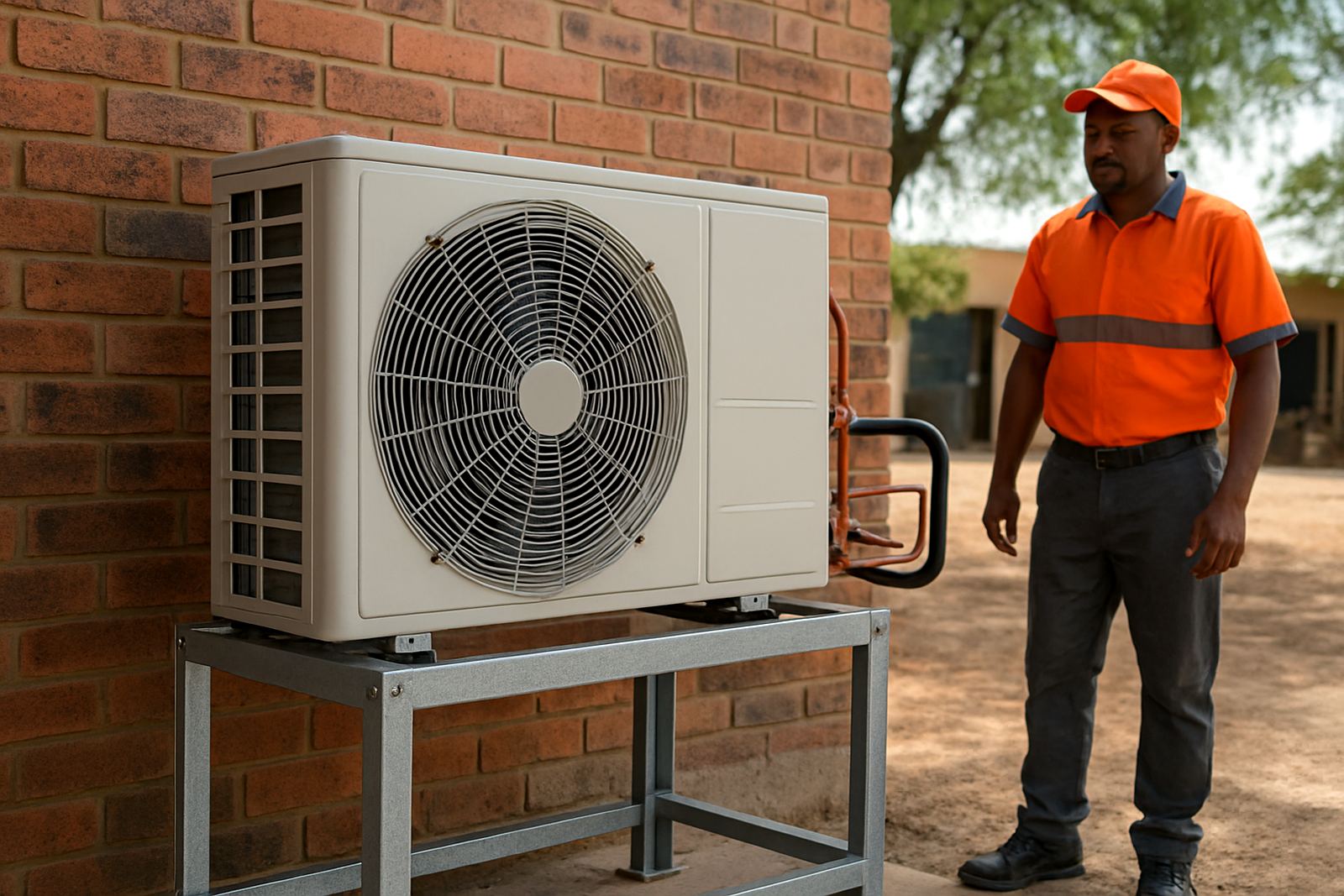
A condensing unit is the outdoor or remote part of a refrigeration system that takes heat out of the cold room or cabinet circuit. It normally combines the compressor, condenser coil, fan motor and control components on one frame, then pushes the refrigerant through the rest of the installation to keep the space cold.
For most users, the benefit is simple. The cold room or display cabinet stays in the right temperature range, while the noisy heat-making components are kept outside the storage space. That suits butcheries, food stores, bottle stores, florists, produce rooms, pack houses and light process cooling where temperature control matters every day.
In Kimberley and nearby towns, the unit has to cope with hot afternoons, dust, long running hours and load-shedding. A correctly selected unit will hold temperature better and cycle less often, which helps reduce wear on compressors and contactors.
Sizes and options we supply for local jobs
Condensing units are selected by cooling load, not by guesswork. We supply units for small, medium and larger applications, from single cold rooms through to multi-door display cooling and process applications. The right size depends on room volume, insulation, door opening frequency, product load and the target temperature. A poorly sized unit can short cycle, run too long, or struggle on warm days, so it pays to size properly from the start.
- Small units for compact cold rooms, milk rooms and under-counter type cooling circuits
- Medium units for butcheries, deli storage, produce rooms and general commercial cold storage
- Larger units for pack houses, walk-in freezers and higher duty process cooling
- Air-cooled options for most Northern Cape sites, where simple outside installation suits the climate
- Matched compressor and fan setups with service access for easier maintenance later
We can also help identify units that suit existing pipework, or advise when a fresh install is the better choice instead of trying to patch an old system that has already had a hard life.
Where condensing units fit best in the Northern Cape
These units are a practical choice for businesses that need steady refrigeration and want the heat rejected outside the storage area. They work well for cold rooms at shops, restaurants, farms, butchery spaces, bottle storage, light industrial rooms and smaller process applications. In places like New Park, Roodepan, Galeshewe, Kuruman and Upington, a remote condensing unit also makes cleaning and servicing easier because the main equipment is out in the open.
Condensing units are often used with cold rooms, but they also suit display cooling and other application specific setups where the evaporator and the condensing side are separated. If you are storing meat, dairy, fruit, vegetables or chemical products, the operating temperature and defrost method must match the product. That detail matters more than many people think.
- Cold rooms for perishable stock and daily retail use
- Display cooling where the refrigeration plant is mounted away from the cabinet
- Process cooling where steady duty and repeat starts are part of the load
- Sites where heat build up inside the building is a concern
For coastal humidity the approach can differ, but in our region dust, heat and power interruptions are the usual issues, so those are the points we plan around first.
Installation points, power supply and refrigerant matching
Correct installation is as important as the unit itself. The unit needs good airflow around the condenser coil, a stable base, and enough clearance for service access. If it is mounted in a tight yard or against a wall, hot air recirculation can push head pressure up and make the compressor work harder. That is one reason some systems run well in winter but struggle once the high Northern Cape temperatures arrive.
Power supply must also be checked before ordering. Some units are suited to single phase supply, while others need three phase. Voltage stability, cable size, isolator rating and protection all need to be checked, especially where load-shedding or generator back up is part of the site plan. If the supply is weak, the unit may start badly or trip under load.
We also look at refrigerant choice and component matching. The compressor, expansion device, oil type and piping size must suit the refrigerant used. If the system is being replaced or repaired, we need the existing details first so the new unit is compatible and the installation is not left with an odd mix of parts.
- Check the available supply voltage and phase before ordering
- Allow space for airflow and future service work
- Match refrigerant type to the compressor and controls
- Confirm pipe lengths, lift and line sizing for the site
- Plan for mains failure or backup power where product loss would be costly
Care, servicing and spare parts that keep it running
Like any refrigeration equipment, a condensing unit lasts longer when it is cleaned and checked regularly. Dust on the coil, poor airflow, loose terminals, blocked drains and low refrigerant charge can all cause extra strain. That strain shows up first as longer run times, warmer room temperatures or unusual compressor noise. If a unit is working too hard, the electricity bill will show it too.
Our service team handles refrigeration repairs, commissioning support and maintenance checks for businesses across Kimberley and the surrounding areas. That includes checking motors, contactors, capacitors, pressure controls, fan blades, isolators and refrigerant charge. If a unit has been exposed to dust or vibration, we can inspect the mountings and electrical connections before a small issue becomes a shut down.
We keep parts and workshop support for common refrigeration needs, which helps when a business cannot wait days for a missed delivery. Regular servicing is especially important on units running long hours in summer, or where the room door is opened often through the day.
What to check before placing an order
Before you order a condensing unit, gather the basic site details. That saves time and prevents a wrong supply. If you already have a cold room or system on site, a photo of the old data plate and the installation layout will help us work out the replacement path. If it is a new build, the room size and target product temperature are the starting point.
- Room dimensions, insulation thickness and door size
- Target temperature and product type
- Single phase or three phase power available
- Pipe run length and where the unit will be mounted
- Existing refrigerant, if it is a replacement job
- Any backup power or load-shedding requirements
Our team in New Park, Kimberley works with customers from Galeshewe to Upington and Kuruman, so we are used to local conditions and the practical issues that come with them. If you need advice on a replacement unit or a fresh installation, we can help you compare options and order the right unit the first time.
Key facts
| Type | Air-cooled refrigeration condensing unit |
|---|---|
| Use | Cold rooms, display cooling and process applications |
| Capacity range | Selected to suit small to larger commercial loads |
| Power options | Single phase and three phase units available |
| Refrigerant compatibility | Matched to system design and compressor selection |
| Installation | Remote mount with outdoor airflow and service access |