What inline duct fans do in a small ventilation line
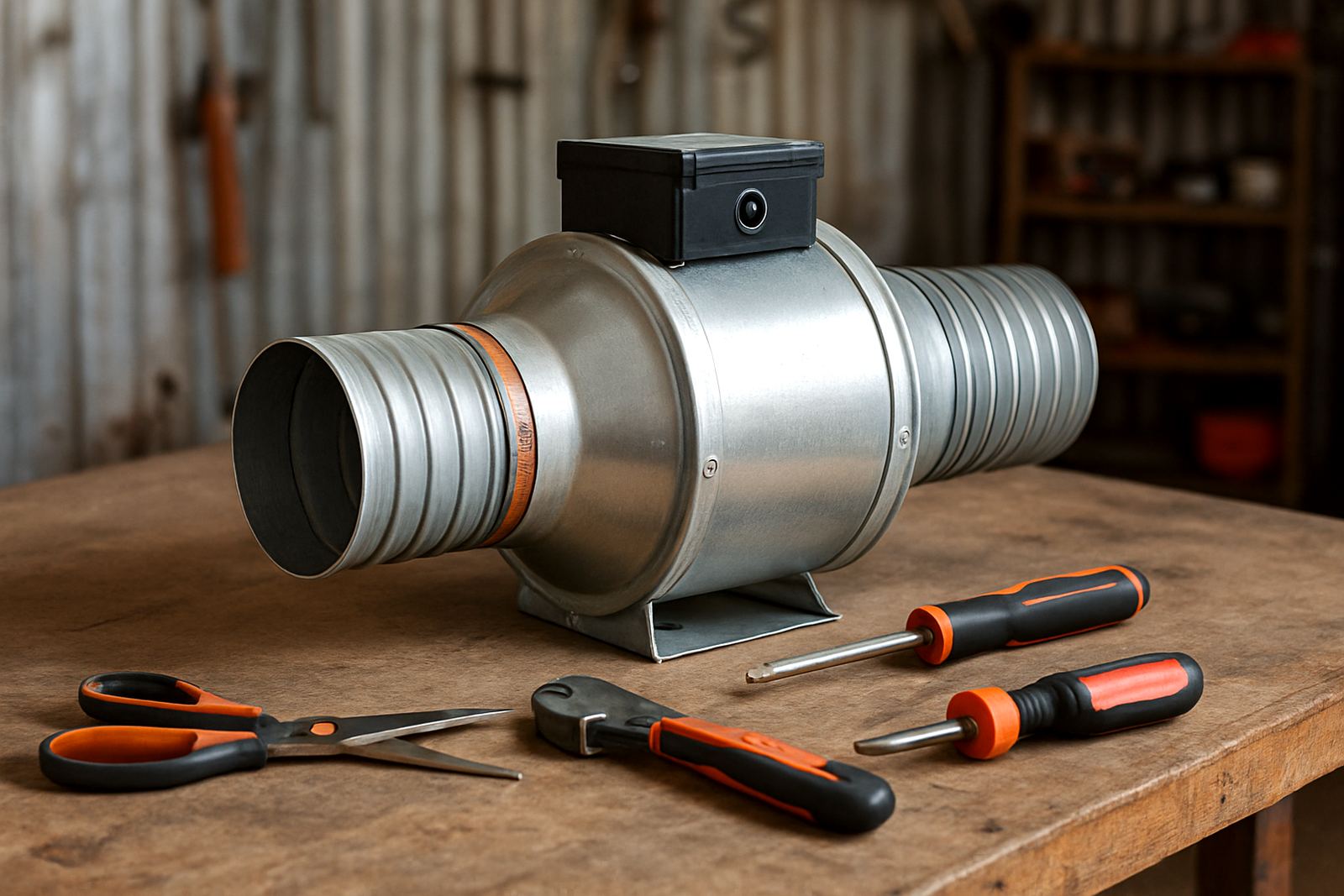
An inline duct fan sits inside the ducting rather than on a wall or ceiling face. It pulls or pushes air through the duct run, which is useful where the outlet is not directly above the room or where the air has to travel around a bend, grille or short ceiling void. In practical terms, it helps clear moisture, smells and stale air without taking up floor space.
These fans are commonly used where a bathroom, storeroom or small utility area needs steady air movement. They are not meant to replace a full ventilation design in larger buildings, but for a short run they do the job well. In Kimberley dust and heat can build up fast, so a fan that keeps air moving can make a noticeable difference.
- Compact body that fits inside round ducting
- Suitable for extract or supply duty, depending on the setup
- Good for short to medium duct runs
- Useful in homes, small shops and light commercial spaces
Sizes and options that are commonly ordered
Inline duct fans are usually selected by duct diameter, airflow requirement and noise level. Common sizes include 100 mm, 125 mm, 150 mm and 200 mm units, with larger sizes available for bigger rooms or longer duct runs. The housing may be plastic or metal depending on the application, and some units are supplied with mounting feet or bracket points for easier fixing.
Airflow is normally measured in cubic metres per hour. A small bathroom might only need a modest unit, while a back room, prep area or server cupboard may need a stronger model. The right choice depends on the duct length, the number of bends, and whether the fan is working against a grille, filter or louvre. If the duct is too long or too restrictive, airflow will drop and the fan can become noisy.
- 100 mm for small bathrooms and cloakrooms
- 125 mm for medium bathrooms and small utility rooms
- 150 mm for larger domestic or light commercial spaces
- 200 mm and above for higher airflow needs
Where inline duct fans suit local buildings
These fans suit places where airflow has to be moved from one point to another without a big visible fan on the wall. They are often used in bathrooms with ceiling ducts, inside small stores, above toilets, in laundry areas and in parts of workshops where fumes or warm air need to be carried away. They can also be fitted to assist supply air into a room that feels stuffy or traps heat.
For the Northern Cape climate, airflow matters. Hot afternoons, dusty conditions and closed buildings can leave rooms uncomfortable, especially in places that are shut during load-shedding and then reopened later. An inline unit can help keep air moving through the space, which is useful in homes, guest rooms, clinics and small offices alike.
- Bathrooms and showers
- Stores and stock rooms
- Laundries and utility rooms
- Small workshops and back-of-house areas
Power needs, wiring and fitting points to plan for
Inline duct fans are electrically driven, so they do not need gas supply or refrigerant connections. Most units run on standard single-phase power, but the exact voltage and current draw must match the selected model and the site supply. In many cases the fan is connected through a wall switch, isolator or controller, with care taken to keep the motor out of direct moisture and away from places where water can drip onto the casing.
Installation should allow for straight duct sections where possible, secure mounting, and proper access for later cleaning. A badly supported fan can vibrate, and vibration can travel through the ceiling or duct line. If the fan is being installed in a bathroom or a damp area, make sure the electrician and installer check the route, the isolation point and the required protection for that room.
- Confirm the supply voltage before ordering
- Allow space for access to the fan body
- Use proper duct tape, clamps or connectors
- Support the fan so it does not hang on the duct only
What to check before you order a fan
The most common mistake is choosing a fan by size only. A 150 mm unit may fit the duct, but the airflow, pressure and noise level must still suit the room. It is worth checking the duct diameter, the total length of the run, how many bends there are and whether the air is being extracted out or supplied in. If there is a filter, grille or louvre in the line, that adds resistance too.
We also suggest checking how the fan will be controlled. Some sites need a simple on and off switch, while others need a timer or a switch that works with the light circuit. If the room is used after hours or in a guest area, a quieter model may be better than the highest airflow model. Planning this up front saves time later and reduces call-backs.
- Duct diameter in mm
- Approximate duct length and number of bends
- Room type and expected usage
- Power supply and control method
- Any moisture, dust or heat present in the area
Care, servicing and useful spare parts
These fans need little attention, but they do benefit from basic care. Dust build-up on the impeller or grille can reduce airflow and increase noise. In a dusty town like Kimberley, that matters more than people think. If the unit is fitted in a humid room, check for signs of corrosion or loose fixings when doing routine maintenance. A quick clean every few months can keep the fan working properly.
If a fan starts humming, rattling or moving less air than usual, the problem may be dirt, a loose mount, or a failing motor component. Our team can help with replacement fans, mounting parts and advice on compatible controls. For business sites, it is best to keep a spare fan or at least the exact model details on record, because downtime in a bathroom or store area can become a nuisance fast.
Support for installs in Kimberley and nearby areas
Modern Equipment supplies ventilation gear from our New Park base in Kimberley, with support across Roodepan, Galeshewe, Kuruman and Upington. We work with contractors, builders, maintenance teams and property owners who need practical airflow solutions that fit real site conditions. Whether the job is a house bathroom, a small shop or a back room that runs too hot, the aim is to match the fan to the duct and the duty.
We can assist with product selection, parts, and related ventilation equipment, plus support for air-conditioning, refrigeration, pumps, solar backup and workshop tools where the project calls for it. If you are replacing an existing unit, bring the old fan details, the duct size and a photo of the installation if possible. That usually speeds things up quite a bit.
Key facts
| Typical sizes | 100 mm, 125 mm, 150 mm, 200 mm and selected larger diameters |
|---|---|
| Airflow range | Model dependent, from light extraction to higher volume transfer |
| Power | Single-phase electric motor, exact voltage depends on model |
| Body material | Plastic or metal housing depending on duty and location |
| Installation type | Inline fit inside round ducting with mount points or brackets |
| Common use | Bathroom extraction, small stores, utility rooms and short duct runs |