What a display fridge does in daily trade
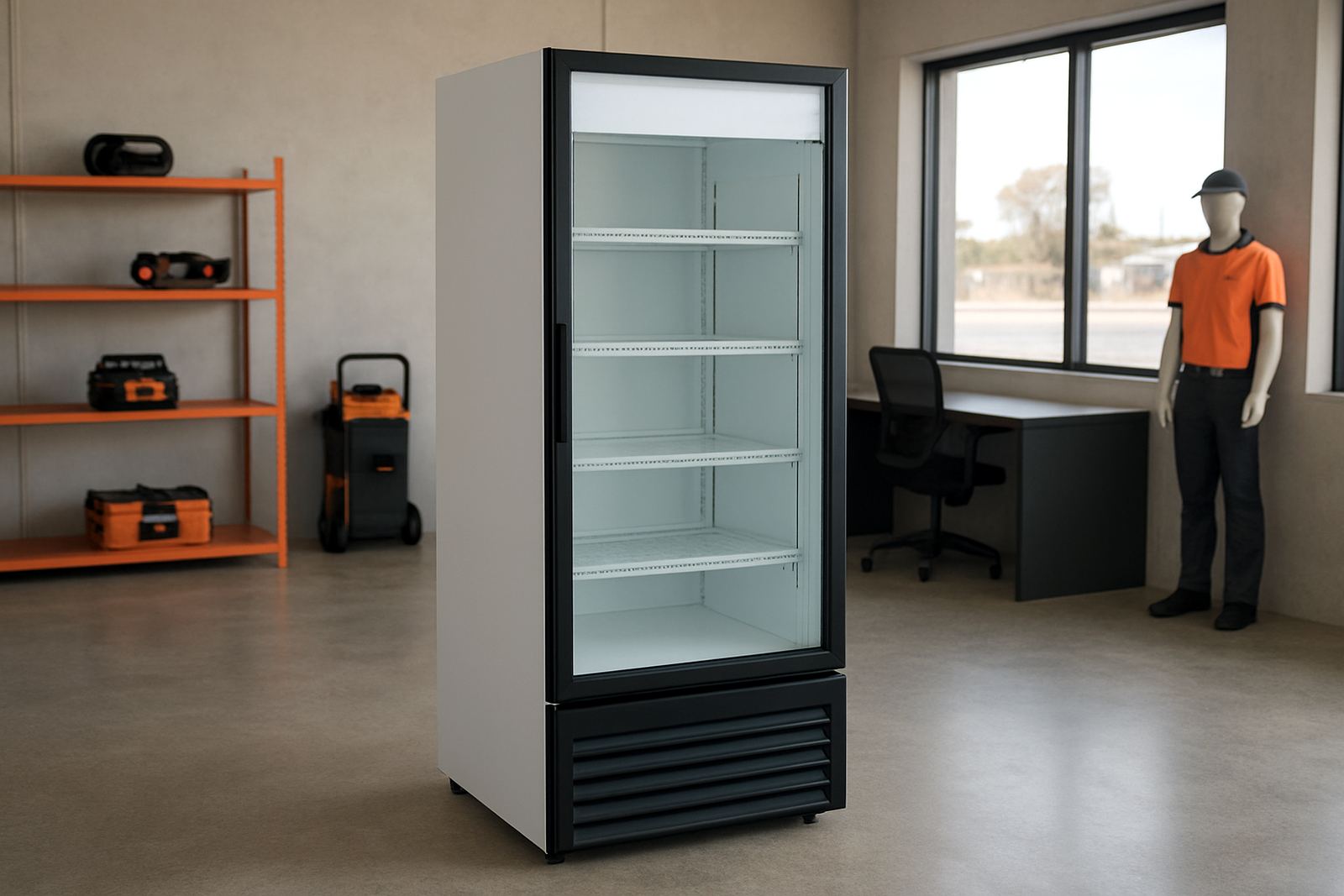
A display fridge is a commercial refrigeration unit with clear viewing panels, shelving and controlled cooling, so customers can see products without opening the cabinet for long periods. That matters in busy shops, takeaway counters and forecourt stores where doors are opened all day and stock has to stay at safe holding temperature. The right unit reduces wastage, keeps the front area neat and helps staff move stock quickly.
In the Northern Cape, where power interruptions and hot afternoons can push equipment harder, it helps to choose a cabinet sized for the real daily load, not just the floor space available. A unit that is too small will be overpacked and struggle to recover temperature, while an oversized one can waste power and take up valuable service area.
- Suitable for bottled drinks, dairy, pies, salads, sandwiches and packaged meals
- Useful in cafés, butchery counters, tuck shops and convenience stores
- Available in upright, countertop and multideck formats
Sizes, door styles and shelf options
Display fridges come in a practical range of sizes, from compact countertop models for tight service points to larger upright cabinets for higher turnover. Common widths include about 900 mm, 1200 mm and 1500 mm, with heights that suit front-of-house presentation and back wall placement. Some units use a single glass door, while others use two or three doors for larger volume storage.
Inside, shelves are usually adjustable so the cabinet can handle 340 ml cans, 500 ml bottles, milk cartons or plated items. For some applications, a unit with LED interior lighting and fan-assisted airflow gives better product visibility and steadier temperature spread. If your staff need quick access during a lunch rush, sliding doors or self-closing hinged doors can make service easier.
- Widths and heights matched to available counter or wall space
- Adjustable shelving for mixed product sizes
- Glass door or open-front multideck choices depending on serving style
- Interior lighting for improved product display
Where display fridges work best
These units suit any business that sells chilled goods where customers can see the stock before buying. In cafés and bakeries, they help keep desserts and drinks in full view. In convenience stores, they support impulse sales at the till point. In forecourt shops and small supermarkets, they keep fast-moving items within easy reach for staff and customers.
They can also be used in office canteens, sports clubs and guest lodges, provided the unit is placed where ventilation around the condenser is not blocked. In Kimberley heat and dust can affect performance, so we often recommend a location away from direct sun, ovens and frying equipment. A fridge placed too close to a hot prep line will work harder and use more electricity.
- Front-of-house chilled merchandising
- Counter service in cafés and takeaway shops
- Small retail food stores and school tuck shops
- Hospitality areas and staff canteens
Power use, airflow and installation points
Most commercial display fridges run on standard single-phase electricity, but the exact rating depends on size, compressor type and whether the cabinet is fan-cooled. When ordering, check the supply voltage, plug type and maximum current draw so the circuit is sized correctly. If the fridge will sit on a generator or backup supply during load shedding, ask for the starting load as well as the running load.
Good airflow around the cabinet is essential. Leave space behind and above the unit for heat to escape, and keep the condenser grille clear of flour dust, grease and paper. In hot rooms the fridge may cycle more often, so proper room ventilation matters. Where the unit is installed near a serving hatch or in a tight retail corner, we can help plan the position so doors open freely and the cooling system is not starved of air.
- Confirm single-phase supply and plug requirements before delivery
- Allow clear space for heat discharge and cleaning access
- Consider backup power if the cabinet holds fresh food during outages
- Check floor strength and levelling on uneven tiled surfaces
Care, cleaning and service checks
Like any refrigeration equipment, a display fridge lasts longer when it is cleaned and serviced regularly. Shelves, door seals and drain trays should be wiped down with food-safe cleaners. The condenser coil needs periodic cleaning so dust does not build up and push temperatures higher. If the door seal is torn, warm air will leak in and the unit will run longer than needed.
Watch for signs such as frost build-up, fogged glass, noisy fans or uneven temperatures between shelves. If stock is warm at the front but frozen near the evaporator, airflow may need attention. A quick service at the right time is better than waiting for a breakdown on a Friday afternoon when the cabinet is full. That is the sort of fault that turns into spoiled stock very fast.
- Clean glass and seals daily in busy food areas
- Remove dust from condenser coils on a set schedule
- Check door hinges, gaskets and fans for wear
- Keep drainage clear to avoid water pooling inside or under the unit
What to check before placing an order
Before you buy, measure the available space carefully, including clearance for doors, service access and delivery through the entrance. Check whether the unit will sit against a wall, behind a counter or in an open customer area. Product mix also matters: drinks need different shelf spacing from prepared meals or dairy packs, and a bakery cabinet may need a different layout again.
It also helps to confirm whether the display fridge must be lockable, whether a night blind is needed, and whether the front panel must match a specific retail layout. For businesses in Kimberley, Roodepan, Galeshewe, Kuruman and Upington, transport access and site conditions can affect installation, so it is worth confirming stairways, door widths and loading points early. A little planning saves a lot of moving later.
- Overall size, door swing and delivery access
- Temperature range required for the product being sold
- Power supply details and backup needs
- Type of shelving, lighting and lock requirements
Key facts
| Product type | Commercial display refrigeration for front-of-house chilled storage |
|---|---|
| Typical sizes | 900 mm to 1500 mm wide, with upright and countertop options |
| Door options | Single, double or multi-door glass front cabinets |
| Temperature range | Common commercial chilled range for drinks and fresh food |
| Power supply | Usually single-phase, exact rating depends on model |
| Typical use | Cafés, convenience counters, tuck shops and retail food areas |