What an auto aircon compressor does
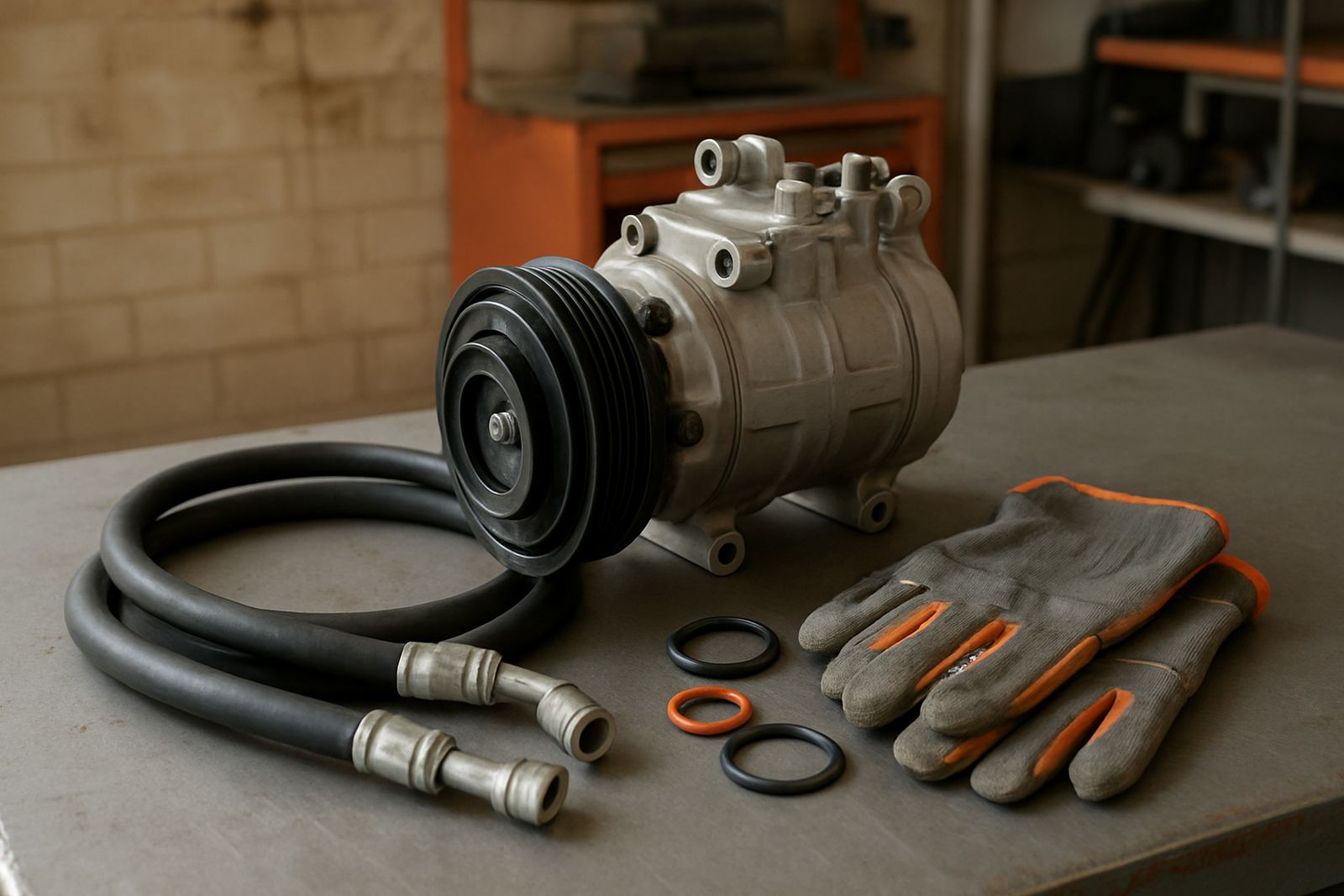
The compressor is the heart of a vehicle air-conditioning system. It draws in low-pressure refrigerant gas from the evaporator side, compresses it, then sends it on to the condenser so the system can cool the cab or cabin again. When it starts to fail you may hear bearing noise, get weak cooling, see the clutch cycling too often, or find the belt slipping under load.
In Kimberley heat, that matters quickly. A worn compressor can put extra strain on the engine and make the whole system run hot, especially on bakkies, taxis, panel vans and service vehicles that work in stop-start traffic or on long runs between towns. We stock replacement compressors suited to workshop repairs, insurance work and general fleet maintenance.
The right compressor has to match more than just the make and model. You need the correct mounting pattern, pulley groove count, clutch style, shaft rotation and refrigerant specification. If one of those is wrong, the system may not cool properly or the belt line may not line up. It is worth checking carefully before fitting.
Common compressor types and fitment options
Auto aircon compressors come in different sizes and configurations depending on the vehicle. Smaller passenger cars usually use compact units with a lighter pulley and clutch assembly, while bakkies, SUVs and work vehicles often need a higher displacement compressor for faster pull-down in hot conditions. Some systems use fixed-displacement units and others use variable-displacement compressors for better control and lower fuel use.
- Fixed-displacement compressors for simple, proven replacement work
- Variable-displacement compressors where the vehicle system calls for it
- Clutch type or clutchless options depending on the vehicle setup
- Single groove, double groove or multi-rib pulleys
- Units for common 12 V passenger and light commercial applications
For workshop ordering, we always suggest checking the old unit number, pulley size, mounting ears and connector layout. On some vehicles the compressor can look close enough but still be the wrong version. That leads to repeated comebacks, extra labour and a wasted gas recovery job.
Where these compressors suit best
These compressors suit vehicles used in the Northern Cape climate where daytime heat, dust and long distances put pressure on air-conditioning systems. They are commonly used on family cars, delivery vehicles, bakkies, municipal fleets, service trucks and agricultural support vehicles. If a cab spends long hours in direct sun, a good compressor helps the system recover temperature faster after idling or heavy use.
They are also useful where the vehicle is working with extra load, such as towing, patrol work or site driving. In these conditions the aircon system needs correct gas charge, clean airflow through the condenser and a compressor that can maintain pressure without overworking. If the condenser is blocked or the radiator fan is weak, even a new compressor will struggle.
- Passenger vehicles used for daily commuting
- Work bakkies and light commercial fleets
- Taxis and shuttle vehicles with high duty cycles
- Service vehicles covering Kimberley, Roodepan, Galeshewe, Kuruman and Upington
Installation checks before you fit a new unit
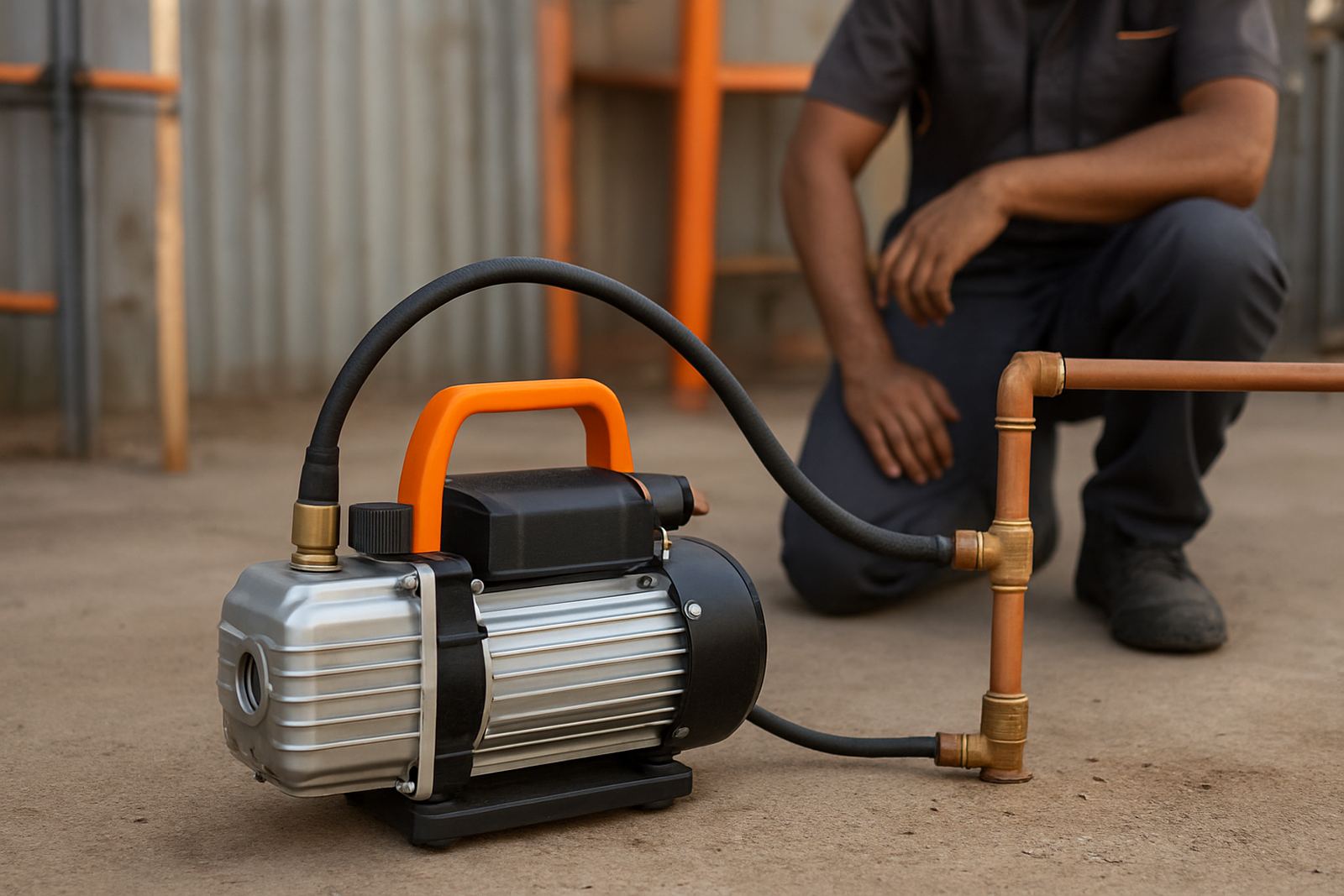
Before fitting a replacement compressor, the system needs a proper check. If the old compressor failed mechanically, the oil may be dirty and metal debris can move through the pipes, condenser and expansion device. If that contamination stays in the system it can damage the new unit within days. That is why a flush, filter check and careful evacuation are often part of the job.
You also need to confirm the refrigerant type and oil specification. Many vehicle systems use different oils depending on compressor design and gas type, and mixing them can cause poor lubrication. Belt tension, pulley alignment and electrical connection should be checked too. A compressor that is mounted slightly out can cause vibration, squealing or early clutch wear.
We advise workshops to check the following before ordering or installation:
- Vehicle model, year and engine code
- Old compressor part number and pulley groove count
- Refrigerant type and oil type already in the system
- Mounting bracket style and hose port layout
- Condition of condenser, drier and expansion valve or orifice tube
Power, gas and system requirements
Auto aircon compressors do not run on electricity in the same way as a home unit, but they do place a mechanical load on the engine. That means the compressor must be matched to the vehicle’s belt drive and idle performance. On smaller engines, a compressor that is too heavy or too large can affect acceleration and fuel use. On larger vehicles, undersizing can leave the cabin slow to cool.
Most vehicle systems use a refrigerant circuit that must be evacuated and recharged with the correct mass of gas after repair. The gas charge amount is important. Too little refrigerant can starve the compressor, while too much can drive up pressures and cause poor cooling. In hot Northern Cape weather, overcharging is a common cause of problems because it can look like a weak compressor when the issue is actually the charge amount.
Modern Equipment can assist with compressors for workshop jobs where the system needs matching parts, clean line work and proper commissioning. If the vehicle has had a failed compressor, it is best to sort the cause, not just swap the part and hope for the best.
Care, servicing and signs of trouble
A replacement compressor lasts longer when the rest of the system is kept in good condition. Condenser fins should be kept clean, the cabin filter should be replaced on schedule, and the radiator fans must operate properly. Dust, road grime and blocked airflow make the compressor work harder and push head pressure up. That is common on vehicles operating around quarry roads, farms and dusty township routes.
Watch for these warning signs:
- Warm air at idle but cooler air when driving
- Belt noise, clutch chatter or a clicking compressor
- Oil stains around the compressor body or pipe joints
- Rattling from the pulley or front bearing
- Repeated fuse blowing or cycling issues on the clutch circuit
If the compressor has seized, do not keep trying to start the system. Continued running can burn the belt, damage the drive pulley and spread debris through the system. A proper inspection saves time later and cuts down on repeat repairs.
What to check when ordering from Modern Equipment
When you order an auto aircon compressor, bring as much detail as you can. A clear sample, part number, or vehicle registration details help us narrow it down quickly. If the old unit is still on site, check the sticker, casting marks and electrical plug before removing it. If the vehicle has been modified or repaired before, tell us that too, because small changes can affect fitment.
For better matching, please confirm:
- Vehicle make, model, year and engine size
- Refrigerant type and whether the system has been converted
- Compressor mounting points and pipe connections
- Clutch pulley type and belt groove count
- Whether you need the compressor only or a full repair kit with drier, seals and oil
From our base in New Park, Kimberley, we support customers in Roodepan, Galeshewe, Kuruman, Upington and the wider Northern Cape. If you are working on a single vehicle or a small fleet, we can help keep the repair practical, matched and ready for local conditions.
Key facts
| Type | Replacement auto aircon compressors for vehicle repair |
|---|---|
| Operating system | Engine-driven belt compressor, clutch or variable type |
| Typical refrigerant | R134a and other vehicle-specific systems |
| Common fitment | Passenger cars, bakkies, SUVs, taxis and light commercial vehicles |
| Mounting | Vehicle-specific bracket and pulley configurations |
| Use case | Workshop replacement, fleet maintenance and repair jobs |