School buildings need different treatment from homes
A school in Kimberley, Roodepan or Galeshewe is not like a house with a few rooms and a handful of people. You have class changeovers, crowded staff areas, weekend use, cleaners after hours and students moving in and out all day. Heat builds fast under corrugated roofs and in north-facing classrooms, while dust and dry air make poor ventilation more noticeable. In hostels and admin blocks, the problem is often uneven temperatures, stale air and machines that cannot cope with power interruptions.
We look at the building by use, not only by square metres. A classroom needs fresh air and sometimes selective cooling only on the hot side of the block. An office may need quiet cooling and better filtration. A hostel passage or laundry area may need ventilation first, then cooling only where people sleep. That approach saves money and cuts down on unnecessary running costs.
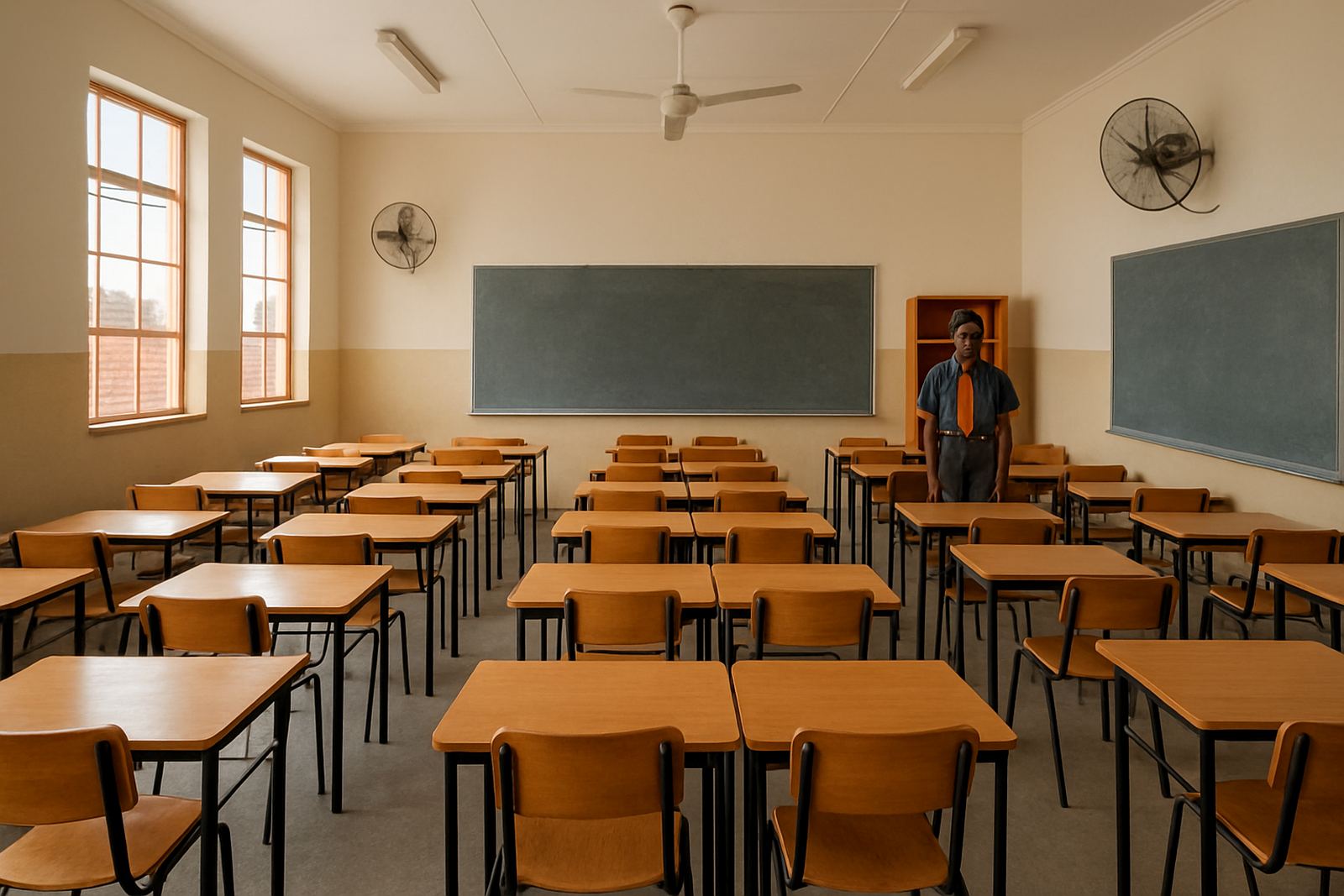
- Classrooms: ventilation, wall units or ceiling units where practical
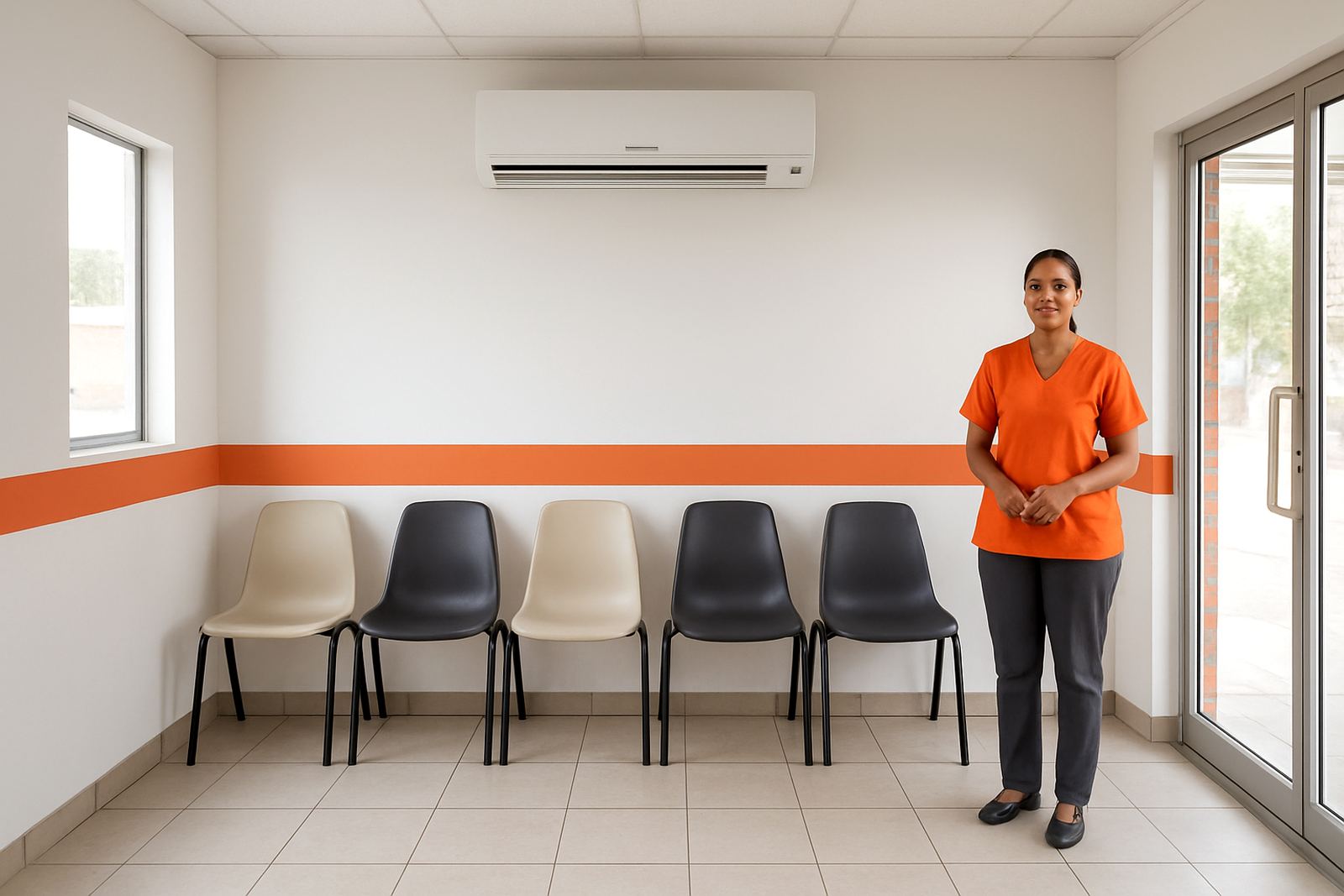
- Offices and reception areas: quieter cooling and cleaner airflow
- Hostels: mixed ventilation, cooling and hot water or water pressure support
- Stores and records rooms: temperature control to protect paper and equipment
Typical equipment we supply for schools
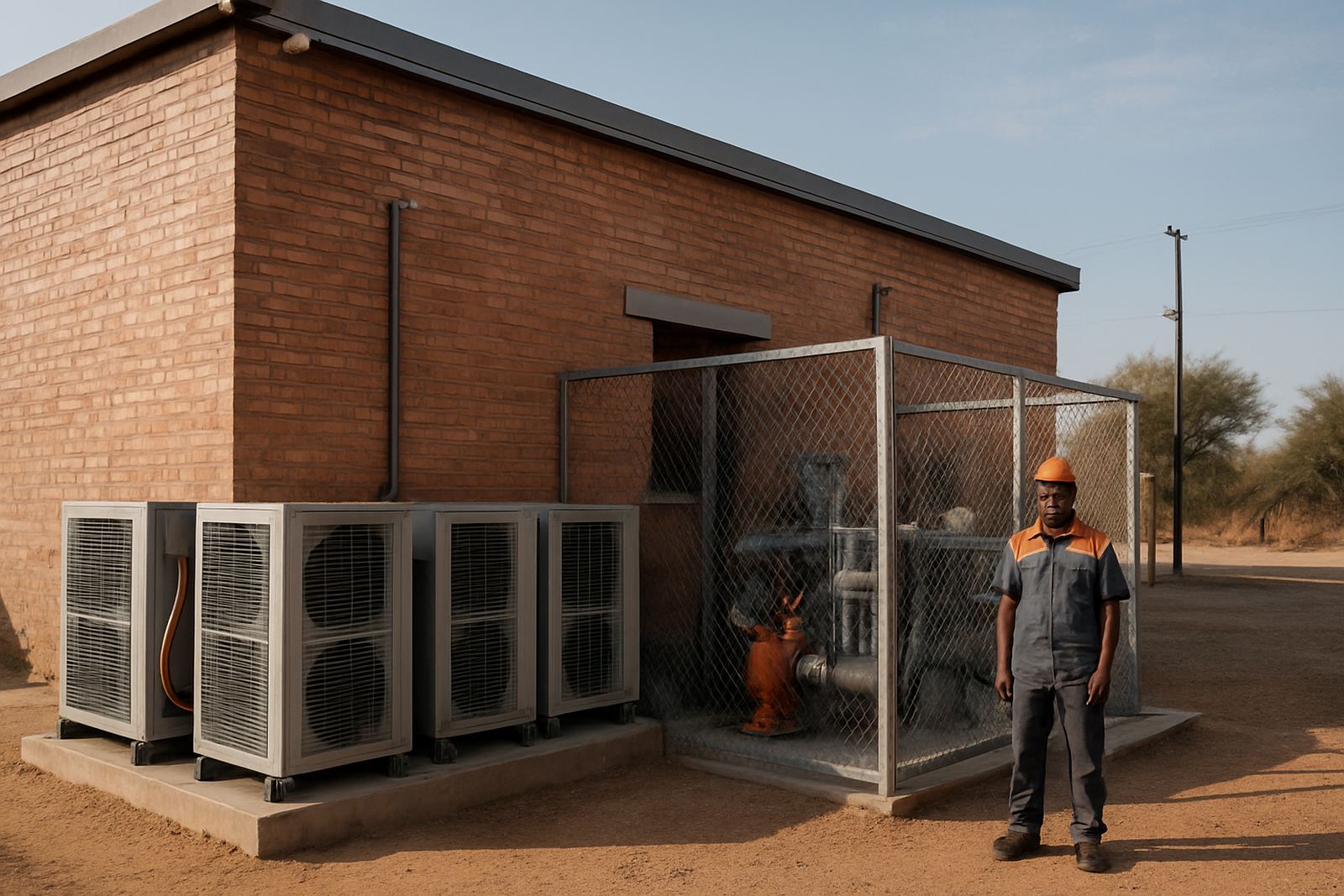
Most school projects use a mix of air-conditioning, ventilation and pumping equipment rather than one big system. For example, a row of classrooms may use split units or cassette units in selected rooms only, while the dining area or staff room gets stronger extraction and air movement. Where municipal pressure is weak, a pump set can keep ablutions, kitchens and cleaning points running properly.
For cold rooms in feeding schemes, science stores or tuckshop back-up storage, we can supply refrigeration components and support commissioning. On the power side, solar backup is often considered for critical systems such as office cooling, borehole pumps or small circulation loads during outages. The exact equipment depends on the school’s load, building layout and daily timetable.
- Air-conditioning units for classrooms, principals offices and sick bays
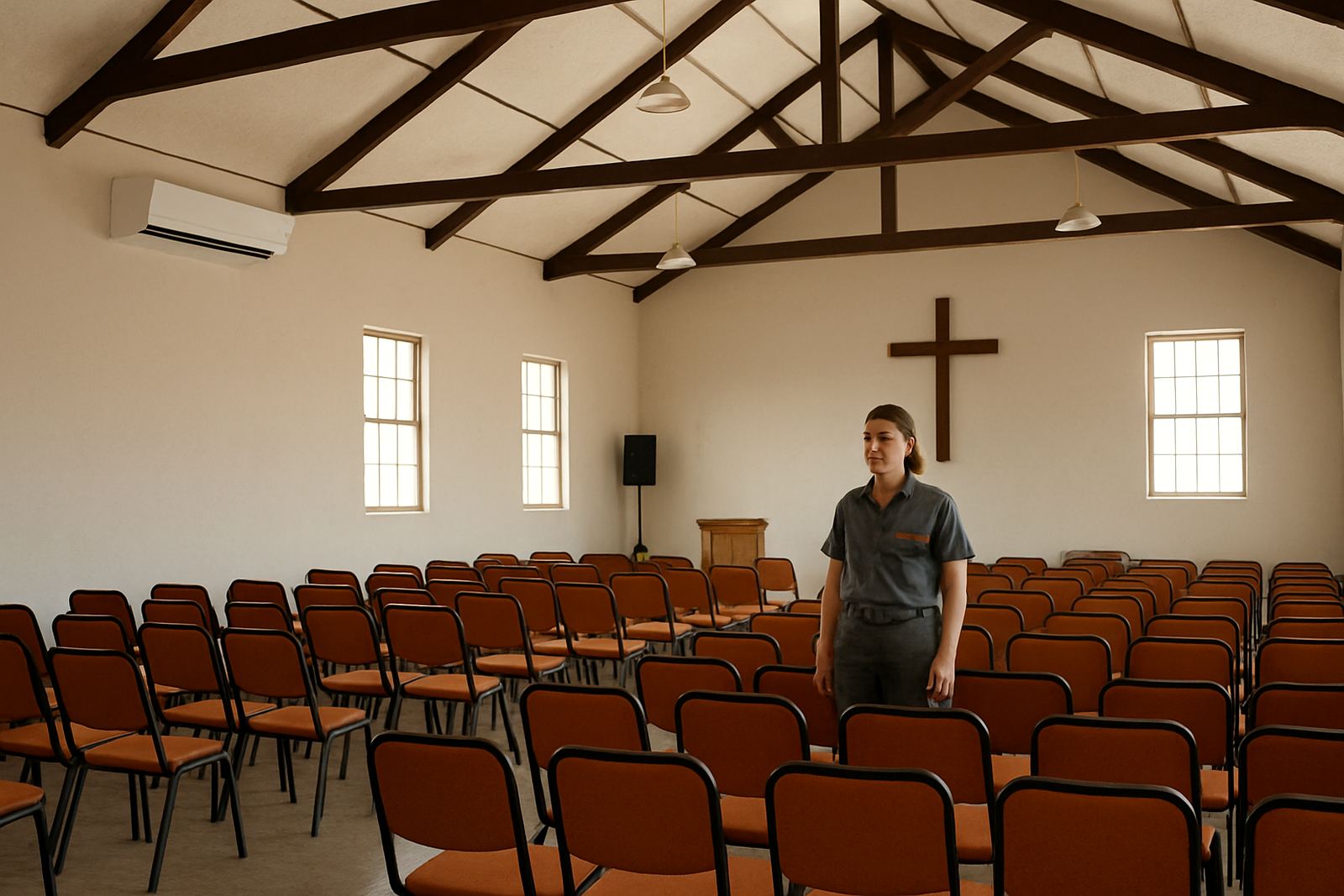
- Extraction fans and ducting for kitchens, labs and enclosed halls
- Pump sets for booster pressure, boreholes and tank transfer
- Solar backup for selected loads during load-shedding
- Refrigeration parts and service items for staff kitchens or food storage
Planning a school layout before anything is fixed
Good planning starts with where the heat sits and where people actually spend time. South-facing rooms may stay cooler, while west-facing classrooms can become unbearable by 14:00. High ceilings, louvre windows, old aluminium frames and blocked roof spaces all change the way air moves. If a school in Upington or Kuruman has a strong afternoon heat load, the cooling pattern should follow that pattern rather than just treating every room the same.
We usually advise schools to map three things before installation: occupancy, power supply and maintenance access. A unit placed where staff cannot clean the filter or reach the isolator will give trouble later. A pump that sits too far from the tank or without proper dry-run protection can cause repeated callouts. It is better to plan for access, weather and service work upfront than to patch things later.
- Allow clear service access around each unit and pump
- Keep condensers out of direct dust paths where possible
- Check roof strength for suspended or ceiling-mounted equipment
- Match cooling to room use, not just room size
- Include isolators, drainage and safe cable routes from the start
Common mistakes schools make with cooling and water systems
One common mistake is fitting too little capacity in a room that fills quickly. Another is cooling one room hard while the corridor and adjacent rooms stay hot, so doors remain open and the unit works harder than it should. Schools also lose money when filters are not cleaned, drains are left to block, or outdoor units are installed where they take direct sun and dust all day.
Water systems have their own problems. Pumps are often installed without a proper tank, without pressure control or without a plan for power cuts. In some cases the pump is correct but the pipework is too small, so the pressure falls away at the far end of the block. Good workmanship matters because a school cannot afford repeated downtime, especially during exams, feeding times or hostel peak hours.
Our workshop and field team can help with repair, commissioning support and practical fault finding. That includes checking why a system trips, why airflow is weak, or why water pressure drops late in the day. Small issues caught early usually cost much less than a full replacement.
Budget ranges schools can work with
Every site is different, but schools usually need a clear budget before they request quotes from governing bodies, district offices or procurement teams. A small classroom cooling job can start in the lower tens of thousands of Rand, while a larger multi-room project, hostel upgrade or pump system with controls will run higher. The final cost depends on building condition, cable runs, access height, pipe lengths and whether the school wants standby power added.
As a practical guide, many schools budget separately for supply, installation and maintenance. That makes it easier to phase work over a term break or over more than one financial year. It also helps when a school wants to start with the hottest rooms first and add the rest later. If you are working with municipal compliance or school board approvals, a phased plan is usually easier to motivate than one large once-off spend.
- Single-room cooling and basic installation: lower tens of thousands of Rand
- Several classrooms plus office cooling: mid tens to low hundreds of thousands
- Pumps, tanks and pressure control: budget according to flow, head and pipe distance
- Solar backup for selected loads: cost depends on run time and battery size
Local support for schools across Kimberley and the Northern Cape
Modern Equipment has been serving Kimberley since 2002 from New Park, with support across New Park, Roodepan, Galeshewe, Kuruman and Upington. That local base matters because schools often need parts, follow-up work and quick answers during the term. When a classroom unit fails on a hot Thursday, or a pump starts losing prime before sports day, the response has to be practical and fast.
Our team includes sales, workshop, projects, parts and field service support, so schools do not have to juggle five different contacts for one job. We can assist with aircon installation, servicing, refrigeration repairs, cold room builds, ventilation installations, pump installations, pump repairs, solar backup installation, auto aircon service and commissioning support. For school work, the aim is simple: keep people comfortable, protect equipment and reduce unnecessary downtime.
If you need a site walk-through, a repair assessment or a phased budget for classrooms, hostels or admin blocks, we can help you plan it properly. Schools do best with systems that are easy to service, sensible to run and suited to Northern Cape conditions.