Cooling for services that fill up fast
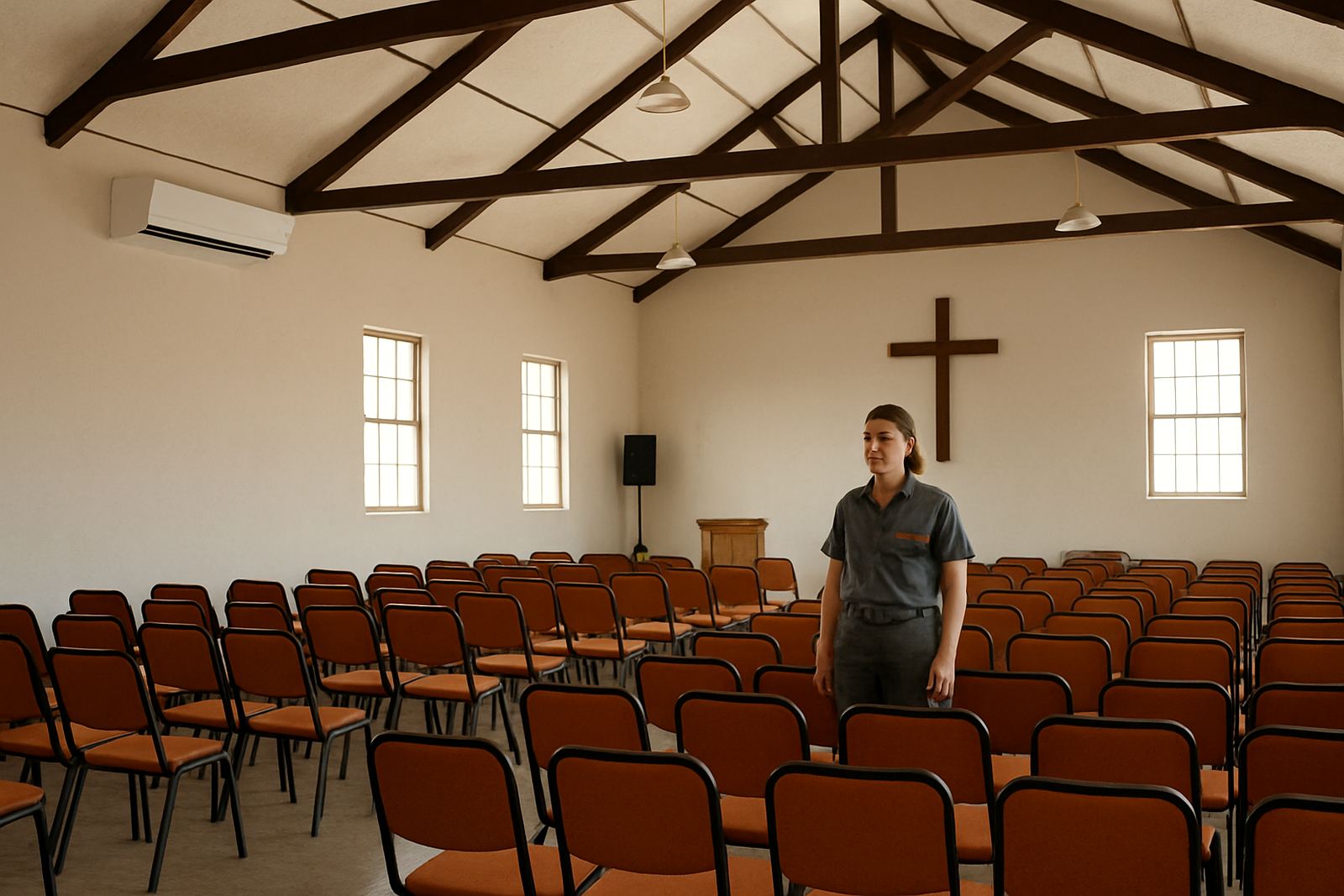
A church is not like a fixed office space. One service may have 40 people in the pews, the next may have 180, with doors opening and closing, choirs adding heat, and children moving between halls. In Kimberley the dry heat can climb quickly in summer, while winter mornings need equipment that starts cleanly and does not leave the front rows cold. The aim is simple: steady comfort without noisy units or wasted power.
For many churches the main need is not only cooling. It is air movement, better distribution, and backup planning for load-shedding. That is why we look at the building as a whole, not just one room. The size of the nave, ceiling height, roof material, window shade and the number of services all matter before any equipment is chosen.
Typical equipment for sanctuaries and halls
Most church projects use a mix of cooling and ventilation equipment rather than a single large unit. The right set depends on the room shape, but these are common choices for worship spaces and fellowship halls.
- Split or ducted air-conditioning for sanctuaries, pastors rooms and offices
- Ventilation fans for fresh air movement in halls and toilets
- Air curtains or lobby fans where doors stay open during busy periods
- Cold room units where church kitchens or food stores need stable temperatures
- Solar backup support for essential cooling during outages
- Pumps where water storage or drainage support is needed on site
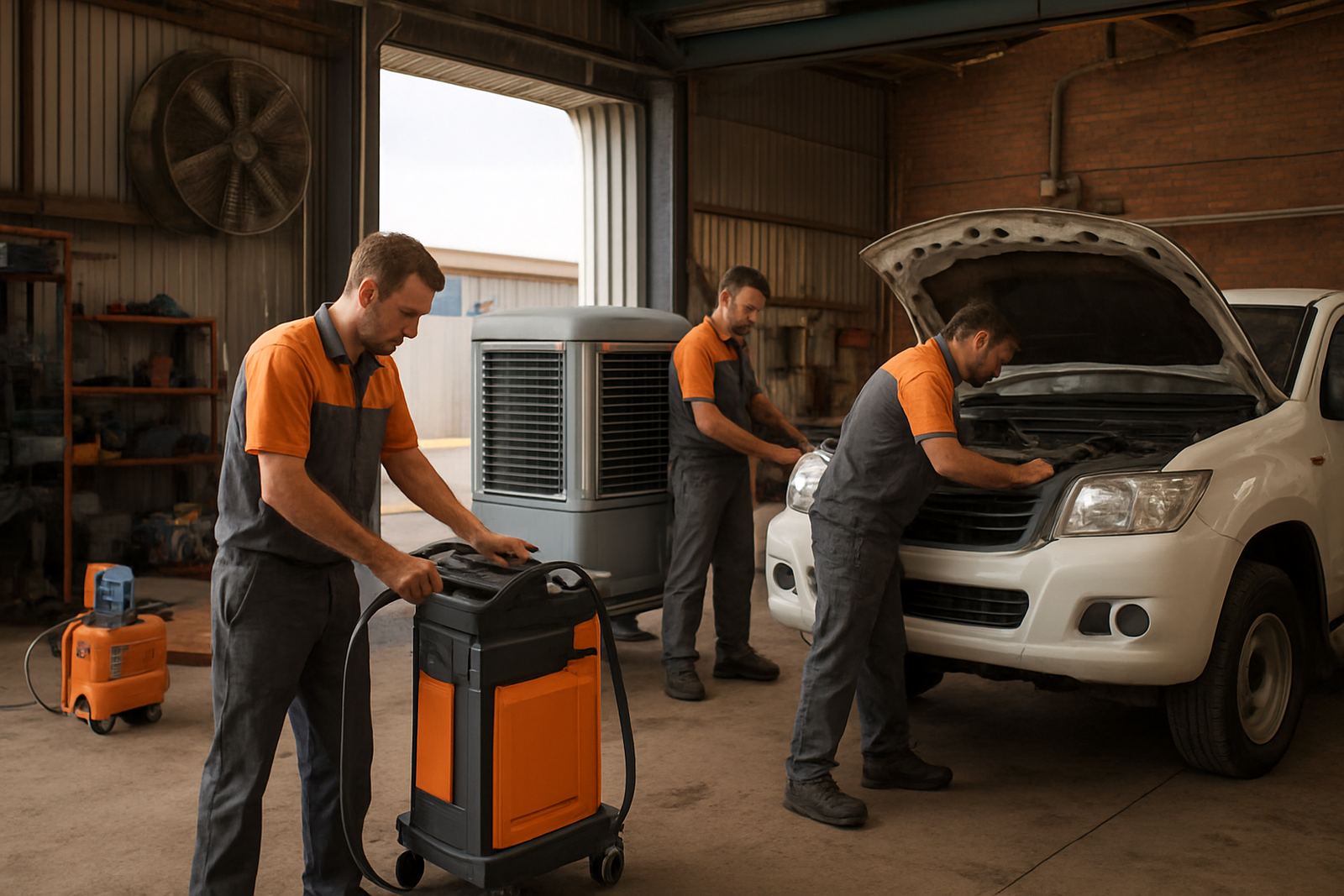
We also supply HVAC tools, so installation teams and maintenance staff can keep filters, drains and gas lines in working order. For churches that host funerals, meetings and weekday groups, a practical spare parts plan helps avoid last minute disruptions.
How to plan the layout before buying equipment
Good layout planning saves money. A sanctuary with a high ceiling and side aisles will often need different airflow than a low multipurpose hall. If the building has a stage, choir loft or altar area, that section may need careful air direction so microphones, candles and fabric are not affected by strong drafts.
We normally look at entry points, window position, roof heat and where people sit for the longest time. In places like Roodepan and Galeshewe, dust control is also worth considering. In Kuruman and Upington, where temperatures can push up hard, it often makes sense to separate the main worship area from offices and classrooms so each space can be run on its own schedule.
Planning should also allow for maintenance access. Filters must be reachable, drains must slope correctly and outdoor units should not sit where security gates, traffic or vandalism create problems.
- Measure the room in metres, not guesswork
- Note ceiling height and any exposed roof sections
- Check how many people use the space on a normal Sunday and on busy services
- Record where doors stay open and where heat builds up fastest
- Allow space for servicing without ladders over seating
Common mistakes that cost churches money
One of the biggest mistakes is fitting a unit only for the largest service and then running it flat out every day. That pushes power use up and can leave smaller meetings too cold. Another mistake is putting in cooling without proper ventilation, which leads to stale air and poor comfort even when the room feels cooler.
We also see systems installed with poor condensate drainage. In churches this is often missed until water marks appear on walls or carpets, especially near side rooms and entrances. Long pipe runs without proper support can also cause trouble later. If the church hall is used for lunch or community work, the equipment needs to handle door opening and people moving in and out all day.
For coastal humidity elsewhere in the province it is wise to specify units and fittings that handle corrosion better, but even in Kimberley dust and heat can shorten life if filters are not cleaned. A simple service plan prevents many of these issues.
Budget ranges for church projects in Rand
Every building is different, but church budgets often fall into a few practical bands. Smaller rooms and office areas can be handled at a lower cost, while larger sanctuaries need more planning, more pipework and often more than one unit. The figures below are a useful starting point for discussion.
- Small office, prayer room or nursery: from about R8 500 to R18 000 per room
- Medium hall or meeting room: from about R22 000 to R55 000
- Large sanctuary with multiple units or ducting: from about R60 000 to R180 000+
- Ventilation add-ons, fans and controls: from about R4 500 to R25 000
- Solar backup support for essential loads: from about R35 000 upward, depending on run time
Install cost depends on cable length, roof access, mounting height and whether the building needs electrical upgrades. If the church already has older equipment, repairing and reworking the setup may be more cost-effective than a full changeout.
Support for churches across Kimberley and the Northern Cape
Modern Equipment is based in New Park, Kimberley and supports churches across New Park, Roodepan, Galeshewe, Kuruman and Upington. Our team handles installation, servicing, repairs and commissioning support, with practical attention to dust, heat, power cuts and weekly use patterns.
That includes guidance from Lerato Mokoena in sales, Pieter Johannes Botha in the workshop, Ayanda Ndlovu on projects, Charlene Daniels in parts and stores, Thabo Molefe in field service and Nadia September in customer support. Under the direction of Marius Jacobus van der Merwe, we keep the approach straight forward: size the job properly, plan for upkeep and fit equipment that suits the building, not just the brochure.
For churches that also need pump work, auto aircon support, solar backup or refrigeration on site, it helps to deal with one local supplier who understands the full property. Send the room sizes, photographs and service times, and we can help work out a sensible plan.