Packhouse conditions in Jan Kempdorp
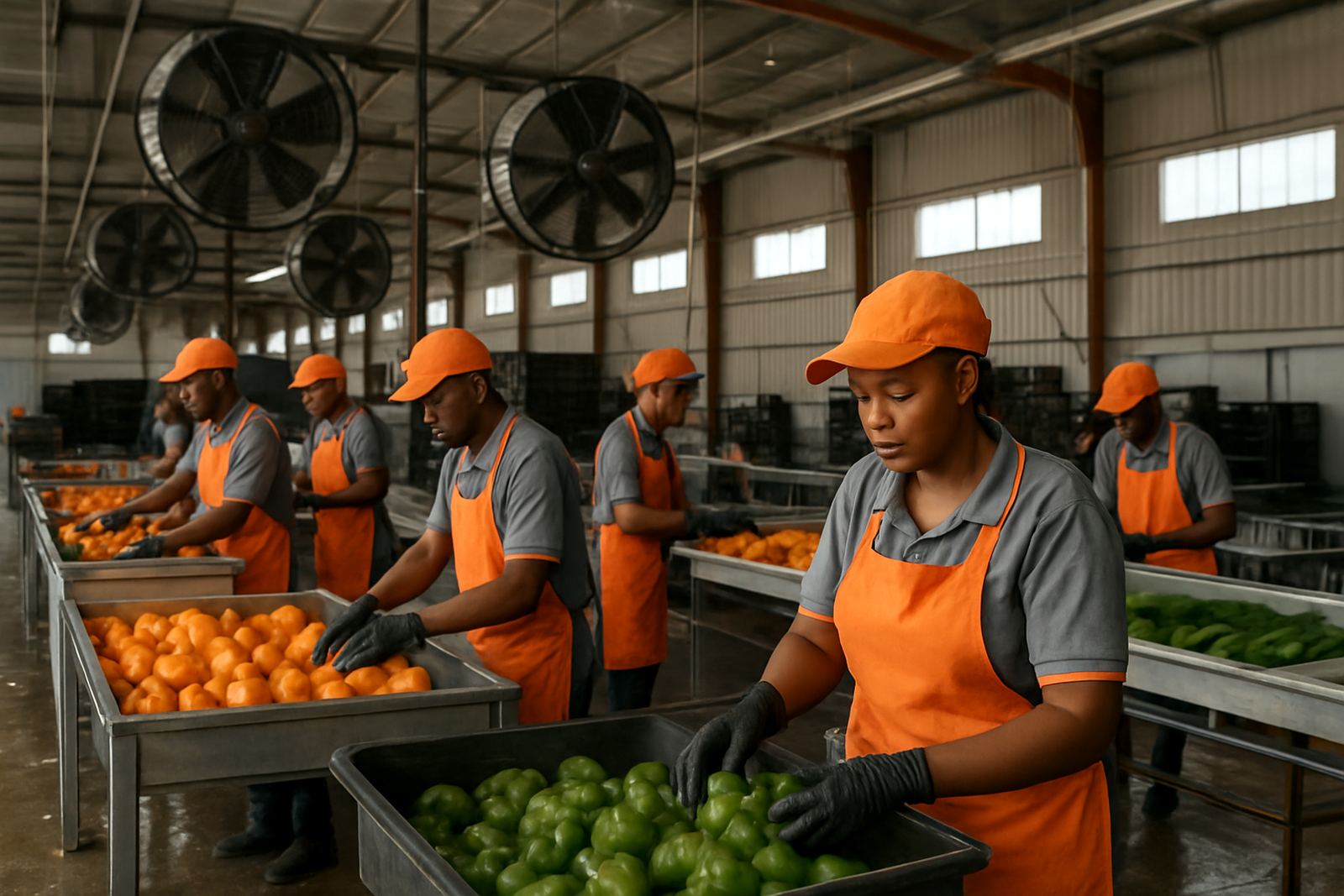
This project came from a produce handling packhouse in Jan Kempdorp that works hard during the harvesting season and then runs lighter for the rest of the year. The building had warm internal air, uneven movement through the sorting and staging areas, and pressure points around loading doors where heat and dust were getting in each time forklifts and workers moved in and out.
The client needed a practical answer, not a fancy one. Product quality depends on keeping handling areas cooler and keeping air moving over staff, crates and staging lines, especially when outside temperatures climb well above 30 degrees C in the Northern Cape. The packhouse also had to keep going through power cuts, so any cooling or ventilation support had to work with generator changeover and staged operation.
What the brief called for
The brief was to improve comfort for staff, help protect packed produce during transfer, and reduce hot spots near the intake, dispatch and grading areas. The client asked for a system that could be serviced locally, with parts that are easy to source and equipment that can cope with dust, frequent door cycling and long operating hours.
- Improve air circulation across the sorting floor and staging lanes.
- Support cooler conditions without overloading the site electrical supply.
- Reduce stale air build-up in enclosed work zones.
- Allow staged use during load-shedding and after-hours cleaning.
- Keep maintenance simple for a busy seasonal site.
We also had to work around the packhouse schedule. Produce intake could not stop for long, and the client wanted the installation to happen in sections so the building could stay usable while work was underway.
Site constraints we worked around
The biggest issue was airflow management in a building that opens and closes all day. Doors at the dispatch side were often open for delivery trucks, which meant warm air and dust could enter quickly. The roof space also had limited access in places, so equipment placement needed to avoid maintenance headaches later. A few areas had older cabling and mixed electrical circuits, so we had to keep the load balanced and avoid unnecessary start-up surges.
Because the town can see dry, dusty conditions and sharp temperature swings, filters and fan locations needed proper thought. We kept sensitive components away from direct dust paths, and where possible we used mounting points that would not interfere with forklifts, pallets or cleaning crews. A small part of the work was done after hours, and that helped the team keep moving, no one wanted a full shutdown.
- Seasonal peak pressure and limited shutdown windows.
- Open door traffic at loading bays.
- Dust infiltration from the yard and surrounding access routes.
- Need for generator-friendly staged operation during outages.
Ventilation and cooling package supplied
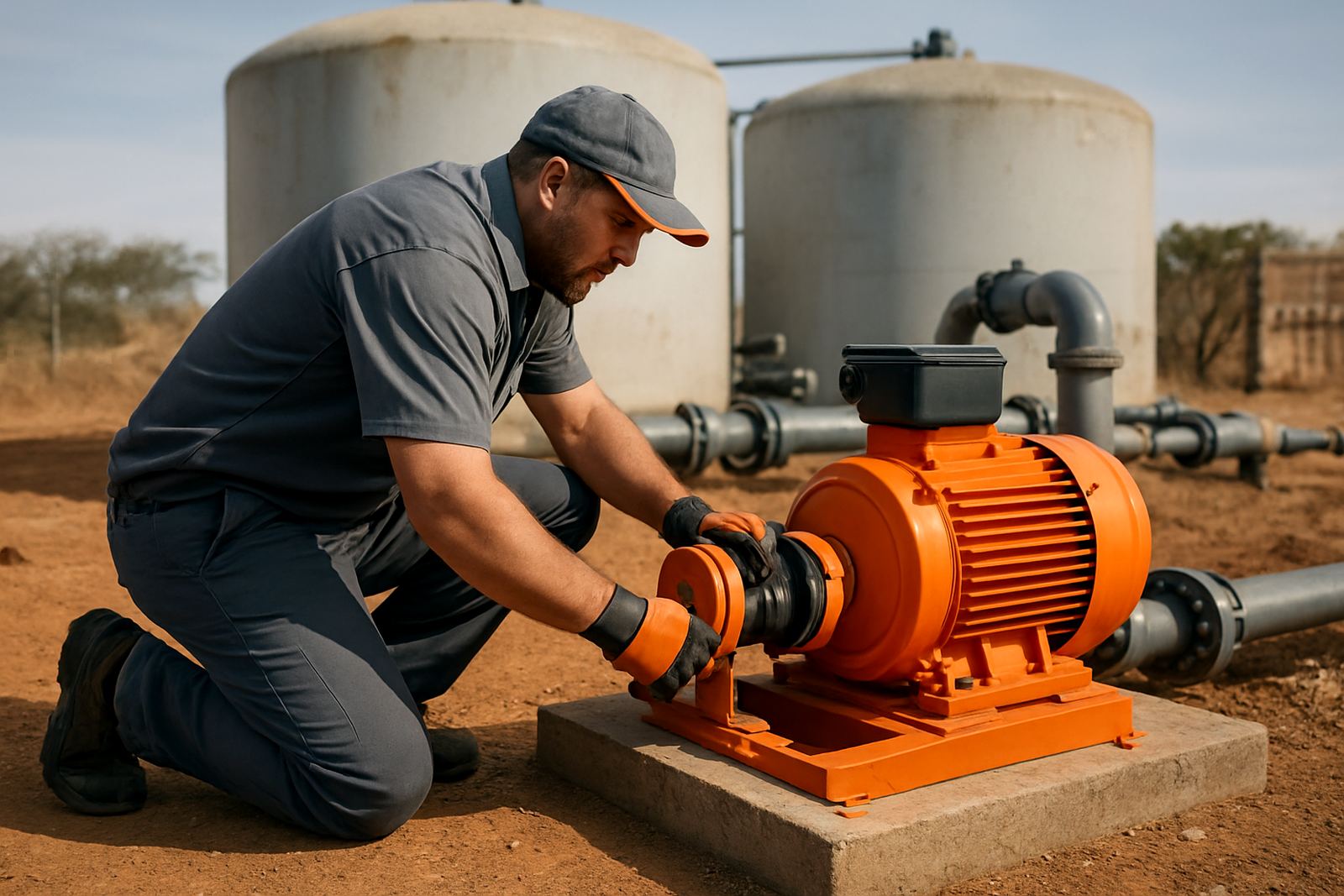
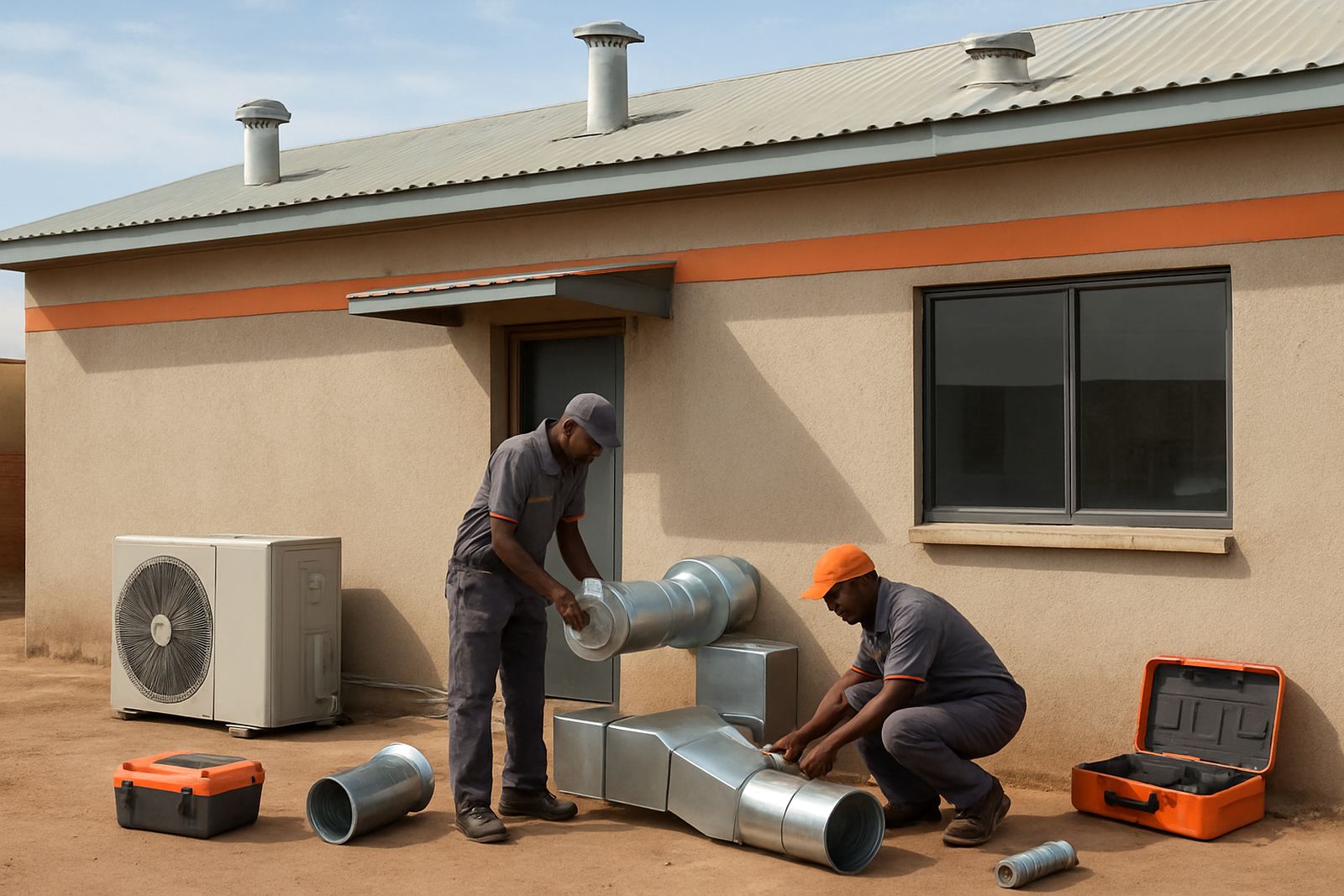
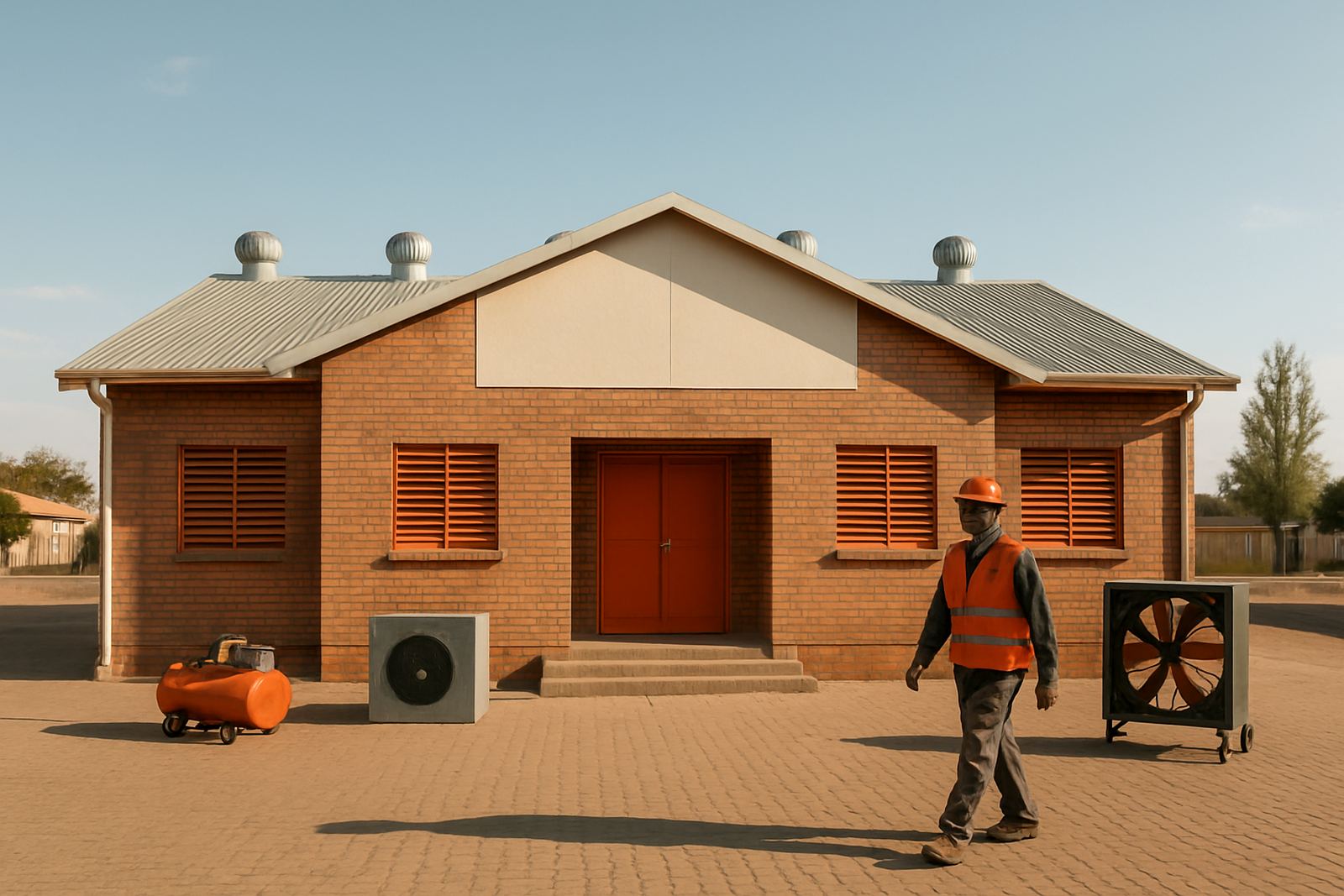
We supplied and installed a practical mix of ventilation and cooling equipment sized to the work areas. The package included high-volume extraction and circulation fans, wall-mounted air-moving units for the internal lanes, and cooling support for the most sensitive handling zones. Where needed, ducting and mounting frames were installed to direct air across work areas instead of wasting it into open roof space.
For refrigeration-related support, we checked the existing cold-side equipment and made sure the ventilation changes would not fight against the cooling rooms. That included confirming clear airflow around condensers, checking service access and setting up the installation so maintenance teams could get to key points without moving pallets around first.
- High-volume axial fans for general air movement.
- Extraction points for warm air removal near the top of the building.
- Air circulation units for pack and staging areas.
- Ducting, brackets and isolation fittings where required.
- Electrical tie-in, controls and commissioning support.
Timeline from first visit to handover
The job ran over four weeks from the first site visit to final handover. Week one was the inspection and load assessment, plus measuring the building and checking the electrical supply. In week two we completed material orders, prepared brackets and control components, and set the install plan around the packhouse operating hours. Week three covered the main installation and electrical connection work. Week four was commissioning, airflow checks and staff handover.
That schedule gave the client enough time to keep operations moving and to test each section as it came online. We also used the final week to make minor adjustments to fan direction and control settings, because packhouses often need a little tuning once the real seasonal flow starts. It was a proper working site, so communication mattered and the team kept everyone informed at each step.
Results once the system was running
Once the system was commissioned, the main improvement was immediate air movement across the floor and less heat build-up at the intake and grading points. Staff reported a more workable environment during busy shifts, and the client saw less stagnant air around produce holding areas. The cooling support also helped the packhouse stay steadier during afternoon peaks, when the outside heat tends to push conditions up fast.
The other useful result was operational control. Because the equipment was set up in sections, the client could run only the areas needed for the day instead of switching everything on at once. That helps with power use and makes the site easier to manage during load-shedding or generator running. Small detail, but it matters when the packhouse is full and the trucks are already waiting.
- Better airflow across working and staging zones.
- Lower heat concentration near doors and busy lines.
- Improved comfort for staff on long shifts.
- More controlled operation during outages and peak periods.
- Easier ongoing maintenance through clear access points.
What we would repeat on the next packhouse
On a similar site we would do the same things again: split the work into phases, confirm electrical loading early, and place equipment where maintenance crews can reach it without disruption. We would also keep the airflow plan tied to the building layout rather than the equipment alone, because packhouses change with the season and one bad air path can undo a lot of effort.
For busy agricultural sites in Jan Kempdorp, Kimberley, Upington and the wider Northern Cape, the right answer is usually practical, not complicated. Keep the air moving, protect the product path, and make sure the system can survive dust, heat and outages. That is the kind of work we do every week for commercial sites, farms and industrial yards across the region.
Key facts
| Project type | Ventilation and cooling support for a produce packhouse |
|---|---|
| Town | Jan Kempdorp |
| Timeline | 4 weeks from site visit to handover |
| Main scope | Air movement, extraction, cooling support, electrical tie-in and commissioning |
| Operating concern | Seasonal peak loading with load-shedding and dust exposure |
| Outcome | Improved airflow, steadier working conditions and easier day-to-day control |