

What Commissioning Includes
Home / News / What Commissioning Includes

News

What Commissioning Includes

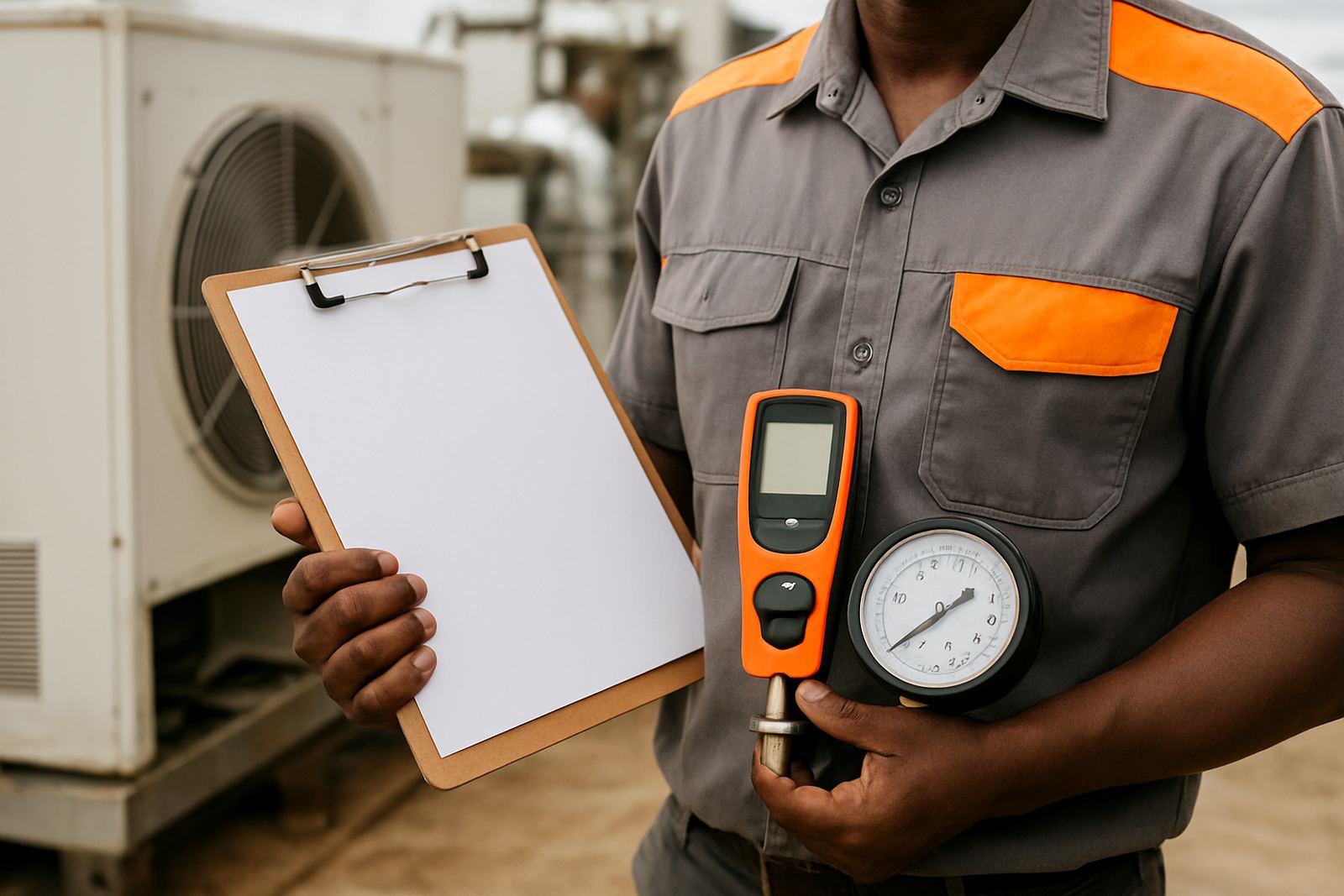
Commissioning is the final set of checks done before a new system is handed over, so it starts up properly and runs to spec. For Kimberley sites, that means checking performance in heat, dust, voltage swings and the kind of conditions that can trip up a hurried install.

Why Commissioning Matters Before Handover

Commissioning is not a quick switch-on and a hand shake. It is the stage where the installer proves that the system is safe, set correctly, and ready for day-to-day use. On an air-conditioning job in New Park or a cold room fit-out in Upington, that final check can be the difference between steady operation and repeat call-outs after the first hot spell.

In the Northern Cape, equipment often has to cope with long runs, strong sun, dusty spaces and power interruptions. A unit that has not been commissioned properly may cool unevenly, trip on start-up, or run harder than it should. That pushes up running cost and shortens component life. A proper handover should remove those risks as far as possible, not hide them.

Commissioning also gives the client one clear point of contact for what was done, what was tested, and what settings were left in place. That record helps later if a fault comes up or if the building manager needs to know how the system was set up from day one.

What a Basic Commissioning Visit Normally Covers

The exact scope depends on the system type, but a solid commissioning visit usually covers the same core items. For example, with a split aircon or ducted unit, the technician will check the refrigerant circuit, electrical supply, drainage, controller setup and airflow. With pumps, solar backup or refrigeration plant, the list changes but the thinking stays the same: confirm that all parts are connected, operating and matched to the job.

  • Visual check of all installed equipment, supports and fixings
  • Verification of wiring, isolators and protection devices
  • Pressure, leak and vacuum checks where applicable
  • Start-up test and confirmation of normal running current
  • Temperature, airflow or pressure readings against expected values
  • Drainage checks, noise checks and vibration checks
  • Controller, thermostat or timer setup
  • Client handover notes and operating guidance

That list may sound simple, but each item catches a different type of problem. A loose electrical connection might not show itself until the load rises. A drain line with poor fall may seem fine for ten minutes and then start leaking once the unit settles into steady running. Commissioning is where those issues are found, not after the ceiling has been closed.

Cooling Systems Need More Than Cold Air at the Vents

With air-conditioning, people often judge the job by whether the air feels cold. That is only part of the picture. Proper commissioning checks the unit against the room size, heat load and intended use. A meeting room, shop floor and small office all need different settings. If the airflow is wrong, the room can feel draughty in one corner and stuffy in another, even when the temperature reading looks fine.

Technicians will usually confirm supply and return air arrangement, fan speeds, thermostat location and drain routing. They may also check that service access is practical, because a unit tucked into an awkward spot becomes harder to maintain later. In Kimberley, where dust and dry wind can build up quickly, correct filter fitment and easy access matter more than people expect. Small gaps and weak sealing often show up after the first dusty week.

If the installation includes multiple indoor units or a larger system, balancing is important. One room should not get all the cold while the next room waits. Commissioning helps set that balance before the client takes over the controls and starts asking why one area is freezing and another is not.

Cold Rooms and Refrigeration Plant Need Stability

Refrigeration commissioning is more exacting because product safety can depend on it. A new cold room in Kuruman or a retail fridge line in Galeshewe has to reach and hold its design temperature without short cycling or icing problems. That means checking compressor operation, control settings, door seals, insulation details, fan direction and defrost cycle settings.

For a cold room build, the handover should include a temperature pull-down test, checks on door closure and confirmation that internal circulation is even. If there are alarms, them they should be tested before the site goes live. If the room will be used for meat, dairy or produce, the load pattern matters too, because empty-room readings can hide a problem that appears once stock is added.

  • Confirm target temperature and acceptable tolerance
  • Test door seals, strip curtains and latch operation
  • Check defrost timing and drainage from the evaporator
  • Listen for fan rub, vibration or abnormal compressor noise
  • Verify that controllers and alarms are set for site use

In a commercial setting, these checks protect stock and reduce emergency call-outs. They also help the owner understand what normal cycling sounds like, so a small change can be spotted early instead of being ignored until the system fails.

Electrical, Water and Solar Checks Must Match Local Conditions

Many systems in the Northern Cape rely on more than one utility. A pump installation may need correct pressure settings and dry-run protection. A solar backup setup has to handle load-shedding changeovers without overloading the inverter or draining batteries too far. Commissioning brings all of that together and confirms the system behaves properly when the power drops or returns.

On electrical checks, the technician should confirm supply voltage, phase balance where relevant, cable sizing and protection. On water pumps, the prime, flow and cut-in settings matter just as much as the motor nameplate. On solar backup, the settings for charging and switchover need to suit the actual site use. If the building draws more power at start-up than expected, that must be known before handover, not discovered during an outage.

A practical commissioning visit often includes a short live test under load. That gives the client a real picture of how the system behaves when the lights go off or the demand rises. It is better to spend an extra hour on site than to lose a night’s production because one setting was left on the factory default.

What the Client Should Receive at Handover

A proper handover is not only about the equipment. The client should also know how to use it and who to call if something changes. For a business in Roodepan, Upington or New Park, that may include after-hours contact details, filter-cleaning intervals, recommended service dates and any limits on operation. The person receiving the system should not be left guessing.

  • Operating instructions for day-to-day use
  • Set points, timers and control settings used at handover
  • Notes on maintenance intervals and filter cleaning
  • Warranty and service record details where applicable
  • Any site-specific warnings, such as access limits or shut-down steps

This is also the right time for the installer to point out normal noise levels, expected start-up delay and any seasonal changes the user may notice. A client who knows what normal looks like is less likely to panic over a minor change and more likely to call at the right time.

A Kimberley Example: New Shop, Tight Deadline

Picture a new small supermarket space in Kimberley that needs air-conditioning, a cold room and a backup supply for critical gear before opening day. The installation can look complete on paper, but commissioning is where the team finds out if the room reaches temperature quickly enough, if the drain lines fall correctly, and whether the backup changeover works when the load-shedding test is run. That last step is often the one that saves the owner from a very bad first trading week.

In a case like that, the team would typically work through the cold room pull-down, the aircon room balance, the electrical checks and the backup switchover as one sequence. If something is off, it gets corrected while tools are still on site. That is the practical value of commissioning. It turns a completed installation into a working system that is ready for the way the building will actually be used.

For the Northern Cape, where weather, dust and outages can all show up in the same month, commissioning is not an extra. It is part of doing the job properly, and it gives the client a better start from day one.

Questions we get asked

What is included in commissioning for an aircon system?

It usually includes electrical checks, refrigerant and drainage checks, start-up testing, airflow verification, controller setup and a handover of operating settings.

Do refrigeration and cold room jobs need separate commissioning?

Yes. Cold rooms and refrigeration plant need temperature, defrost, alarm and door seal checks, plus a proper pull-down test before handover.

Why is commissioning important for solar backup and pumps?

Because it confirms the system changes over correctly, protects the equipment under load, and matches the settings to the actual site conditions.

Planning something? Email the team.

info@modernequipment.co.za