Why backup power choices feel different in Kimberley
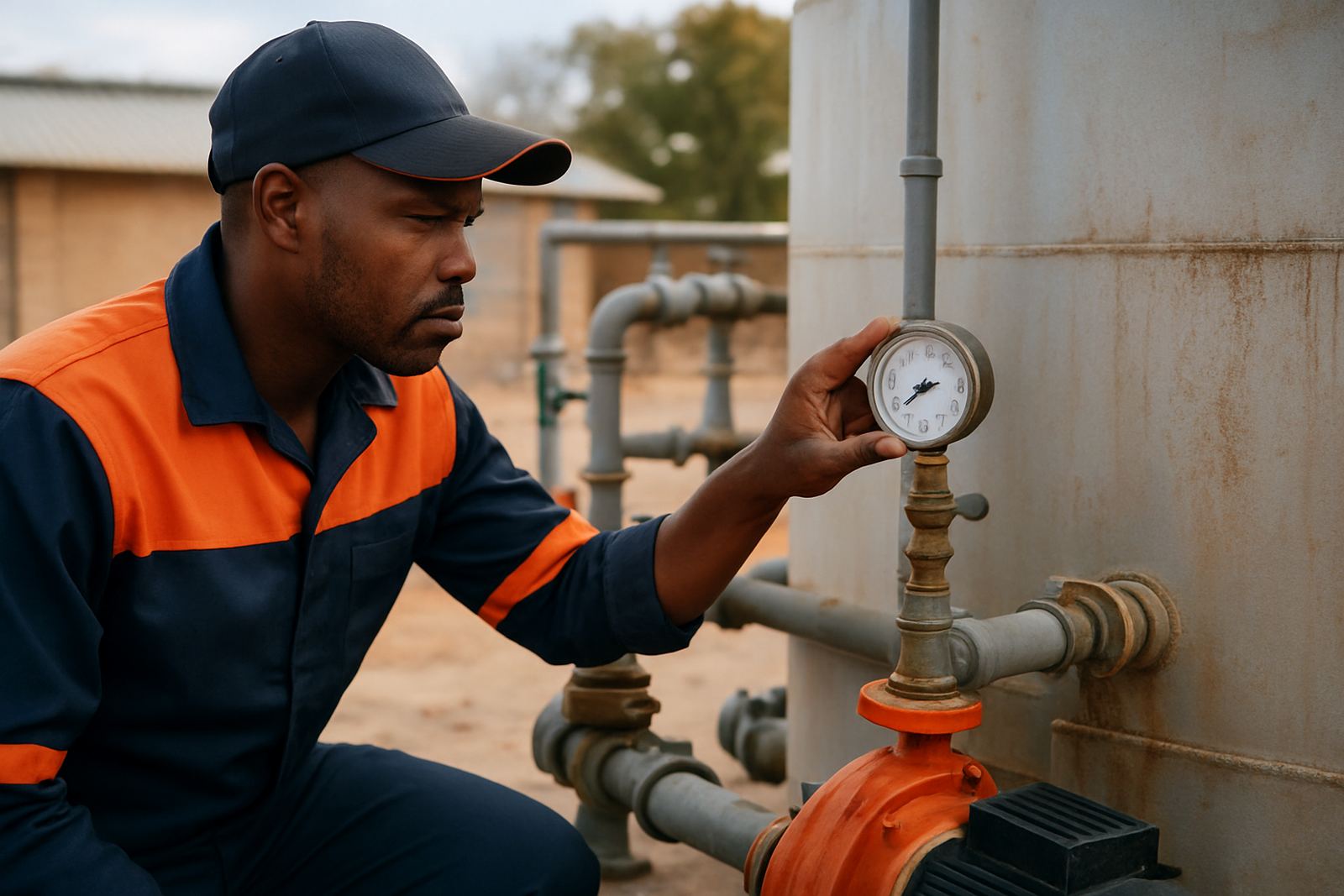
Backup power is not just about keeping the lights on. In New Park, Roodepan, Galeshewe and across Kimberley, businesses and homes also have to think about freezers, air-cons, borehole pumps, office computers and workshop tools. A short outage can spoil stock, stop production or leave a room too hot to work in.
The Northern Cape also brings its own conditions. Summer heat pushes cooling systems harder, dust gets into filters and panels, and long outages can stretch into repeated interruptions. That means the backup plan must suit the actual load, not just the idea of backup.
When a generator makes sense
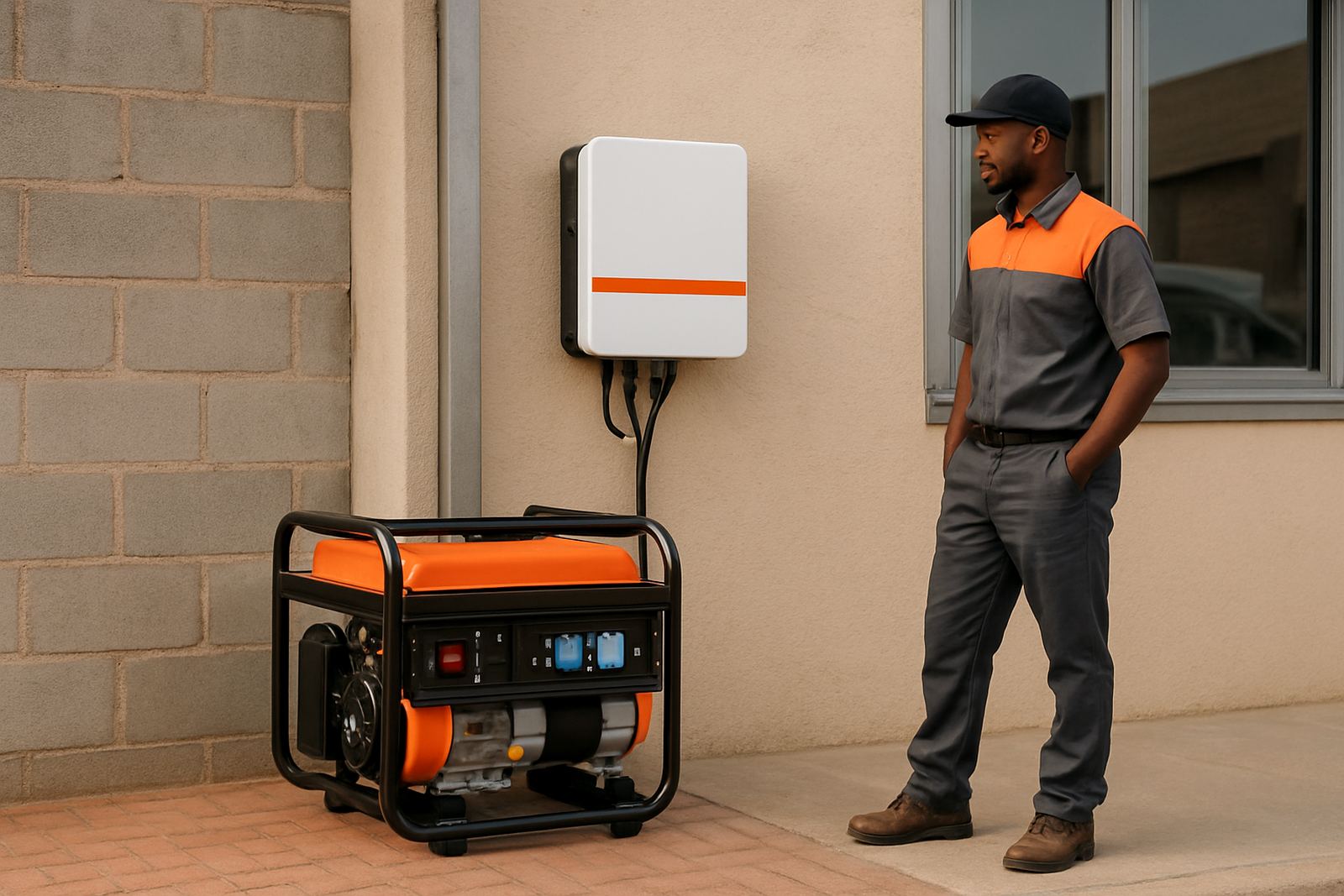
A generator is still a practical option where you need high starting power, long runtime and quick refuelling. It is often the simpler route for workshops, cold rooms, construction sites and small businesses that only need backup for a few hours at a time. If your site already has fuel handling in place, it can be easier to add a generator than to redesign the whole power setup.
- Useful for heavy starting loads like compressors and pumps
- Can run for long periods if fuel is available
- Works well where backup is needed immediately and often
- Needs regular servicing, oil checks and clean fuel
The trade-off is noise, fumes and ongoing running costs. In a residential area or a tight business yard, you also have to think about placement, ventilation and municipal by-laws. A generator that is too small will struggle, and one that is too large burns more fuel than necessary.
Where solar backup has the edge
Battery-supported solar suits users who want quieter operation and lower day-to-day running costs. Once the system is sized correctly, it can cover lights, routers, security, office equipment and selected refrigeration loads without the smell, fuel handling or engine noise of a generator. In a place like Kimberley, the sunlight is a strong advantage for charging during the day.
Solar backup is especially useful where outages are frequent but the load is moderate. It works well for homes, medical rooms, small offices and retail spaces that can separate essential circuits from non-essential ones. You do however need enough roof space, suitable wiring and battery capacity for the hours you expect to cover.
- Quiet and suitable for areas with noise concerns
- Lower running costs after installation
- Best for essential loads, not everything at once
- Battery life depends on correct sizing and use
The real comparison is not fuel versus solar, it is load versus runtime
People often ask which is better, but the better question is what needs to stay on and for how long. A generator can carry larger loads for as long as fuel lasts, while solar backup gives cleaner day-to-day use but limited storage at night unless the battery bank is large. If you need to run cold rooms, pumps and air conditioning all at once, a generator may be the better fit. If you mainly need continuity for essentials, solar is often the smarter choice.
For many sites the answer is a hybrid approach. Solar can carry the basics during ordinary outages and a generator can step in for extended blackouts or high demand periods. That gives more flexibility, especially where work stops if the supply drops for more than an hour or two.
A Kimberley example: a workshop in New Park
A typical New Park workshop might need lighting, a few sockets, a computer, an air compressor and security gates to keep working. If the compressor is the main pain point, a generator sized for start-up surge can be the fastest fix. But if the real issue is repeated outages during the day plus rising electricity costs, a solar backup system with batteries can reduce reliance on the grid and keep the office side running through load-shedding.
In one setup, the owner may choose solar for the office and security circuits, then keep a generator ready for tools and compressors. That split approach often makes more sense than trying to power every single item from one source. It also makes maintenance easier because each system has a clear job.
What to check before you buy
Before choosing either option, get a proper load list. Include starting current on motors, the running watts of each item and how many hours of backup are needed. A pump, fridge or aircon can draw far more at startup than it does once running, so the system must be planned with that in mind.
- List essential equipment only, then add the rest if budget allows
- Check whether the site has single-phase or three-phase supply
- Ask about ventilation, cable sizing and protection devices
- Allow for servicing, battery replacement and fuel storage
It also helps to think about the future. If you plan to add cold room capacity, more air conditioning or extra pumps later, the backup system should leave some headroom. Reworking a weak installation usually costs more than setting it up properly from the start.
Practical advice for Northern Cape conditions
Heat, dust and long cable runs can affect both generators and solar systems. Keep generator intakes clean, service moving parts on schedule and avoid putting equipment where it bakes in direct sun. For solar, make sure batteries sit in a cool, ventilated spot and that cabling is neat, protected and correctly sized. Small details matter, because poor maintenance shortens life fast.
If your operation is in Kuruman, Upington or right here in Kimberley, the best solution is the one that matches your load pattern, not a general rule. Generator backup can be the right answer for heavy, continuous demand. Solar backup can be the better answer for quieter, lower-cost essential power. In many Northern Cape sites, the practical answer is a bit of both.
Modern Equipment works with air-conditioning, refrigeration, pumps, solar backup and HVAC tools, so we understand how real loads behave in real buildings. That helps when choosing between a generator, solar backup or a combination setup that keeps your operation moving when the grid does not.