Why ice forms in a working system
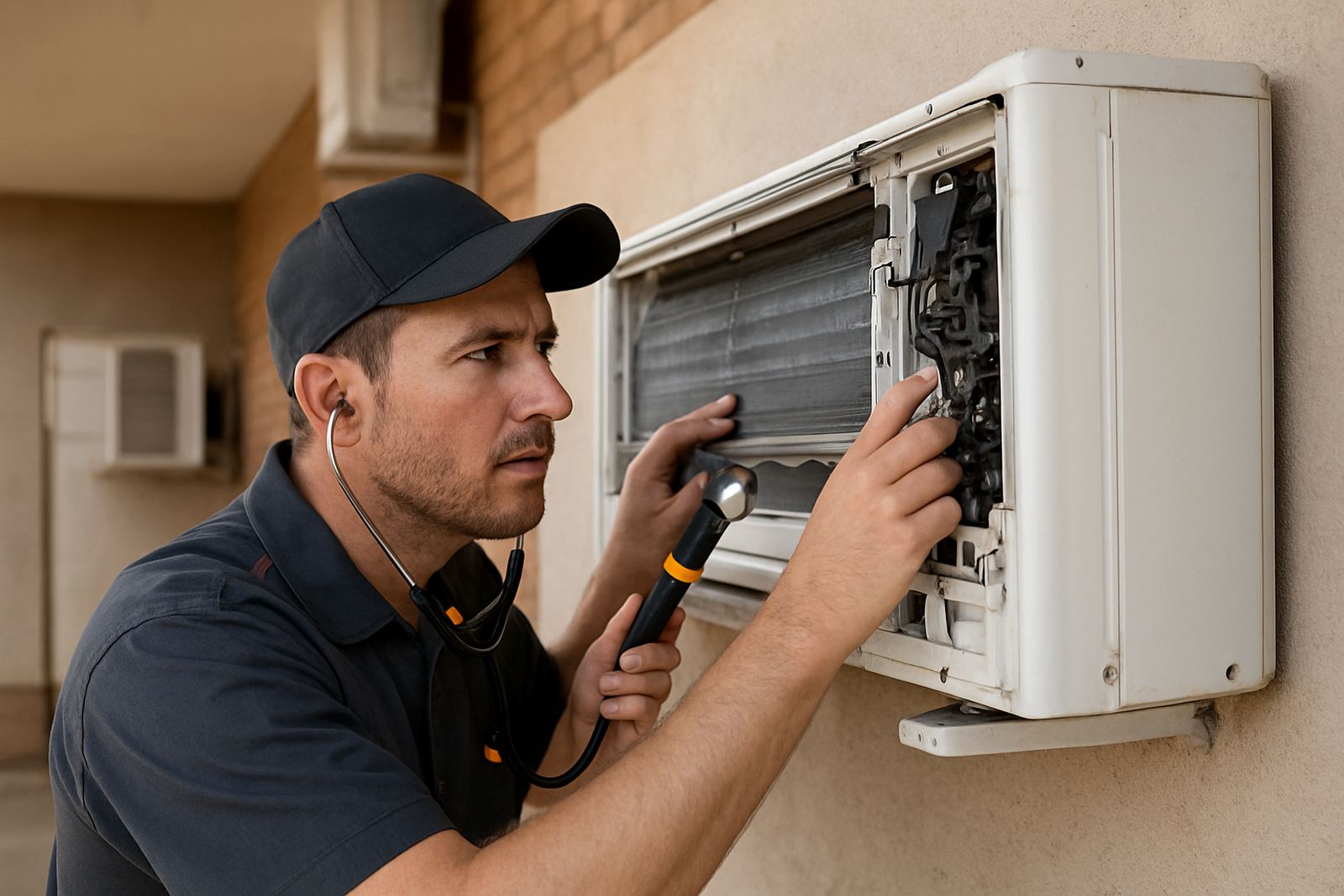
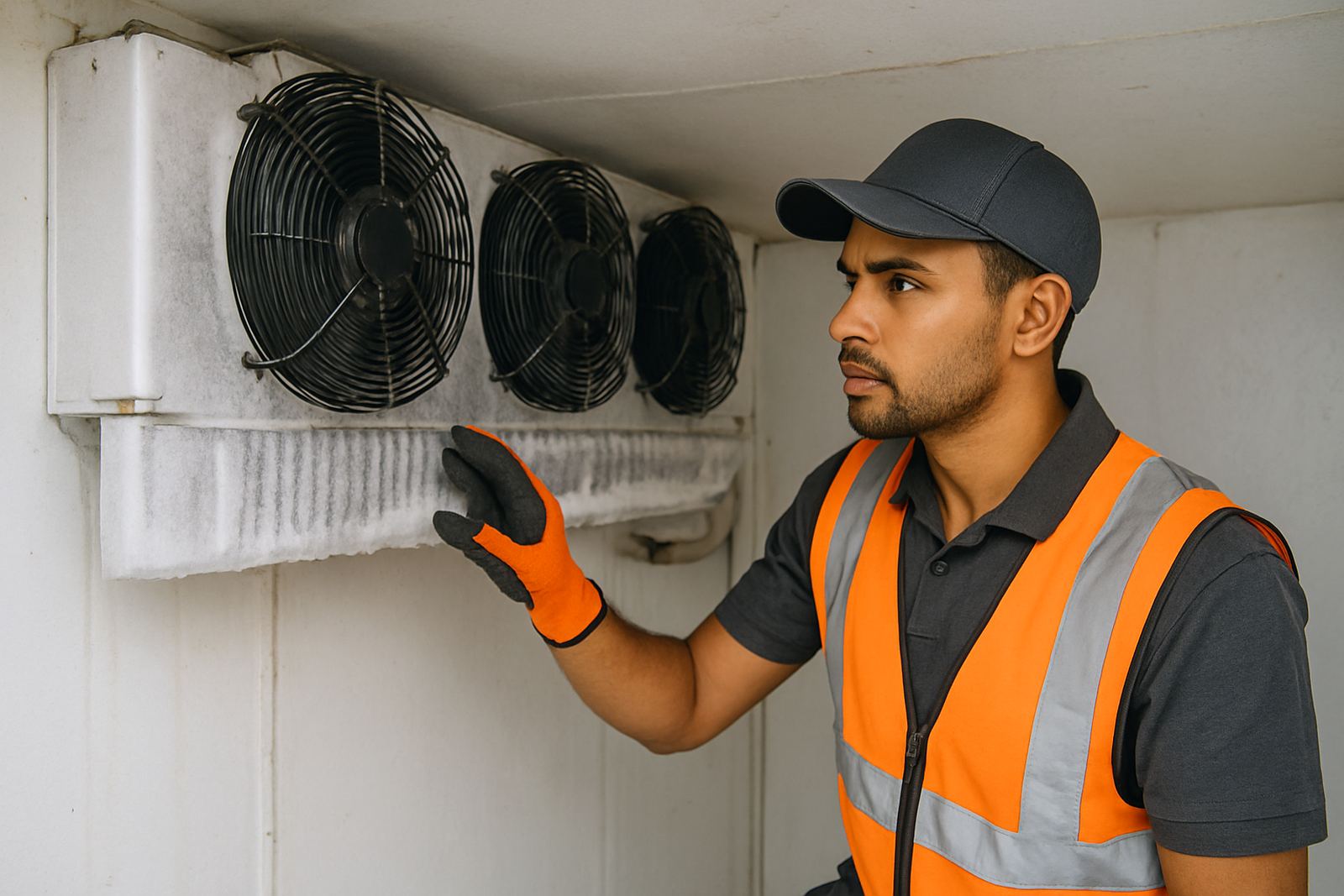
Ice build-up usually starts when the evaporator coil gets too cold for the amount of air passing over it. That can happen when the fan is weak, a filter is blocked, the door is left open too often, or the unit is low on refrigerant. Once moisture in the air hits that cold surface, it freezes and the layer grows. If it is left alone, the coil stops breathing properly and the cabinet or room starts losing temperature control.
In places like Kimberley, Kuruman and Upington, the day heat can be extreme, then nights can cool quickly. That change puts extra pressure on seals, drain lines and control settings. A system that was fine in winter can start icing up in summer if it is asked to run hard all day with poor airflow or sticky doors.
Check airflow before you chase bigger faults
Airflow is the first thing to look at because it is often the simplest fix. If air cannot move across the coil, the refrigerant inside the coil has no chance to warm up properly and ice forms quickly. Dirty filters, bent fins, packed product around air outlets and failed fans all contribute. Even a few cardboard boxes stacked too close can change the pattern enough to cause trouble.
- Clean or replace filters on a regular schedule.
- Keep return air and supply air paths open.
- Check that evaporator fans are running at full speed.
- Make sure the coil is not blocked by goods, dust or packaging.
- Confirm that doors, curtains and strip seals are closing properly.
In a cold room build in Galeshewe or a small store room in Roodepan, good airflow management is worth as much as the equipment size. A neat installation can still ice up if the load is packed too tightly against the air path.
Keep an eye on refrigerant charge and expansion settings
Low refrigerant charge can make the evaporator run colder than it should, which often leads to frost and then solid ice. The same can happen if the expansion device is set wrong or starting to stick. When a system is undercharged, the coil may frost in patches at first, then freeze over as the run continues. If that frost pattern keeps coming back after cleaning, the system needs a proper check.
It is tempting to keep topping up gas and hope for the best, but that can hide a leak and cause bigger damage later. Look for oily joints, loose flare nuts, damaged pipework and signs of vibration at brackets. A refrigeration circuit should be tested, repaired and charged to the correct level, not guessed at. On larger rooms and coolers, a small error can become a big energy bill by month end.
Drainage and defrost need more attention than most people give them
Once ice starts melting during defrost, that water has to leave the unit freely. If the drain is blocked, the tray can overflow and the next cooling cycle turns that water back into ice. In dusty Northern Cape conditions, drains pick up dirt, insect debris and scale quicker than many owners expect. A clogged drain is one of those faults that looks minor until the floor becomes wet and the cabinet starts icing again.
- Flush drain lines during planned service visits.
- Check drain heaters where fitted.
- Make sure the trap and fall are correct.
- Inspect the defrost timer, sensors and termination controls.
- Look for water pooling under the evaporator after defrost.
If a cold room in New Park keeps icing after every defrost, the issue may be a drain that freezes part way down the line. That is common when the pipe is poorly routed or too exposed to the cold air stream.
Operating habits that cause repeat icing
Some ice problems are not technical faults at all, they are daily use habits. Doors left open during loading, warm product put in too quickly, frequent short door openings and overfilling the space all add moisture and heat. The system then runs longer, pulls more humidity through the evaporator and builds ice faster. In a small butcher cooler or produce room, one busy morning can upset the whole cycle.
Staff training helps a lot here. People need to know that a door not closing fully, or a damaged strip curtain, can matter as much as a faulty component. If the room is opened ten times before 9 am, the best unit in the world will still work harder than it should.
- Load product in stages instead of all at once.
- Close doors properly after each use.
- Report damaged gaskets, hinges and latches quickly.
- Do not block sensors, fans or drain points.
A local example from a hot Northern Cape afternoon
A small food store in Upington called about a cool room that was frosting over every few days. The owner had already had the gas checked, but the problem kept coming back. On site, the real cause was simple: the evaporator fan was weak, one return vent was partly blocked, and the drain line was running flat for part of the route. During the afternoon peak, the room was opened often and warm air pulled straight across the coil.
Once the airflow path was cleared, the fan motor was replaced and the drain was rerouted with proper fall, the ice issue dropped away. The store still needed routine checks, but the system could now handle the daily load without turning the coil into a block of frost. That is the kind of fault that often looks like a refrigerant problem at first glance.
When to call for service before more damage is done
If ice keeps returning after cleaning filters and checking doors, the system should be inspected properly. Ongoing frosting can damage fans, strain compressors and raise running costs. It can also hide a more serious leak or electrical fault. The best time to act is when you first see a pattern, not after the room has already lost stock or the compressor has started cycling badly.
For Northern Cape businesses, planned maintenance makes a real difference because dust, heat and long operating hours are part of everyday life. A service visit can include airflow checks, coil cleaning, drain testing, refrigerant inspection and control checks. That gives you a better chance of keeping the system stable through summer pressure and load-shedding changes.
If you need practical help in Kimberley, New Park, Roodepan, Galeshewe, Kuruman or Upington, Modern Equipment can assist with refrigeration repairs, cold room builds, commissioning support and related servicing. The aim is simple: keep the unit cold, keep the ice out, and keep the business moving.