Submersible Drainage Pumps for Water Removal on Site
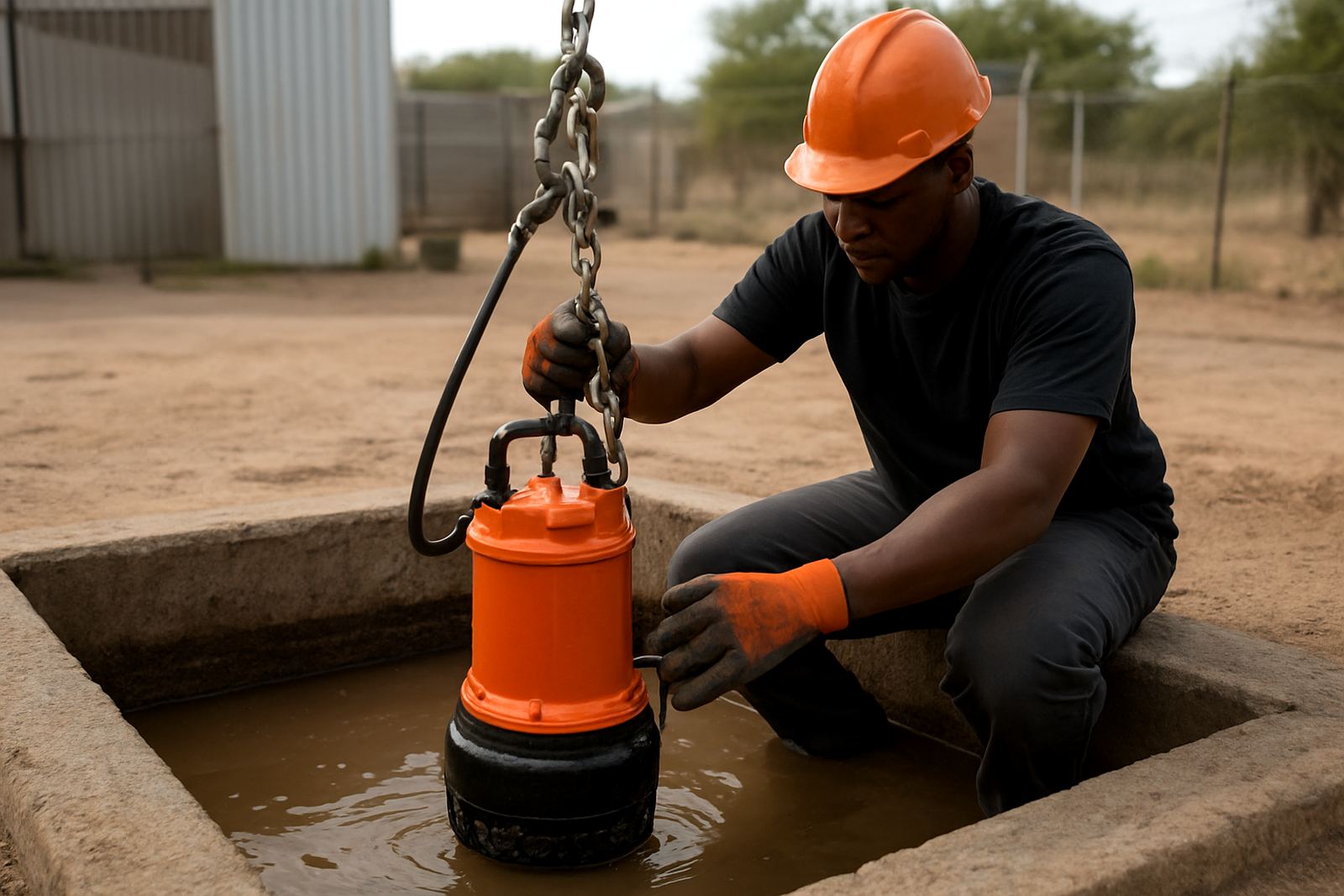
A submersible drainage pump sits in the water and pushes it out through a hose or pipe, which makes it ideal for pits, basements, sumps, bunds and other areas where water collects. These pumps are used for stormwater after heavy rain, washdown water, seepage and general site water management. In places like New Park, Roodepan, Galeshewe, Kuruman and Upington, that matters when a site needs to stay safe and workable after weather or drainage problems.
We supply pumps for light duty and continuous drainage work, with units chosen for clean water or water with small solids depending on the job. If you are dealing with a workshop pit, borehole overflow, building excavation or a flooded service area, a properly sized pump saves time and reduces damage to floors, wiring and stored stock.
Pump Sizes, Flow Rates and Head Options
Drainage pumps are normally selected by flow rate, delivery head and the type of water being moved. Flow rate tells you how quickly water can be removed, while head tells you how high the pump must push water. A short run into a drain is very different from lifting water up to a tank or over a boundary wall, so the pipe length and height both count.
- Small portable units for light sump work and emergency water removal
- Mid-size pumps for pits, wash bays and small stormwater jobs
- Larger units for site drainage, construction water and higher flow needs
- Options for clean water or dirty water with small solids
- Single-phase units for standard supply and three-phase units for heavier duty use
As a guide, many drainage jobs need pumps in the 0.37 kW to 2.2 kW range, but some sites need more depending on the volume and lift. We can match the pump to the job so it does not run flat out all day and burn unnecessary power.
Where These Pumps Work Best
These pumps suit any place where water builds up and has to be moved away quickly. That includes commercial workshops, plant rooms, underground service pits, construction sites, farm yards, small reservoirs, cellar spaces and drainage channels. They are also useful for municipal-style work where temporary pumping is needed during maintenance or after storms.
In the Northern Cape, dust, sand and sudden downpours can create drainage problems fast. A pump that is set up for the water type on site can help keep access roads passable, stop standing water from damaging foundations and reduce slip risks around operating areas.
- Basements and underground rooms
- Excavations and building pits
- Stormwater sumps and catch pits
- Wash bays and industrial drains
- Low-lying yards and access roads
Installation, Pipework and Power Requirements
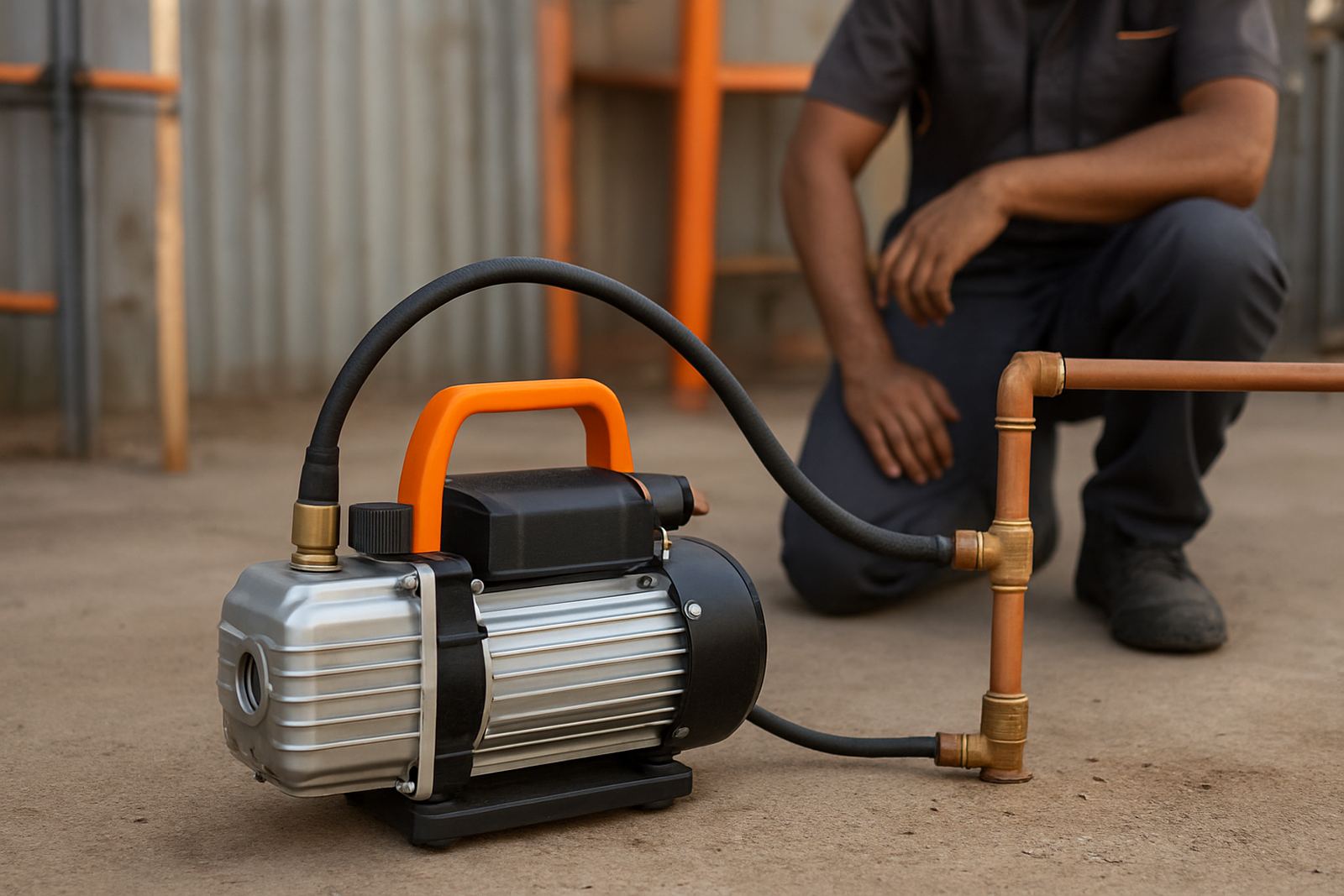
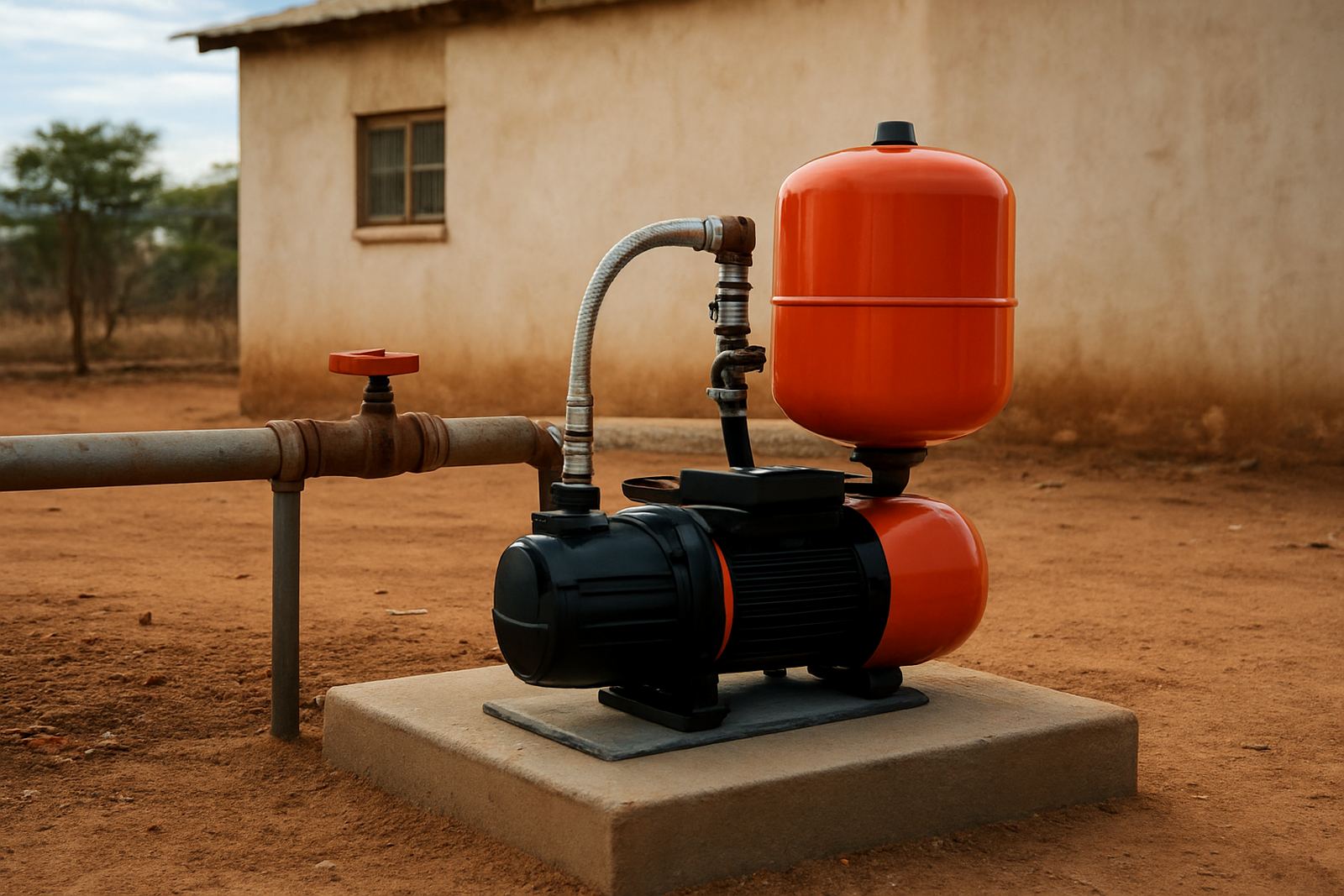
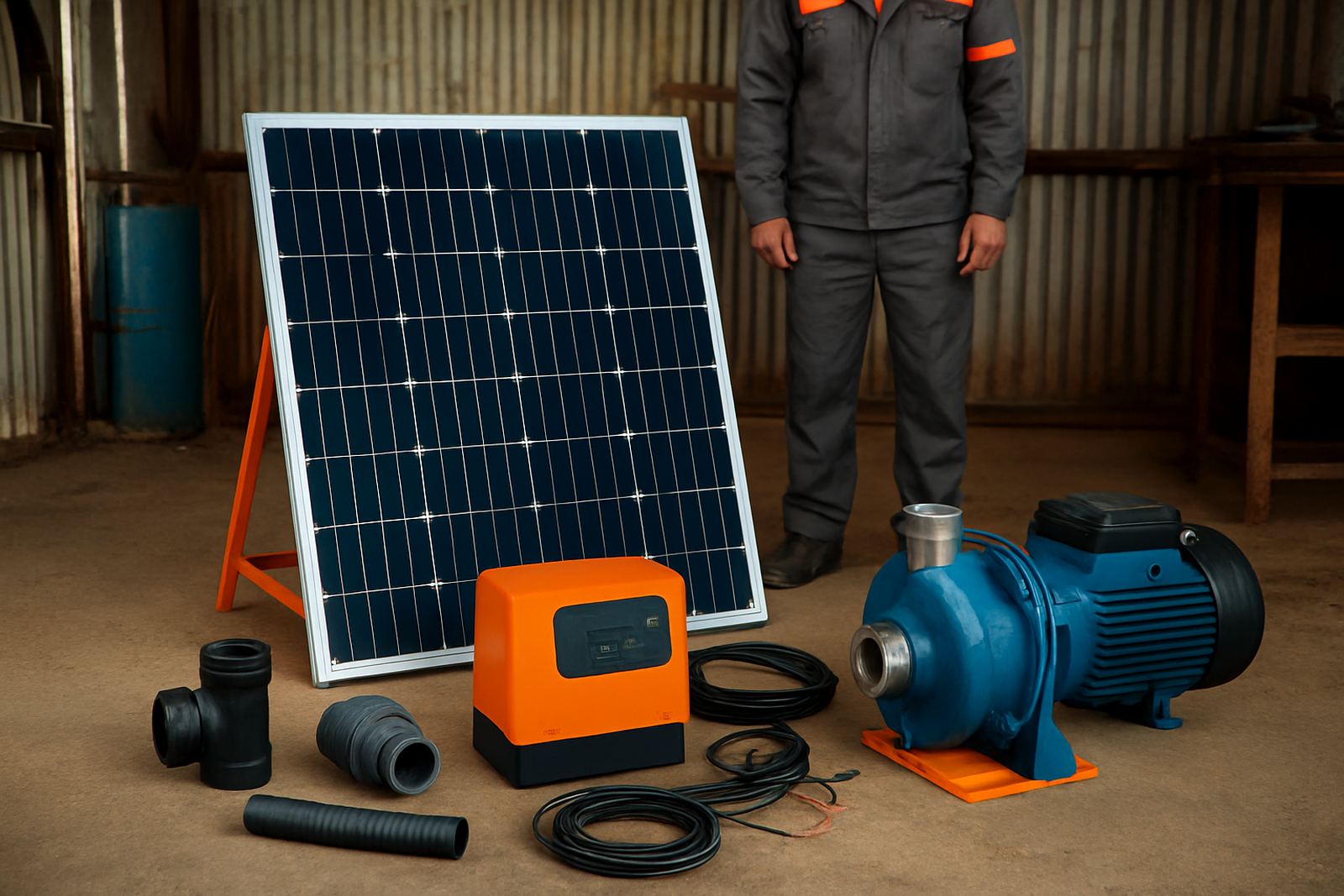
Submersible drainage pumps need the right power supply, discharge hose or pipe, and enough free space around the intake so the unit can move water properly. Most pumps run on standard single-phase power, while larger systems may need three-phase supply for better starting and handling. Where load-shedding is part of the day, we can help with backup planning so the pump is not left idle when water is building up.
For installation, check the cable length, plug type and whether the pump will sit on a flat base or hang in a pit. The discharge line should be sized to match the pump outlet and kept as straight as possible. Too many bends or a line that is too small will cut performance quickly. If the water contains silt or grit, use a pump that can handle that duty, because a clean-water model in dirty water will struggle and wear out faster.
Care, Servicing and Spare Parts Support
Like any working pump, a drainage pump needs basic care to keep it reliable. Clear away rags, string, gravel and sludge from the intake, and check the float switch if the model uses one. After a heavy pumping job, rinse the pump down and inspect the cable, seals and impeller. If it has been sitting in muddy water, do not leave it packed with silt, because that shortens seal life and can cause overheating.
We assist with repairs, parts and workshop support for pumps used in daily service. If the pump has lost output, trips the supply or makes a new noise, it usually needs a proper check before it fails completely.
- Inspect seals, bearings and cable condition
- Check float operation and automatic cut in
- Flush out grit after dirty water jobs
- Replace worn hoses, couplings and clamps
What to Check When Ordering a Drainage Pump
Before you order, have the key job details ready so the right pump can be matched. We will usually ask about the water type, the depth of the pit, the lift height, the length of pipe, the available power and how often the pump will run. A pump for a small pit at a workshop is not the same as one for stormwater on a site with long discharge runs, so those details matter.
If you are unsure, send through the site conditions and we will help you narrow it down. The more accurate the information, the better the result and the less chance of a pump that is too small or too large for the application.
- Water type: clean, dirty or light solids
- Required flow rate and discharge height
- Power supply: 230 V or 400 V
- Outlet size and hose length needed
- Duty cycle: occasional use or continuous work
Kimberley Supply for Northern Cape Sites
Modern Equipment has been serving Kimberley since 2002 from New Park, with support for customers across the Northern Cape including Upington, Kuruman, Galeshewe and Roodepan. Our team works across pumps, air-conditioning, refrigeration, ventilation, solar backup and site service needs, so we understand what local sites face when water, heat and power interruptions hit at the same time.
If you need a drainage pump for a new install, a replacement unit or a quick repair on an existing system, we can help with product selection and practical support. Send your requirements to info@modernequipment.co.za and we will advise on a pump that fits the job without overcomplicating it.
Key facts
| Pump type | Submersible drainage pump for pits, sumps, stormwater and dewatering |
|---|---|
| Power supply | Single-phase 230 V or three-phase 400 V options |
| Typical motor range | 0.37 kW to 2.2 kW, higher on special order |
| Outlet size | 25 mm to 75 mm depending on model |
| Maximum head | Up to around 20 m on selected drainage units |
| Water handling | Clean water to dirty water with light solids, depending on pump design |