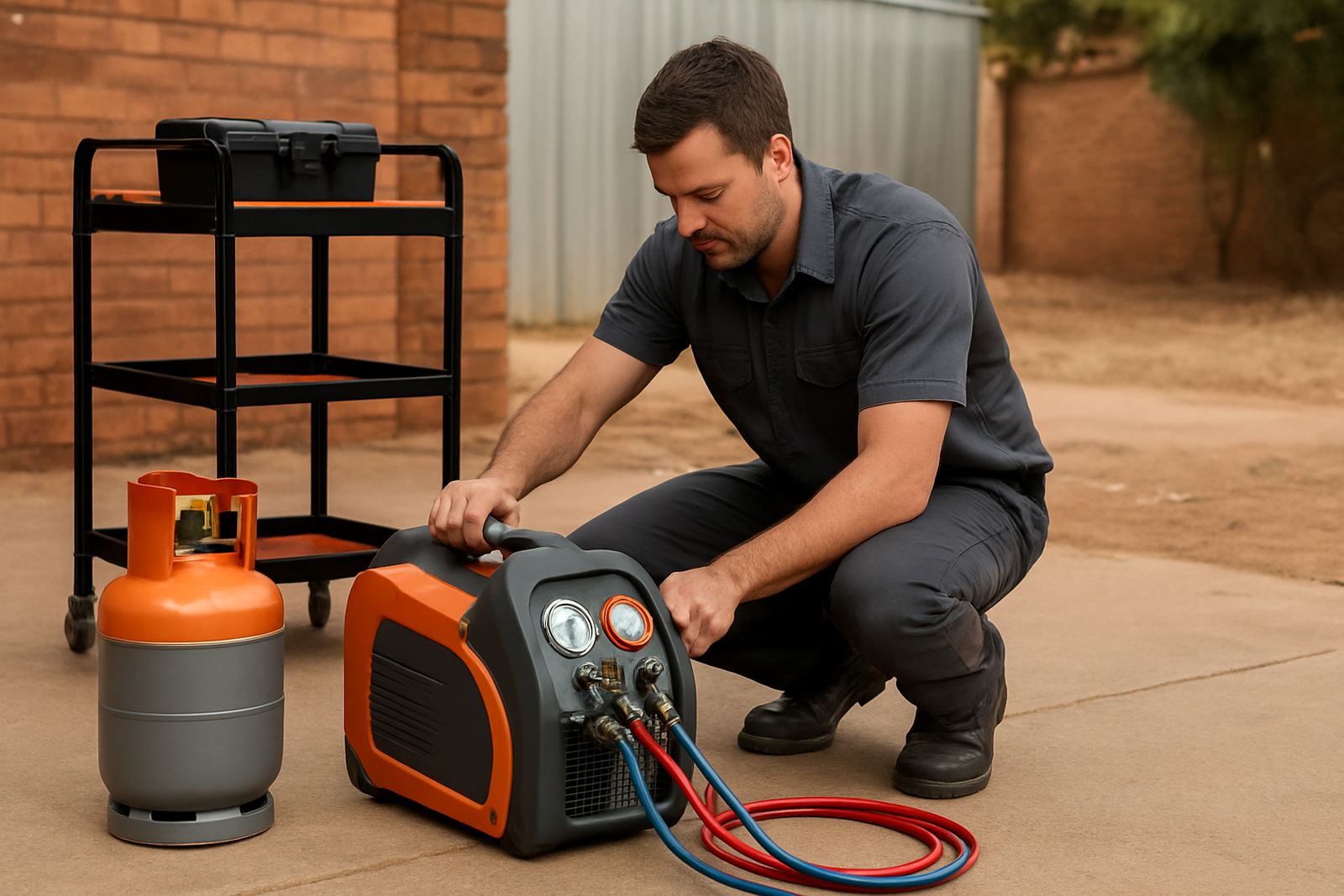
What mounting brackets are used for
Mounting brackets are the steel or galvanised supports that hold equipment off the floor, against a wall, or above a concrete base. They are used for split air-conditioning outdoor units, refrigeration condensers, ventilation fans, pumps and other plant that must stay level and secure. A good bracket reduces vibration, keeps pipe runs neater, and helps protect the unit from splash, dust and damage from foot traffic or cleaning equipment.
For local conditions around Kimberley, Roodepan, Galeshewe, Kuruman and Upington, the bracket choice matters. Wind, dust and heat can all put extra strain on poor fixings. On roofs and outside walls, the support must carry the unit weight plus service access, cable bends and any water drainage that may build up after summer storms.
Bracket types and common sizes
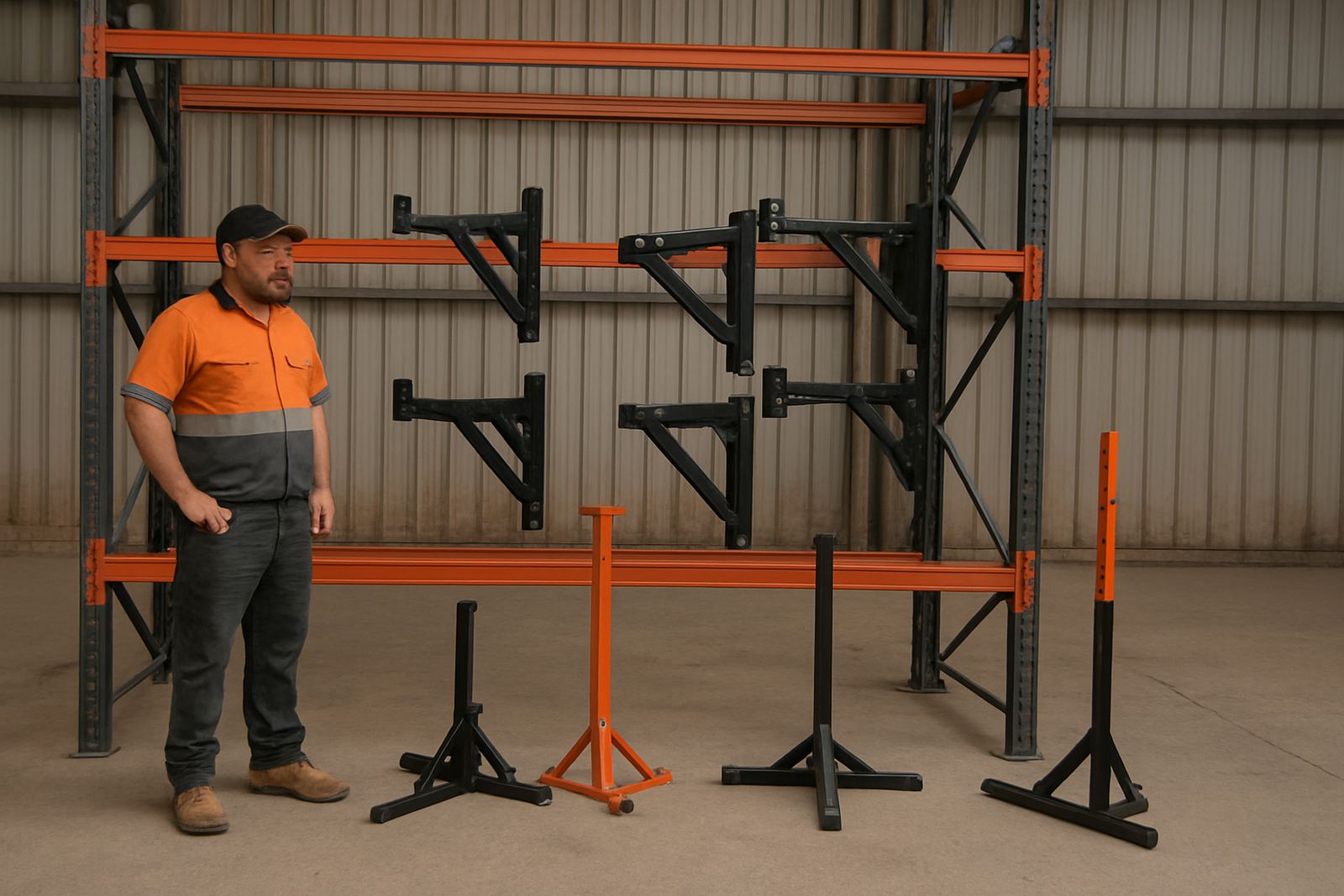
We supply brackets, stands and supports for a range of equipment sizes. The most common options are wall brackets for light to medium outdoor units, floor stands for inside plant rooms or roofs, and heavy-duty stands for larger condensers and pump sets. Galvanised steel is often preferred for outdoor work, while painted steel can suit dry indoor areas if it is protected from moisture and chemical exposure.
- Light-duty wall brackets for compact split units and smaller condensers
- Medium-duty wall brackets for standard domestic and small commercial systems
- Heavy-duty wall brackets for larger outdoor units and refrigeration plant
- Floor stands for concrete slabs, roof bases and service yards
- Raised stands for water runoff, cleaning access and better airflow
Sizes are usually matched by load rating and centre spacing rather than just the physical length. Common configurations can suit small units from around 30 kg up to heavier equipment above 100 kg, but the final choice should be based on the exact machine and installation point. Hole spacing, arm length and the projection from the wall all affect fit and access for pipework.
Where mounting brackets suit best
These supports are used in homes, shops, workshops, cold rooms, schools and office blocks where equipment must be mounted cleanly and safely. In high-temperature areas, keeping the unit off the ground improves airflow under the condenser and can make servicing easier. For coastal or humid conditions, a raised stand also helps limit corrosion from standing water and damp floors, though the Northern Cape is mostly dry a careful installation still needs proper rust protection.
Mounting brackets suit:
- External walls with a suitable load-bearing structure
- Flat roofs with a proper base frame and waterproofing check
- Plant rooms where floor space is limited
- Yards and service areas where access is needed for maintenance
- Pump installations that need elevation above dust and splash zones
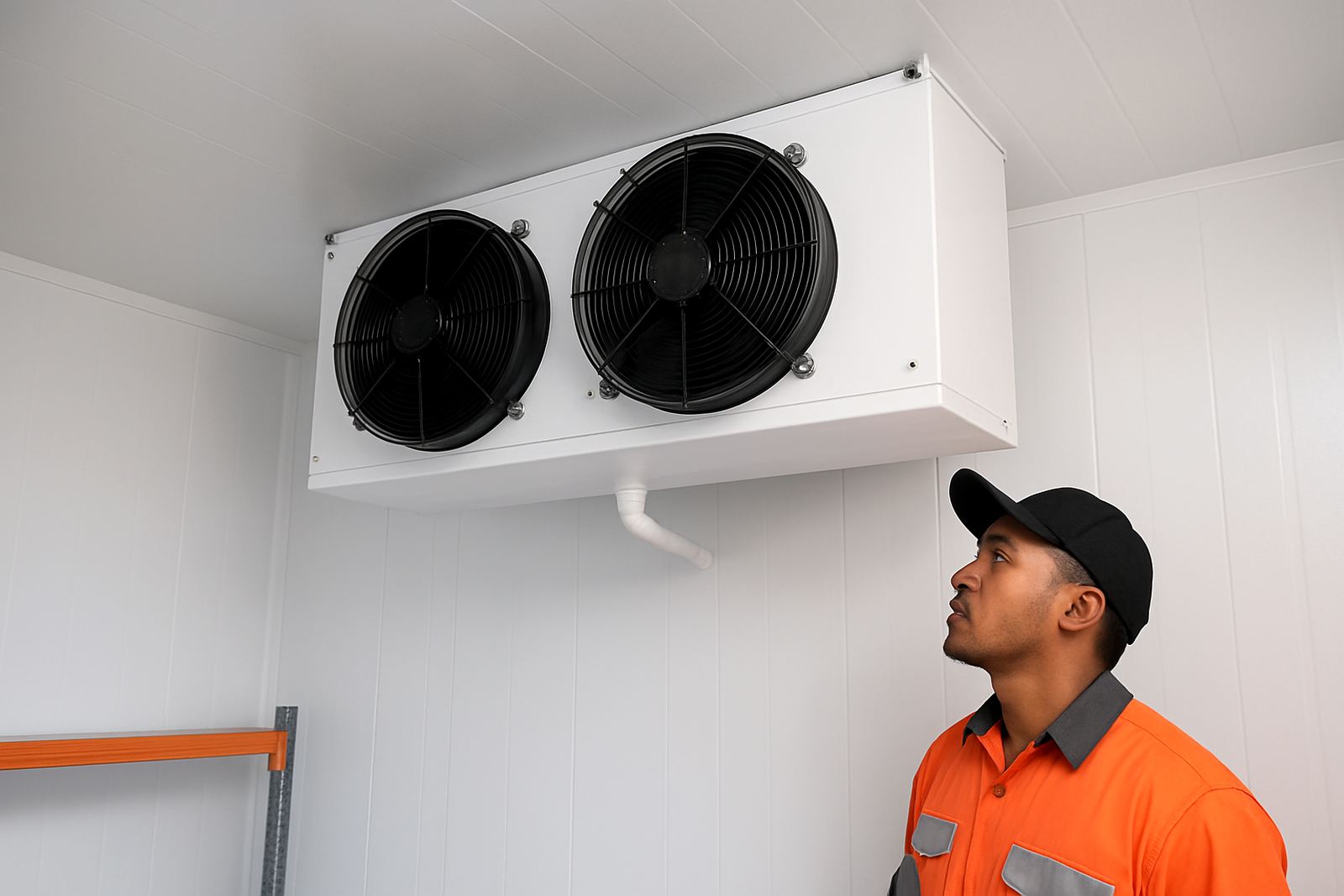
For refrigeration and ventilation work, the bracket must leave enough space for pipe bends, insulation and air movement. If the equipment sits too close to a wall, it can run hotter and may draw in its own discharge air. That puts extra load on the system and can lead to higher power use during load-shedding recovery periods.
Installation details and power or gas needs
Mounting brackets themselves do not use power or refrigerant gas, but they must be installed to suit the equipment they carry. The installer should check wall strength, anchor type, level, clearance and vibration control before the unit is fixed in place. On brick, concrete or structural steel, the fastening method will differ. On lightweight walls or older buildings, extra support may be needed and sometimes a floor stand is the safer option.
For air-conditioning and refrigeration units, the bracket position must allow for copper pipe routes, drain fall, electrical isolation and safe access to valves and service ports. If a generator or solar backup system is being used, the bracket should still allow the unit to breathe properly during long operating cycles. Good fitting reduces strain on pipe joints and helps prevent noisy operation, which is a common complaint when brackets are undersized or loose.
When ordering for a new install, it helps to confirm the weight of the unit, mounting hole pattern, projection needed from the wall and the finish required. A small mistake on the bracket size can mean added labour on site, so measure twice and check the service clearances before drilling. That avoids rework later and keeps the job moving.
Care, servicing and signs of wear
Brackets and stands should be inspected during regular servicing, especially on outdoor systems exposed to rain, dust and cleaning chemicals. Look for rust, cracked welds, loose anchor bolts, bent arms and vibration marks around the fixing points. If the unit has shifted or sits out of level, the bracket may already be carrying uneven load and should be corrected before damage spreads to pipework or cables.
Simple maintenance includes tightening fixings, checking anti-vibration pads and cleaning away dirt that traps moisture. In areas where dust builds up fast, cleaning under and around the support can help keep airflow open. A rusted bracket can often be replaced before it fails completely, which is better than dealing with a dropped unit or a damaged wall.
- Check for movement after heavy wind or maintenance work
- Inspect the coating for chips, scratches or early rust
- Confirm the unit still sits level after servicing
- Replace worn pads, washers and anchors as needed
What to check before you place an order
Before ordering mounting brackets, it is worth confirming the exact equipment model, weight and fixing pattern. The wrong size can affect clearances for filters, pipework and drainage. If the unit is going on a wall, check the wall construction first. If it is for a roof or yard, check the base type and whether water can sit under the stand after rain. A bracket that looks right on paper may still be wrong on site if the service access is too tight.
Useful order details include:
- Equipment type and approximate mass
- Wall, roof or floor mounting position
- Required height and projection
- Indoor or outdoor exposure
- Preferred finish, galvanised or painted
- Any vibration or anti-rust requirements
Modern Equipment supplies mounting support products from New Park, Kimberley to customers across the Northern Cape, including Galeshewe, Roodepan, Kuruman and Upington. Whether the job is for a small split system, a refrigeration condenser or a pump install, the right bracket helps keep the unit secure and easier to maintain over its service life.
Key facts
| Product type | Mounting brackets, stands and supports |
|---|---|
| Typical use | Aircon outdoor units, refrigeration condensers, ventilation units and pumps |
| Material options | Galvanised steel or painted steel |
| Mounting styles | Wall brackets, floor stands and raised support frames |
| Load range | Light-duty to heavy-duty, matched to unit weight and fixing points |
| Suitable areas | Indoor plant rooms, roofs, walls, yards and service areas |