Warehouse Conditions in Kimberley and the Northern Cape
Warehouse space in Kimberley, Kuruman, Upington and the surrounding areas faces hot afternoons, dust, dry air and long operating hours. If the building holds stock, packaging, perishables or temperature sensitive goods, even a few degrees too high can lead to warped cartons, shortened shelf life, product damage and unhappy clients. Loading bays and dispatch areas also need proper air movement so staff can work safely and goods do not sit in stagnant heat.
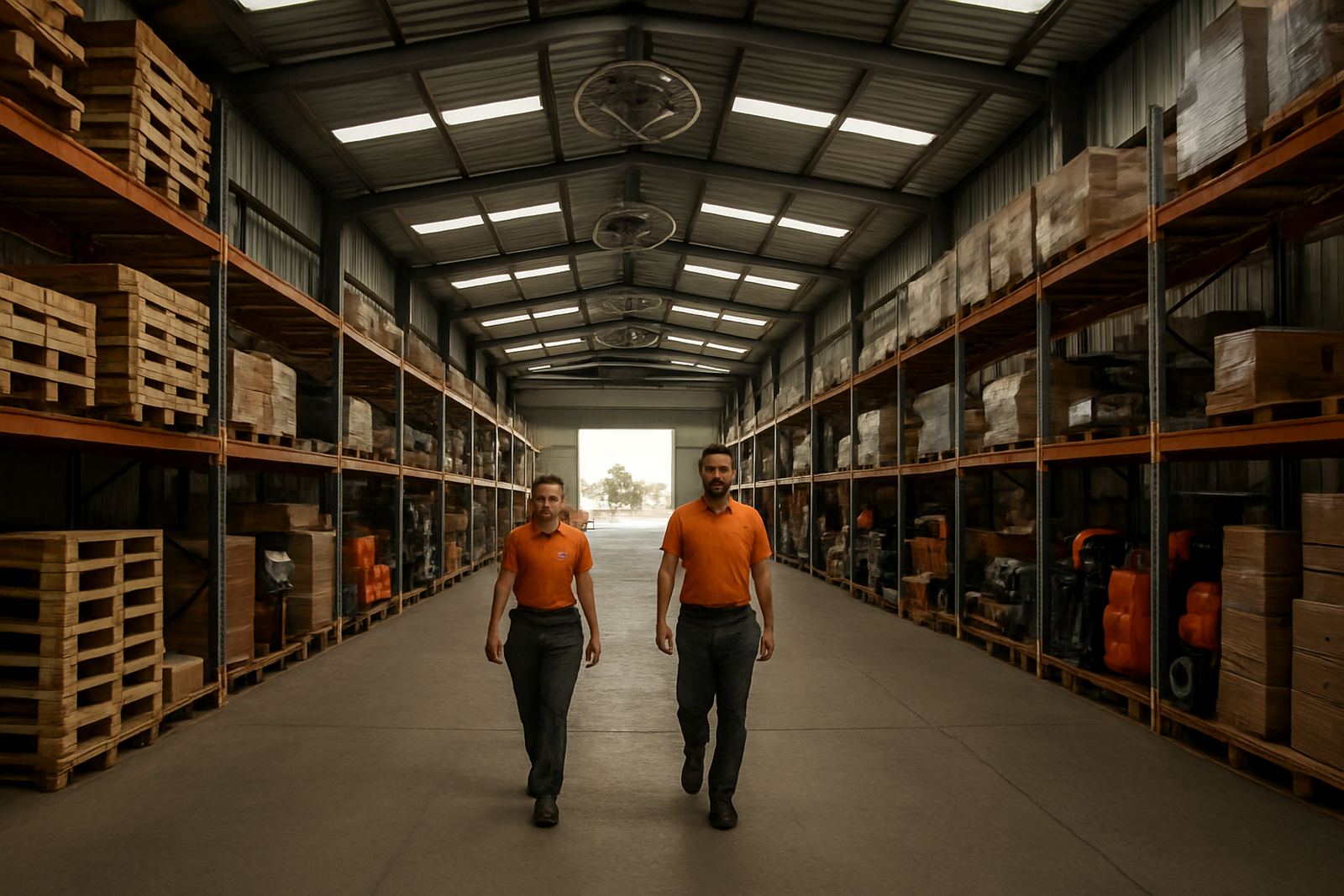
Many warehouses here run with mixed use zones. You may have a main storage floor, a packing section, a returns area and a small office block all under one roof. The cooling answer is usually not one big unit for everything. It is better to divide the building into zones and match the equipment to the actual use of each area.
Typical Equipment Set for Stock and Dispatch Areas
A warehouse setup can include high volume ventilation fans, evaporative cooling where suitable, split air conditioners for offices and control rooms, refrigerated rooms for temperature sensitive stock, and extraction in work areas where heat builds up. For larger sites, ducted air distribution and roof mounted ventilation can help move hot air out before it settles above stock racks.
- High volume wall or roof fans for air movement across aisles
- Fresh air intake and extraction fans for enclosed storage
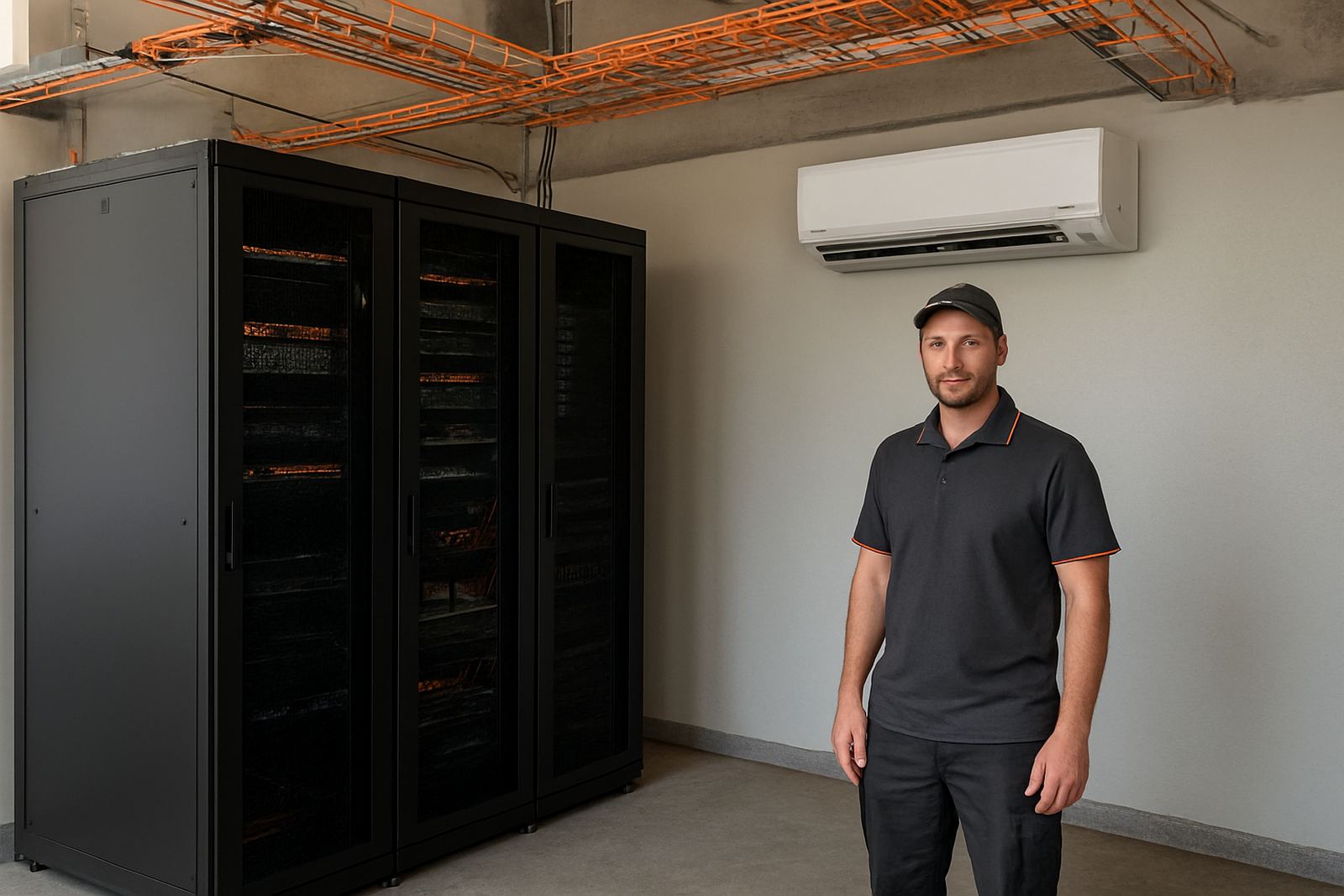
- Split systems for offices, server rooms and weighing areas
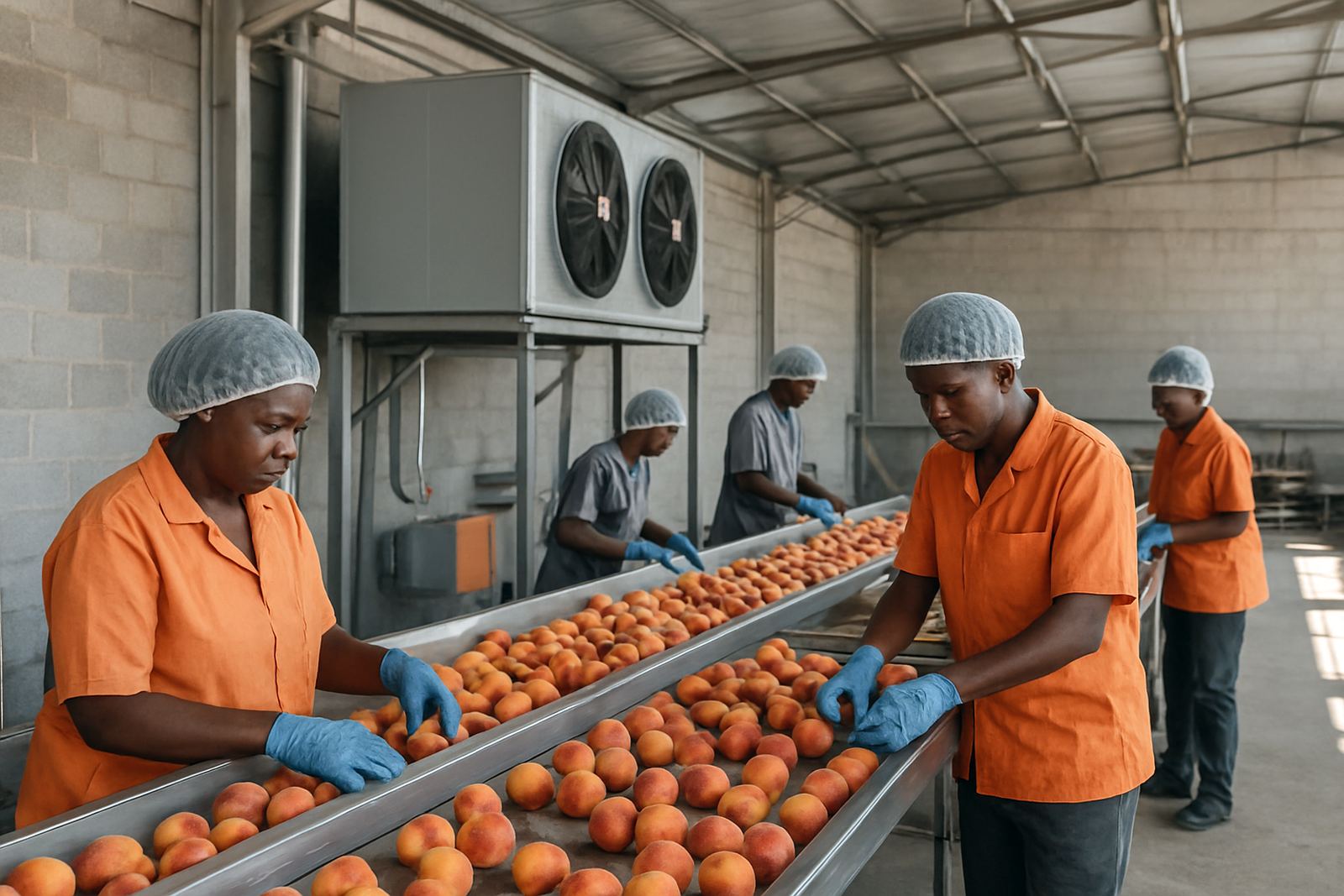
- Cold room or cool room equipment for perishable stock
- Backup power or solar support for critical areas during load-shedding
Where forklifts, printers and staff stations are close together, it often makes sense to separate process areas from general storage. That reduces strain on the equipment and helps keep comfort levels more even through the day.
Layout Planning That Saves Power and Rework
Good planning starts with the building itself. Ceiling height, roof material, door opening frequency and the direction of sun on the walls all change the cooling load. A warehouse with roller doors opening every few minutes will need a different solution from a closed bulk store. We also look at rack height, pallet stacking, aisle width and whether the site has natural cross-flow or only one exit point for hot air.
It is worth separating the site into zones before any equipment is chosen. Offices and admin areas need steady comfort. Storage areas need controlled air movement. Dispatch bays need fast air exchange. If the whole site is treated as one room, the system usually runs harder than needed and still leaves hot pockets near the roof.
- Measure the usable floor area, not just the total building size
- Check roof height and heat gain from sheet metal or concrete
- Map where doors stay open for long periods
- Allow space for maintenance access and filter changes
- Plan drainage for any cooling or condensate discharge
Common Mistakes in Warehouse Cooling
One common mistake is buying equipment by square metres only, without considering stock height or how often vehicles enter the building. Another is placing cooling units where they blow straight into a walkway but not into the storage rows that actually need help. Some sites also forget that dust and packaging fibres can block filters quickly, so the system looks fine on day one then struggles within a few months.
Power supply is another issue. In Northern Cape warehouses load-shedding and supply dips can interrupt cooling, stop fans and spoil temperature sensitive stock. If you rely on one circuit for everything, a small fault can shut down the full area. It is better to protect critical loads and keep the cooling plan tied to the electrical reality of the site.
Budget Ranges for Warehouse Projects
Budget depends on floor area, roof height, insulation, access and how much of the site needs active cooling. A basic ventilation upgrade for a small store room or dispatch area can start from around R18 000 to R45 000. A mixed warehouse with several fans, a few split systems and control wiring may fall between R65 000 and R180 000. Larger sites with cold rooms, extraction, zoning and backup support can run from R250 000 upwards.
For cold storage or product holding, the price changes quickly with insulation thickness, door size and required temperature range. If the warehouse serves retail distribution, fresh produce or parts holding, it is usually better to budget for maintenance and power continuity from the start rather than adding those items later at higher cost.
How Modern Equipment Supports Warehouse Sites
Modern Equipment works from New Park in Kimberley and supports warehouse projects across Roodepan, Galeshewe, Kuruman and Upington. The team handles site assessment, supply, installation, servicing, repairs and commissioning support for warehouse ventilation, air conditioning, refrigeration, pumps and solar backup systems. That means you can deal with one supplier for both the cooling side and the practical power side.
Our team includes Marius Jacobus van der Merwe, Lerato Mokoena, Pieter Johannes Botha, Ayanda Ndlovu, Charlene Daniels, Thabo Molefe and Nadia September, so enquiries, parts, workshop work and field support are handled by people who deal with these jobs daily. If a warehouse needs a planned upgrade, a repair on existing equipment or a new build for a stock holding area, we can help with the equipment choice and the rollout from start to finish.
- Aircon Installation and Servicing
- Refrigeration Repairs and Cold Room Builds
- Ventilation Installations
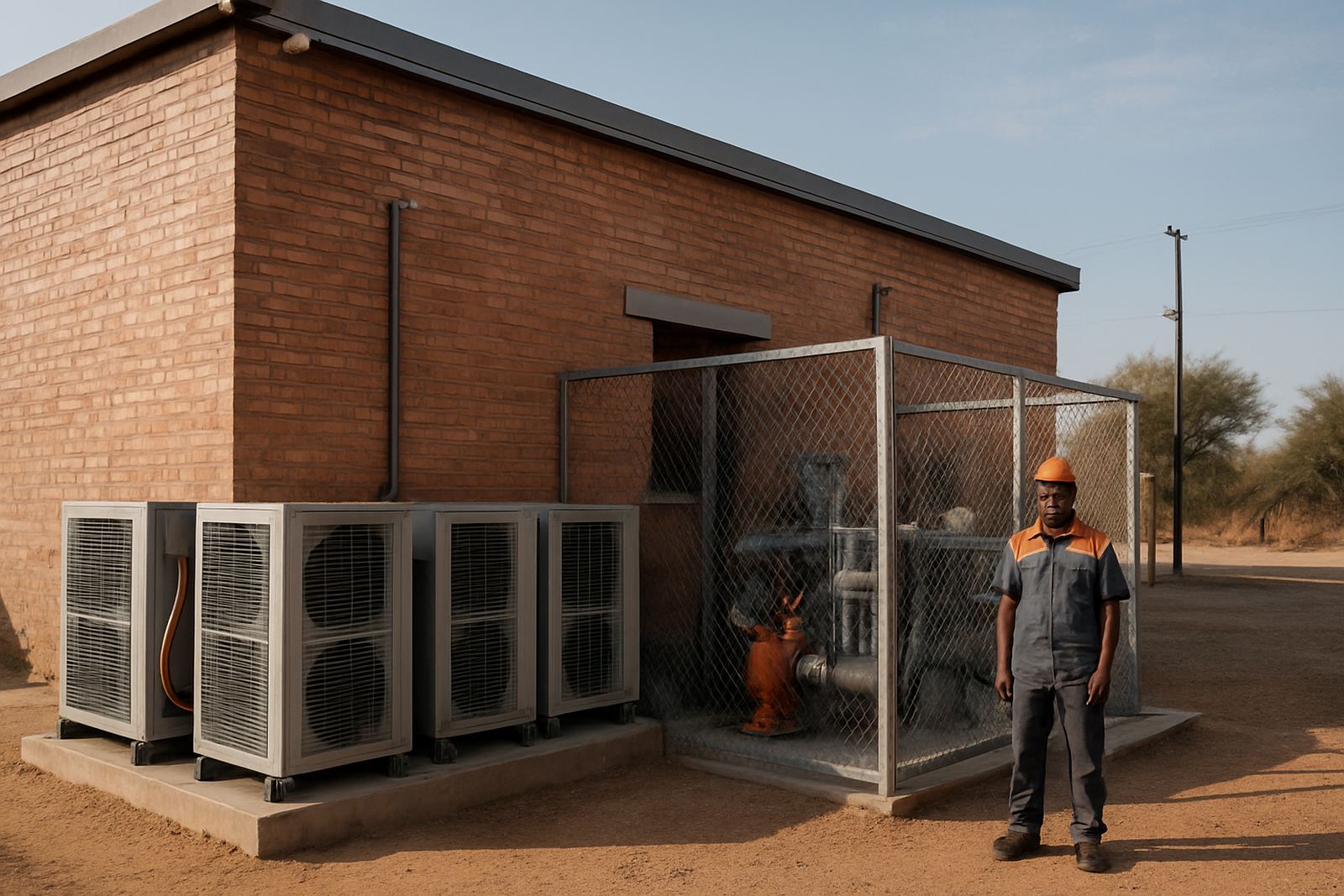
- Pump Installations and Repairs
- Solar Backup Installation and Commissioning Support