Clear the Work Area Before the Team Arrives
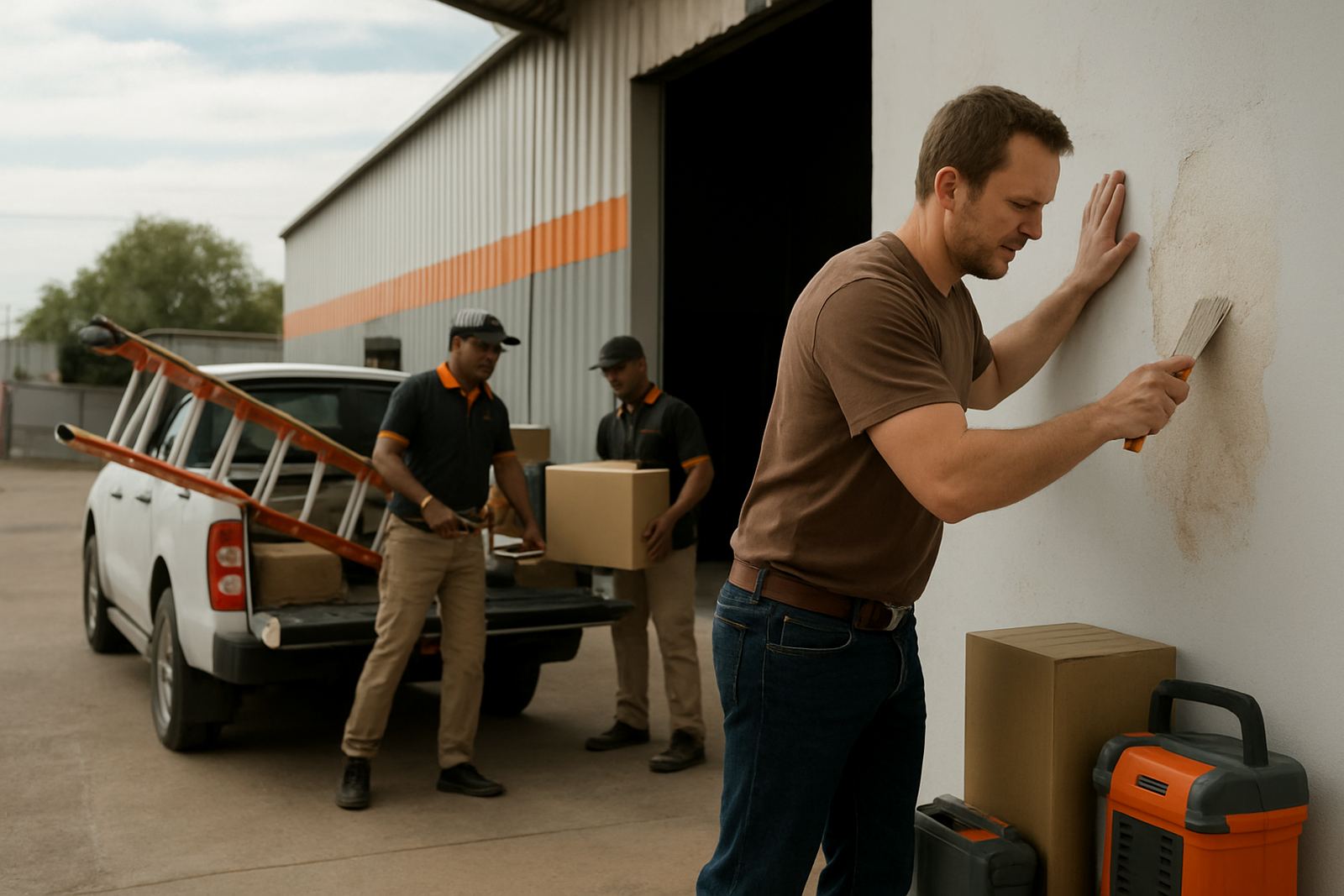
The first step is simple: give the installers room to work. Whether the job is an aircon fitment, a borehole or booster pump installation, or a solar backup system, the crew needs safe access to the inside and outside points of work. Move furniture, boxes, garden tools and any loose items out of the way so the route from the entrance to the work area is open.
If the job is going into a roof space, ceiling void, plant room or outside wall, please make sure gates are unlocked and pets are kept safely away. Kimberley dust can settle quickly, so a clean path also helps protect tools and keeps fittings cleaner during the installtion.
- Clear at least 1.5 metres around the main work point
- Move vehicles if they block access to the wall, gate or meter area
- Open passages, gates and side entrances before the team arrives
- Keep children and pets out of the work zone
Check Power, Water and Access Points Early
Most delays happen when the installation point is not ready. For air conditioning, the wall location, isolator position and electrical route should be easy to reach. For pumps, the water source, tank, pressure line or borehole point must be identified. For solar backup, the inverter or battery position and the main distribution board need to be accessible and not hidden behind locked cupboards or stored goods.
If your property has load-shedding changes, municipal supply issues or a shared metering arrangement, mention that before the team starts. That helps the crew plan the safest connection point and avoid unnecessary repeat visits. In areas like New Park, Roodepan, Galeshewe, Kuruman and Upington, site conditions vary a lot, so a quick walk-through on arrival is always worth it.
- Confirm where the main DB board, isolator and shut-off valves are
- Make sure keys for locked plant rooms, roofs or yards are available
- Check that ladders, roof access or ceiling hatches are usable
- Point out any known faults, leaks or tripping circuits before work starts
Prepare the Electrical Side So Testing Can Happen
Install day should end with testing, not guesswork. To get there, the electrical side must be in order. Make sure the supply is available and that the breaker space, earthing and cable routes are ready for the agreed equipment. If you are not sure what the electrician will need, tell the team in advance and they will advise on the site setup.
For solar and some pump jobs, a stable connection and correct protection are essential. For aircon installations, the breaker size and cable run must suit the unit. If a circuit keeps tripping or you know there is an old fault, say so first. That way the team can plan the work instead of finding it mid-job. It is also a good idea to switch off sensitive equipment nearby if the power will be off for a while.
- Confirm power is available at the property on the day
- Make sure the electrical panel is not blocked
- Move computers, fridges, tills and other sensitive items if a shutdown is planned
- Have the main contact person available for testing and sign-off
For Aircon Jobs, Get the Wall and Drain Ready
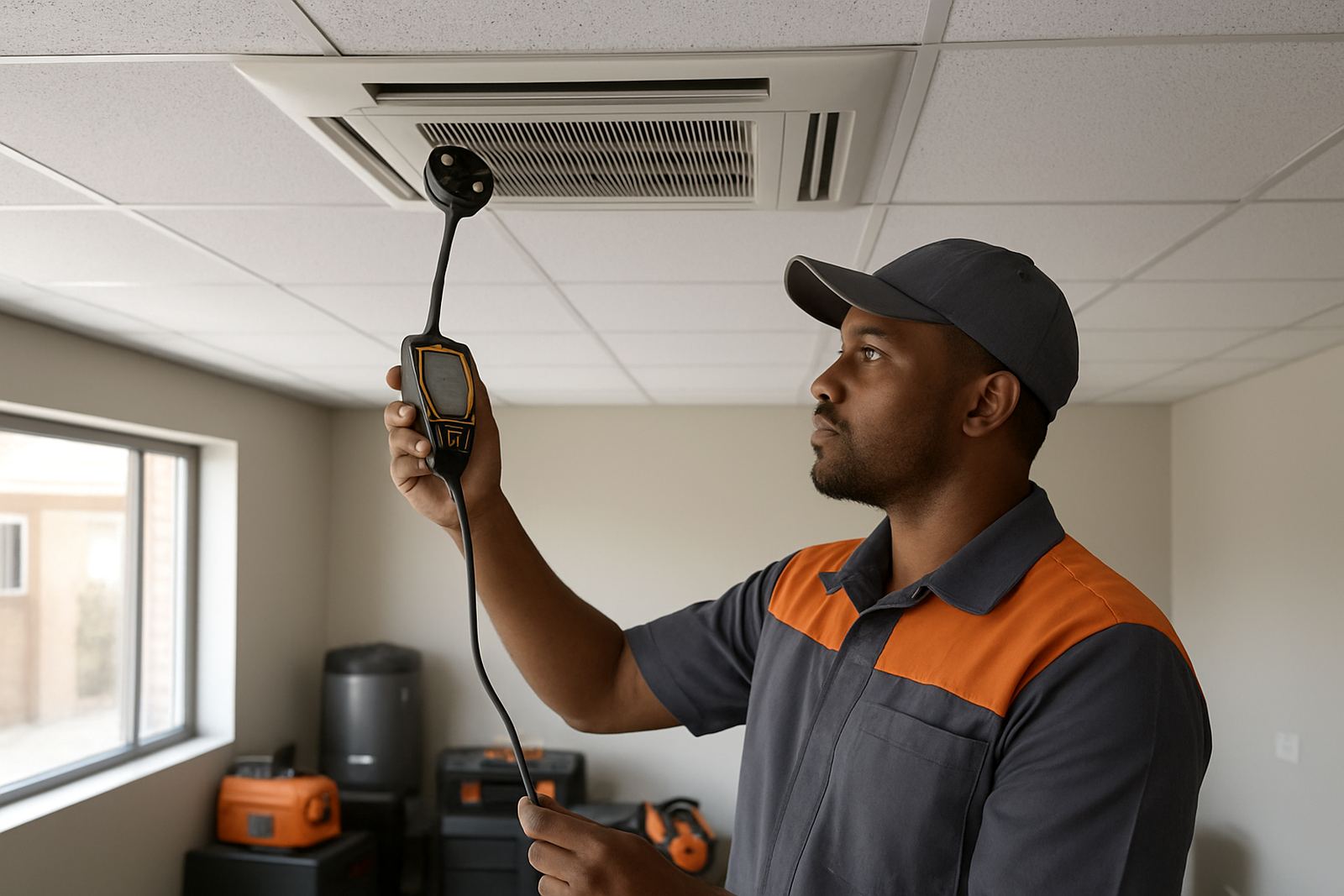
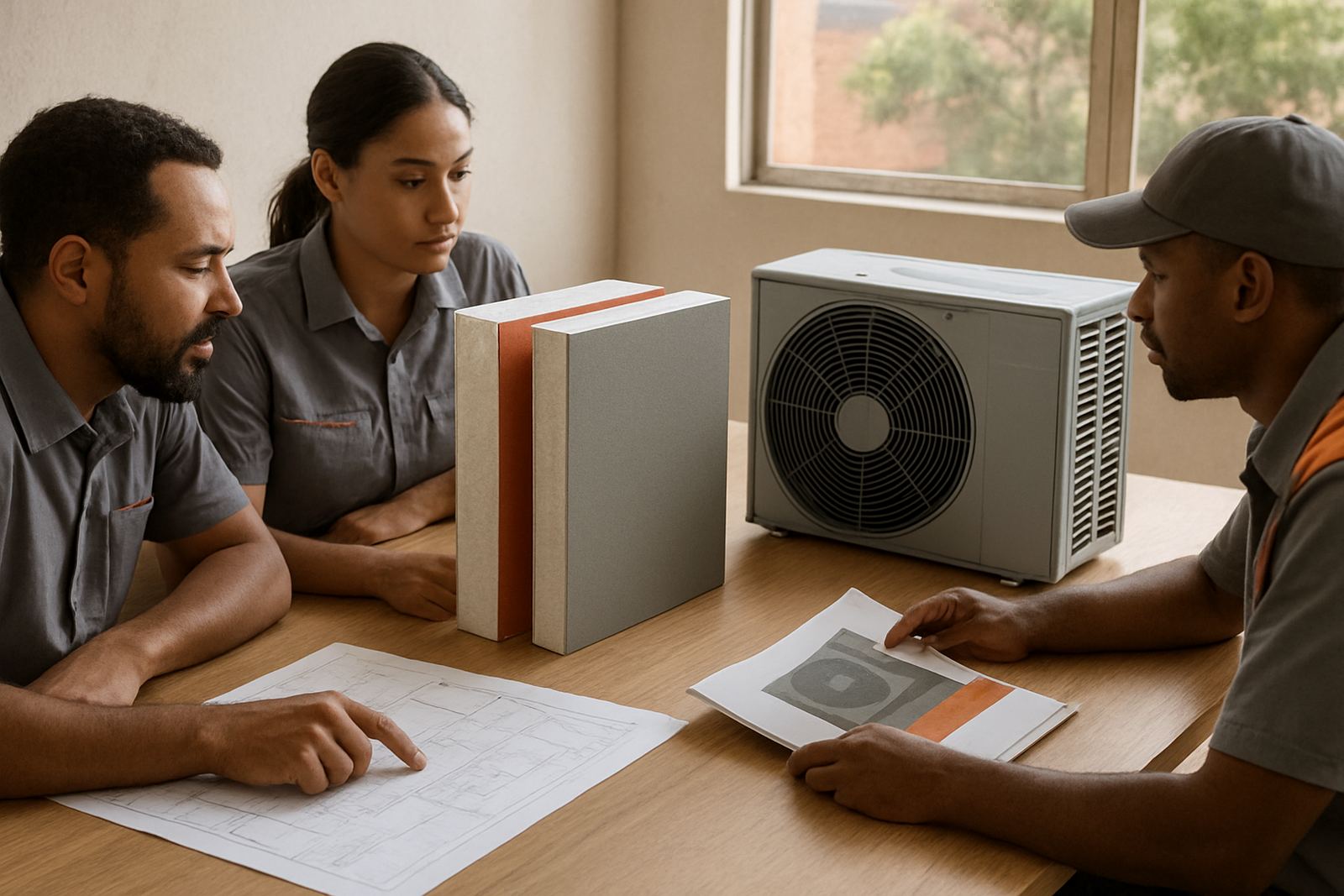
For an aircon installation, the indoor and outdoor positions must be practical as well as neat. Please decide where the unit should go before the team arrives, especially if there are already ceiling boards, curtains, shelving or security fittings in the area. The outdoor unit also needs enough space for airflow and future servicing. In hot Northern Cape weather, a cramped position can make maintenance harder later on.
If the unit is going above a doorway or near a bed, note any special concerns before drilling begins. Drainage matters too. Condensate must run away properly, so the route for the drain pipe should be kept open. If the wall is newly painted or recently repaired, allow for careful work and mention it in advance. A small bit of preparation now avoids a lot of patching later.
- Confirm the indoor wall location and outdoor unit position
- Remove pictures, shelves or fragile items from nearby walls
- Check that curtains or blinds will not block airflow
- Ask about any repainting or patching needed after install
For Pump Jobs, Make Space Around Tanks, Lines and Valves
Pumps are easier to install when the water system is clearly marked and easy to reach. If the job is for a pressure pump, transfer pump, borehole setup or irrigation support, please show the team the water source, tank, valve points and any existing pipework. If the area is wet, muddy or overgrown, trim it back first so the crew can work safely and keep fittings clean.
For properties in rural or semi-rural parts of the Northern Cape, it helps to label tanks and explain how water is currently used on the site. If the pump is replacing an older unit, keep the old parts nearby until the new one has been tested. That can help if a quick adjustment is needed after commissioning.
- Clear access to the tank, pump base, borehole head or line connection
- Show where valves can be shut off in an emergency
- Keep the old pump, fittings or switches available until testing is done
- Let the team know if water pressure has been weak or uneven before
For Solar Backup, Plan Around Batteries, Heat and House Rules
Solar backup systems need more planning than many people expect. The battery area must be dry, well ventilated and easy to reach for inspection. If the system will go in a garage, storeroom or outside enclosure, make sure it is not exposed to direct sun, damp or excessive dust. Kimberley and Upington heat can shorten equipment life if ventilation is poor, so airflow matters.
If you live in a complex, rental property or business unit, please confirm any house rules, access times or landlord approvals before the team arrives. The crew may need to drill, mount equipment or route cables through walls and ceilings. It is also wise to note where essential loads are, such as lights, Wi-Fi, gate motors or refrigeration, so the backup setup can be tested properly. A short chat up front saves a lot of back and forth later.
- Choose a dry, shaded and ventilated equipment location
- Keep the battery area clear of paint, fuel, boxes and general storage
- Confirm landlord or body corporate approval if needed
- List the loads you want backed up during outages