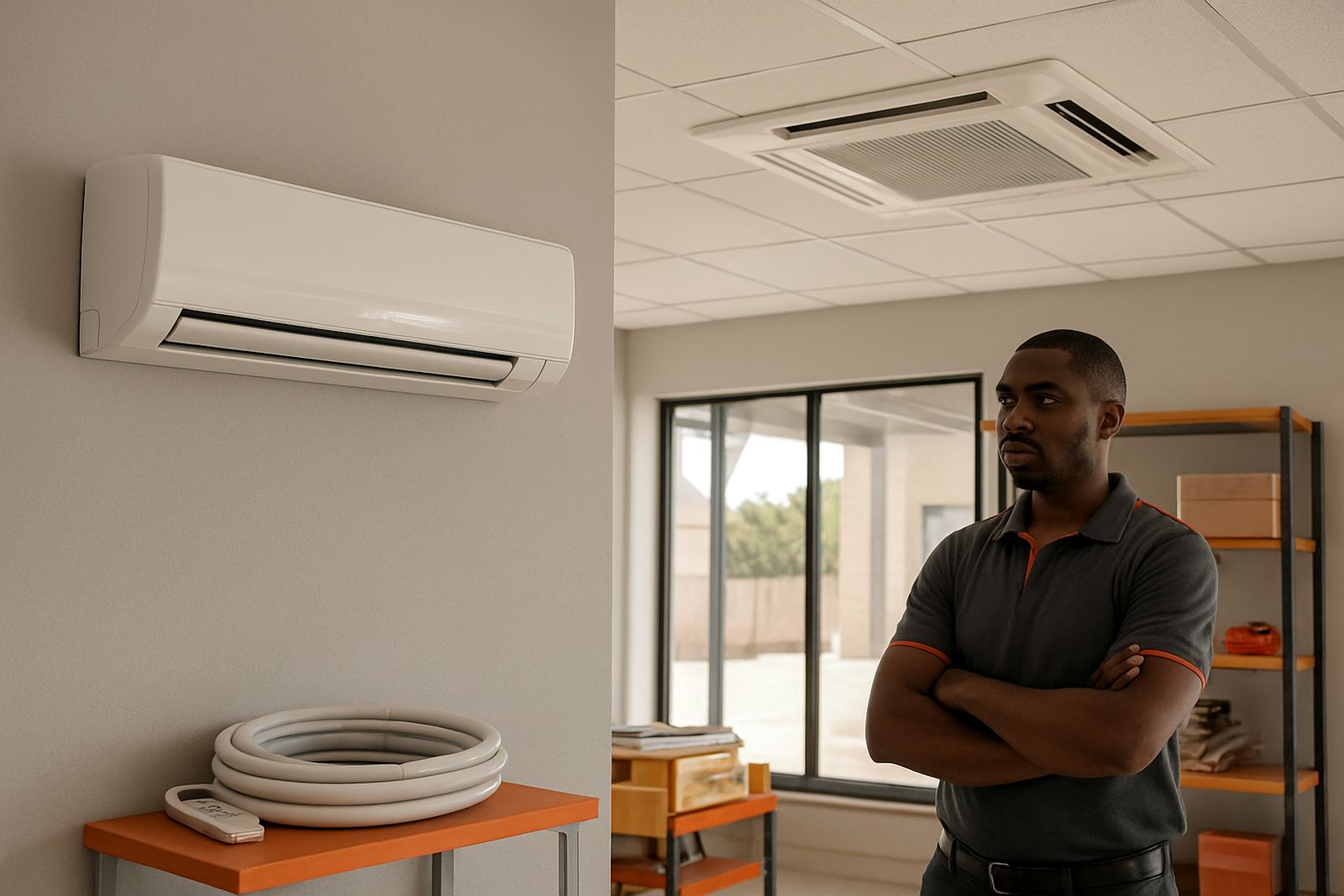
Start with the hand tools that get used on every job
Before you worry about specialist gear, make sure the basics are sorted. Most air-conditioning and refrigeration jobs need reliable screwdrivers, spanners, pliers, side cutters, Allen keys, adjustable spanners and a good set of nut drivers. It sounds simple, but poor hand tools cause stripped heads, loose fittings and wasted time on site.
For Kimberley and the surrounding towns, a technician also needs tools that can handle dust and rough handling in bakkies and service bags. Keep one set for clean indoor work and another for outdoor service calls, because a tool that has been dropped in a workshop yard usually ends up chewing fasteners later.
- Insulated screwdrivers for electrical checks and terminal work
- Adjustable and ring spanners for service valves and brackets
- Long nose pliers, side cutters and crimping pliers
- Allen keys, hex bits and small socket sets
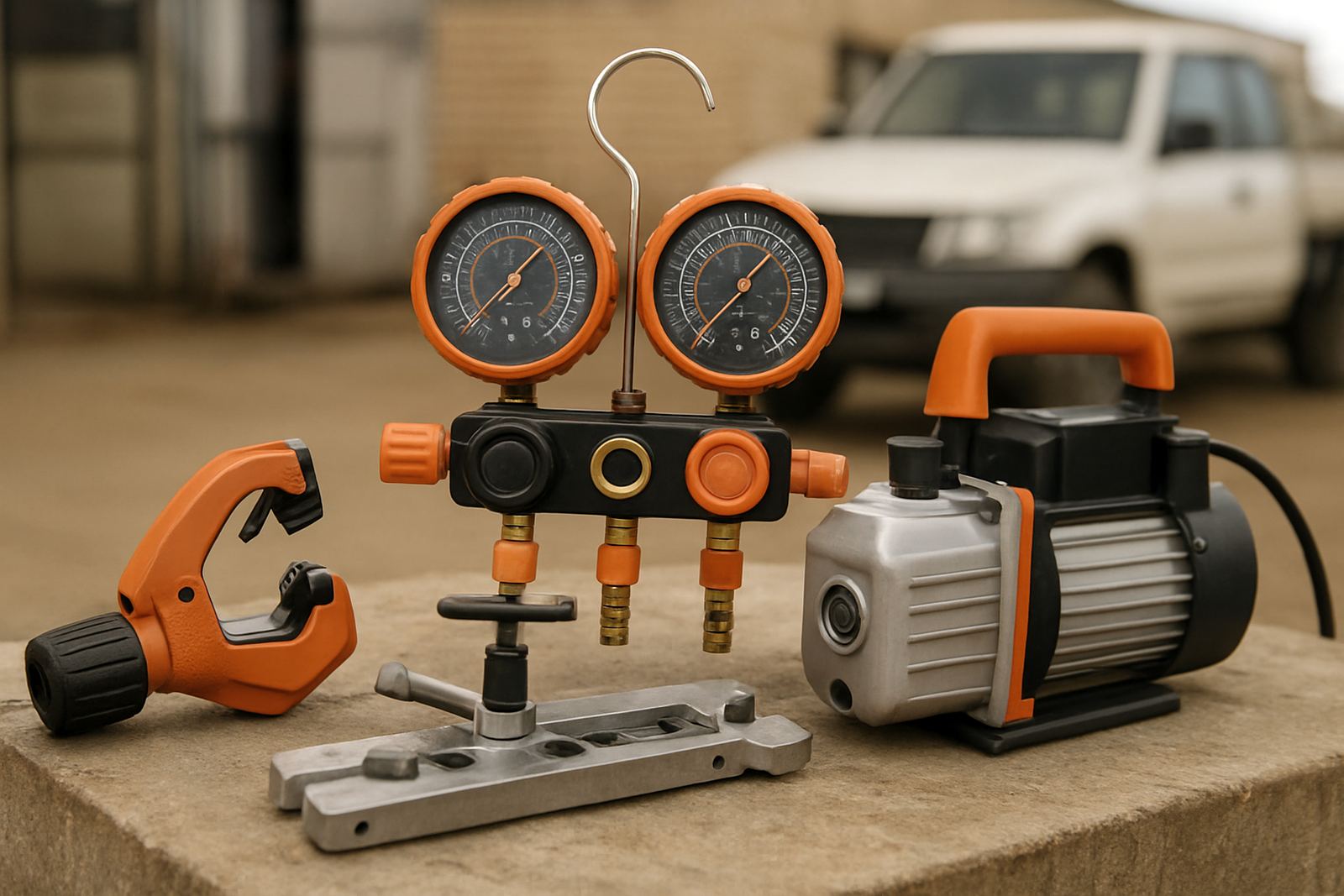
- Pipe cutter, reamer and flaring tool for copper line work
Measurement tools that help you avoid guesswork
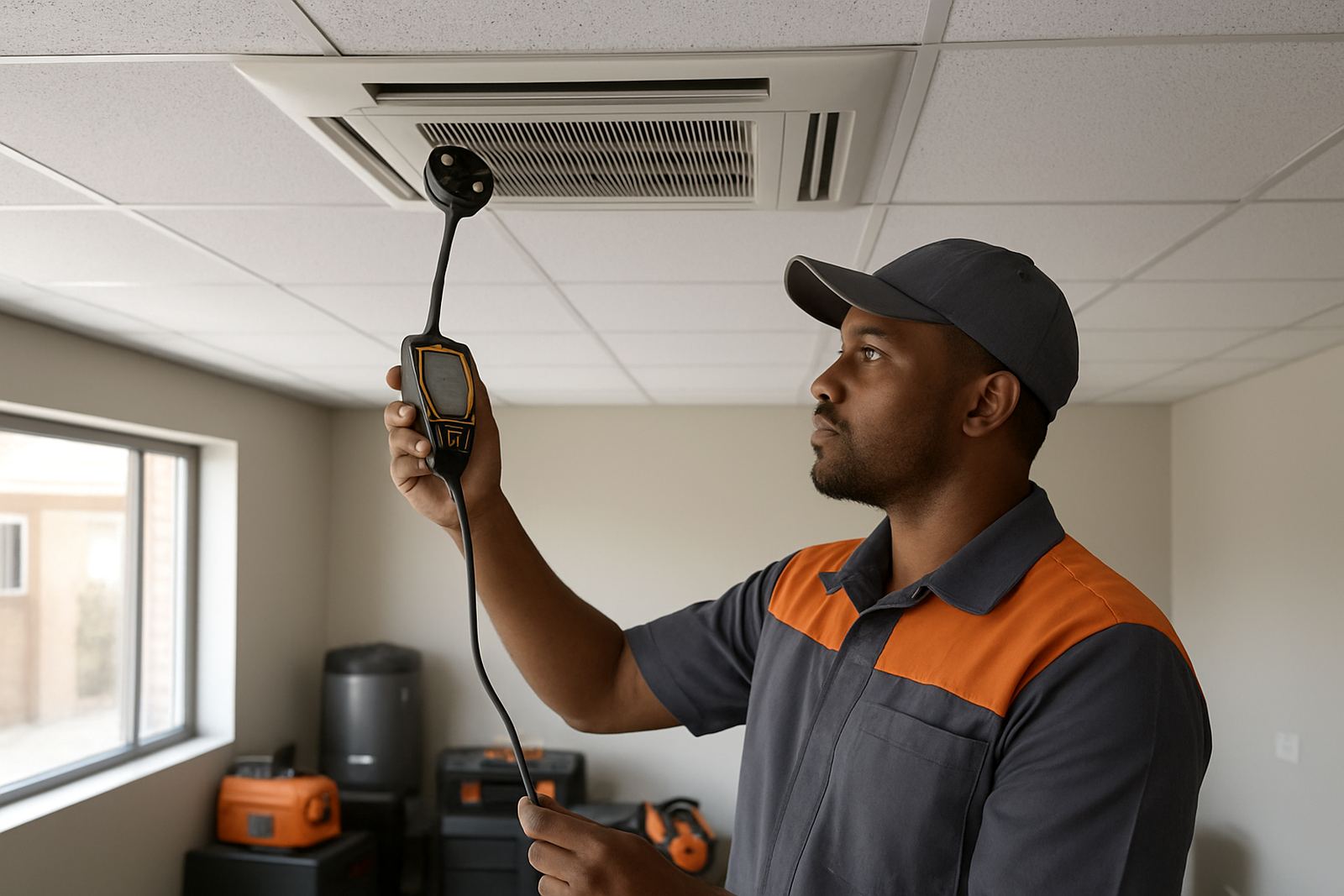
Good measurements matter whether you are fitting a split unit in New Park or fault-finding a cold room in Upington. A digital multimeter is one of the first items to buy, followed by clamp meters, temperature probes and a pressure gauge set suitable for the refrigerant being used. If you are servicing refrigeration equipment, do not rely on guesswork when checking pressures, temperature splits or electrical load.
A tape measure, spirit level and laser level are useful for mounting indoor units, setting fall on drain lines and checking that condensers sit level on wall brackets or plinths. On pump and ventilation jobs, accurate measurement keeps pipe runs, supports and duct routes neat and easier to service later.
- Digital multimeter with continuity, voltage and resistance functions
- Clamp meter for current draw on compressors and fans
- Refrigeration gauge set and manifold hoses
- Temperature clamps or probes
- Tape measure, spirit level and marker pens
The safety gear every technician should carry
Safety gear is not optional. A starter kit should include safety glasses, gloves, ear protection, a dust mask or respirator, and a torch or headlamp for plant rooms and ceiling spaces. In the Northern Cape, many service calls happen in bright heat during the day and in poorly lit yards after hours, so basic visibility kit also helps. Keep a lockout tag set in the vehicle and use it on any electrical work where the supply must be isolated.
When working on rooftop units or high wall installations, bring a stable ladder, fall protection where required, and a helper if the site setup calls for it. If the job involves refrigeration gas handling, follow the correct process and never cut corners because the site is busy. One mistake can turn a routine call into a long and expensive one.
- Safety glasses and cut resistant gloves
- Ear protection and dust mask
- Headlamp or strong torch
- Lockout and tagout kit
- Ladder, harness or other fall protection as required
Specialist HVAC tools for clean installation work
Once the basics are covered, add the tools that make the install neater and more reliable. A vacuum pump is needed for proper commissioning, while a set of refrigerant scales helps with accurate charging. Swaging and flaring tools are essential for pipe ends, and a pipe bender helps avoid kinks on copper lines. In hot weather and high dust conditions around Kimberley, clean pipe ends and proper evacuation matter more than many people realise.
For ventilation work, take along tin snips, duct tools, sealant and fixings suitable for the material on site. For pumps and drainage, a pipe cutter and test plugs are useful. If you are doing auto aircon or small commercial repair work, keep hose tools, service port caps and leak detection gear close by.
- Set out the site and confirm the unit position, clearance and power point locations
- Check the pipe route, drain fall and bracket strength before drilling
- Pull a vacuum and test for leaks before releasing refrigerant
- Verify electrical draw, temperature split and airflow after commissioning
- Record the readings so the next service has a proper baseline
How to build a starter kit without overspending
If you are setting up a new technician or workshop team, buy in stages. Start with hand tools, test instruments, safety gear and a basic vacuum set. Then add refrigeration-specific equipment, pipe tools, leak detection gear and commissioning instruments as the workload grows. This is often the best path for businesses in areas like Roodepan, Galeshewe and Kuruman where teams may handle a mix of domestic, commercial and light industrial jobs.
It also helps to keep a checklist in the vehicle so tools are returned after each call. Missing a gauge hose or an adaptor can delay a full day’s work, especially when the next site is far out of town. Label kits clearly and keep spare batteries, fuses, probe covers and a few fast-moving consumables on hand.
- Buy core tools first, then specialist gear
- Keep one kit per vehicle or service team
- Carry spare batteries, fuses and consumables
- Use a sign-out sheet for shared tools
- Inspect tools weekly for wear, cracks or missing parts
What to check before every service call
A short pre-job check prevents most delays. Before leaving the workshop in New Park, confirm the job card, site address, tools, spares and test equipment. Check that gauges are zeroed, meters have charged batteries and the vacuum pump oil is clean. If the job involves a cold room, pump installation or solar backup linked to HVAC, take the correct fittings and cable sizes too.
On arrival, inspect the site for access issues, power availability and safety risks. Ask about load-shedding, previous faults and any recent work on the system. That first five minutes often tells you more than a rushed start ever will. Keep the work area tidy, clean up swarf and make sure all panels and service ports are closed before leaving.
Modern Equipment has supplied air-conditioning, refrigeration, ventilation and support gear in Kimberley since 2002, and the same rule still stands: the right tools make the job safer, quicker and easier to sign off.
A simple packing checklist for the vehicle
Use this as a final pack list before heading out to site:
- Hand tools and insulated screwdrivers
- Multimeter, clamp meter and temperature probes
- Gauge set, hoses and refrigerant scales
- Vacuum pump and charging equipment
- Safety gear, ladder and torch
- Pipe tools, fixings and sealants
- Spare batteries, fuses and service caps
- Job card, pen and notepad
If you cover Kimberley, the Northern Cape or surrounding areas, a well packed kit saves fuel, time and second trips. It also keeps the work professional when the next call is across town or out on a dusty site where there is no room for missing equipment.