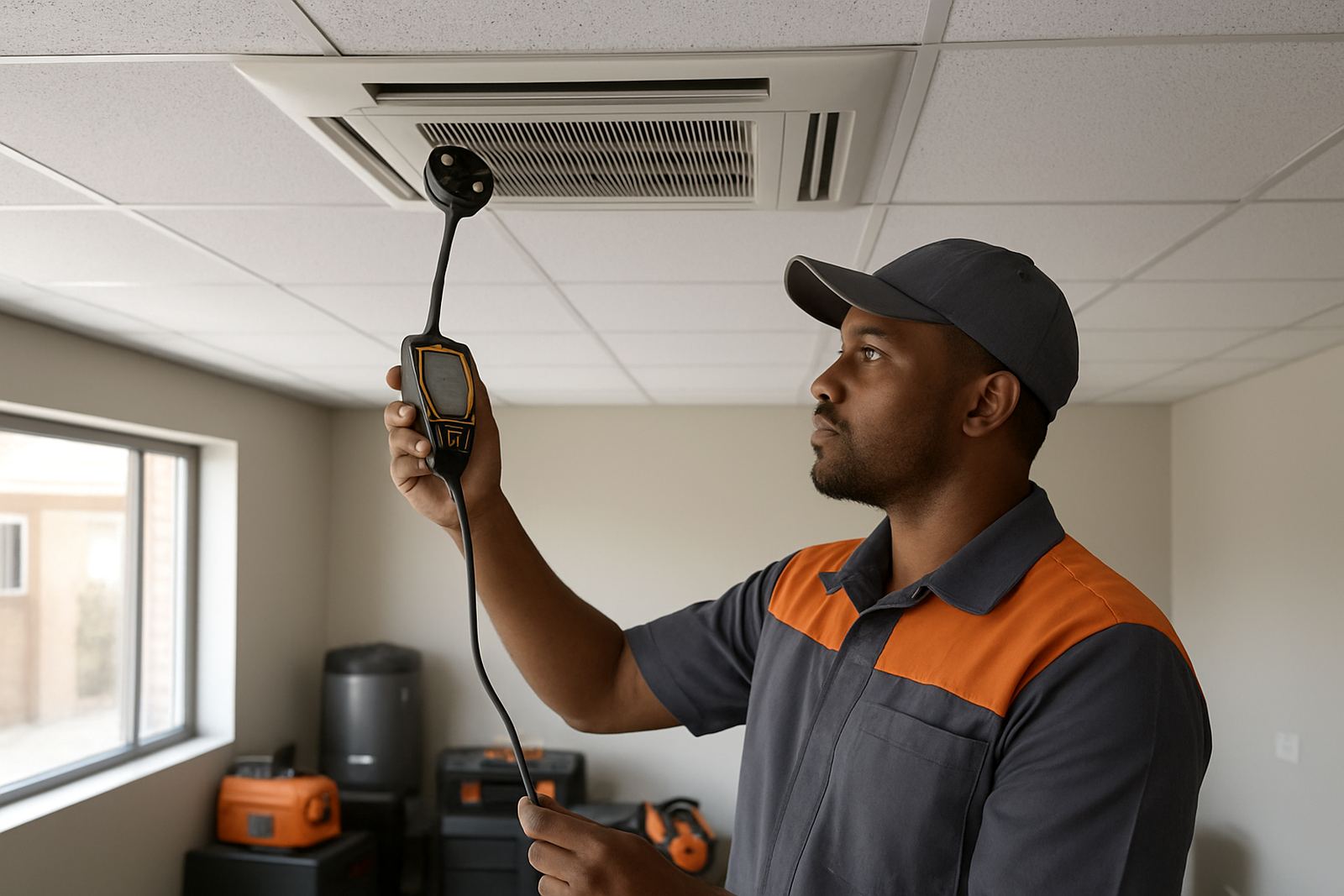
How Often Should Equipment Be Serviced?
Recommended servicing frequency depends on dust, usage and site conditions. A small split unit in a clean office may run well on a 6 to 12 month interval, while a unit in a workshop, canteen, clinic or retail space may need attention every 3 to 6 months. Refrigeration systems, pumps and solar backup sets follow the same rule: the harder the equipment works, the sooner it should be checked.
In New Park, Kimberley and nearby areas like Roodepan, Galeshewe, Kuruman and Upington, we often see extra wear from fine dust, summer heat and power interruptions. If a site opens early, runs late, or never really gets a break, the service plan should be tighter. Waiting for a breakdown usually costs more than staying ahead of it.
What Changes the Service Interval?
Three things matter most. First is dust. Fine dust blocks filters, coats coils and pushes motors harder. Second is duty cycle. A unit running 12 hours a day needs more care than one used now and then. Third is location. Coastal humidity is not the main issue in Kimberley, but heat, dry air, windblown dust and load-shedding all put strain on systems.
We also look at the type of equipment and how critical it is to the business. A cold room that stores stock for sale or medicine needs tighter control than a backup unit used only during outages. Pump sets working on boreholes, irrigation or building supply lines need regular inspection because a small fault can become a water loss very quickly.
- High dust areas: shorten the interval
- Long operating hours: shorten the interval
- Frequent power cuts: check controls, batteries and start-up behaviour more often
- Critical stock or temperature control: do not stretch the schedule
A Practical Service Checklist For Site Owners
If you manage a site, you do not need to guess what a service should include. A proper check should cover the working parts, the electrical condition and the signs of wear. This helps you plan parts, labour and downtime before a failure forces the issue.
- Check and clean filters, coils and drain points
- Inspect fan motors, belts, bearings and electrical terminals
- Test operating pressures, temperatures and current draw
- Look for refrigerant leaks, oil staining or vibration
- Confirm thermostats, controls and safety devices are working
- Inspect insulation, pipe support and weather exposure
- Record the date, readings and any parts replaced
That record is useful later. If a unit starts using more power, icing up, or tripping after every outage, the service history shows whether the problem is new or part of a pattern.
Service Intervals By Equipment Type
Air-conditioning, refrigeration, ventilation, pumps and solar backup systems do not all age the same way. A simple rule is to match the interval to the consequence of failure. If the equipment keeps people comfortable, protects stock or keeps water moving, it should be checked before it becomes urgent.
Air-conditioning: office and home units usually need a clean and inspection every 6 months, with heavy-use sites often needing 3 to 4 month checks. Refrigeration and cold rooms: monthly visual checks by the site team, with formal servicing every 3 months is common for busy sites. Pumps: quarterly inspection works well for most sites, especially where dust, hard starts or low water conditions are part of the day. Solar backup systems: batteries, charge settings and changeover gear should be checked at least twice a year, and more often if the site runs through frequent outages.
In practice, we adjust this after seeing the installation. A well-kept system in New Park may go longer between visits than a unit in a dusty loading area in Upington. The condition of the site matters more than a generic calendar date.
Warning Signs That The Interval Is Too Long
Most equipment gives warning before it fails. The problem is that these signs are easy to ignore when business is busy. If you spot any of the signs below, the service interval is already too long and the system needs attention soon.
- Higher electricity use with no clear reason
- Warm air from an aircon unit that should be cooling
- Ice build-up, noisy fans or repeated tripping
- Short cycling, poor start-up or slow pull-down
- Water leaks, smell, rust or vibration
- Controls that keep resetting after outages
Do not wait for complete failure. Small signs usually mean the system is working harder than it should. That extra strain shortens motor life, affects temperatures and can damage parts that are still serviceable if acted on early.
How We Plan Preventative Maintenance In The Northern Cape
Our team at Modern Equipment works from New Park, Kimberley and supports sites across the Northern Cape. We set service intervals around actual use, not just the age of the equipment. That means we look at the load, the dust level, the hours run, the condition of the electrical supply and whether the system has to carry the site through load-shedding.
A practical maintenance plan usually includes a first inspection, a written service schedule and a list of parts that are likely to wear. For some customers, that means monthly checks on a critical cold room or pump station. For others, it means a half-yearly aircon clean and a yearly full system review. Either way, the goal is the same, keep the equipment working without unnecessary downtime.
If you are not sure where to start, begin with a site survey and a logbook. Note the equipment type, install date, daily operating hours and any past faults. That gives the service team a proper base to work from and helps avoid guesswork.
Simple Steps To Keep Your Schedule On Track
A good service plan works best when the site team also does small checks between visits. A few minutes each week can prevent bigger repairs later on. This is especially useful for schools, warehouses, shops and farms where no one wants surprise downtime during a busy day.
- Keep outdoor units clear of weeds, packaging and loose dust
- Do not block vents, grilles or drainage points
- Report noise, leaks or temperature drift early
- After power cuts, watch for unusual restarting behaviour
- Store service dates and fault notes in one place
If you work with refrigeration, pumps or backup power, a missed service can affect stock, water supply and trading hours at once. That is why the interval needs to suit the site, not just the equipment sheet. A sensible plan keeps costs steadier and the system easier to manage.